


The Indian Royal Legacy of Ayurveda and Opulence
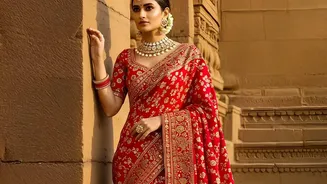
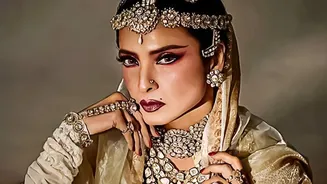
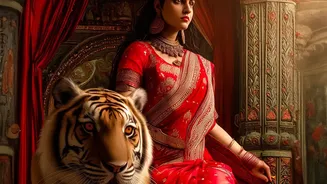
Long before 'clean beauty' became a buzzword, the royal courts of India were masters of botanical skincare. The beauty philosophies of queens and princesses were deeply rooted in Ayurveda, using natural, locally sourced ingredients to create potent and luxurious
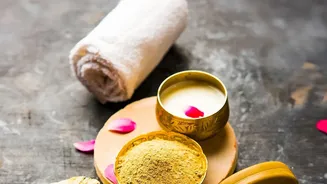
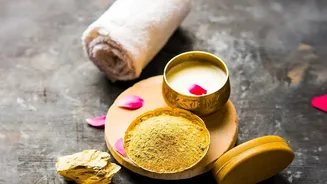
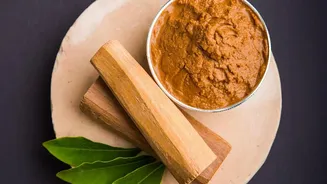
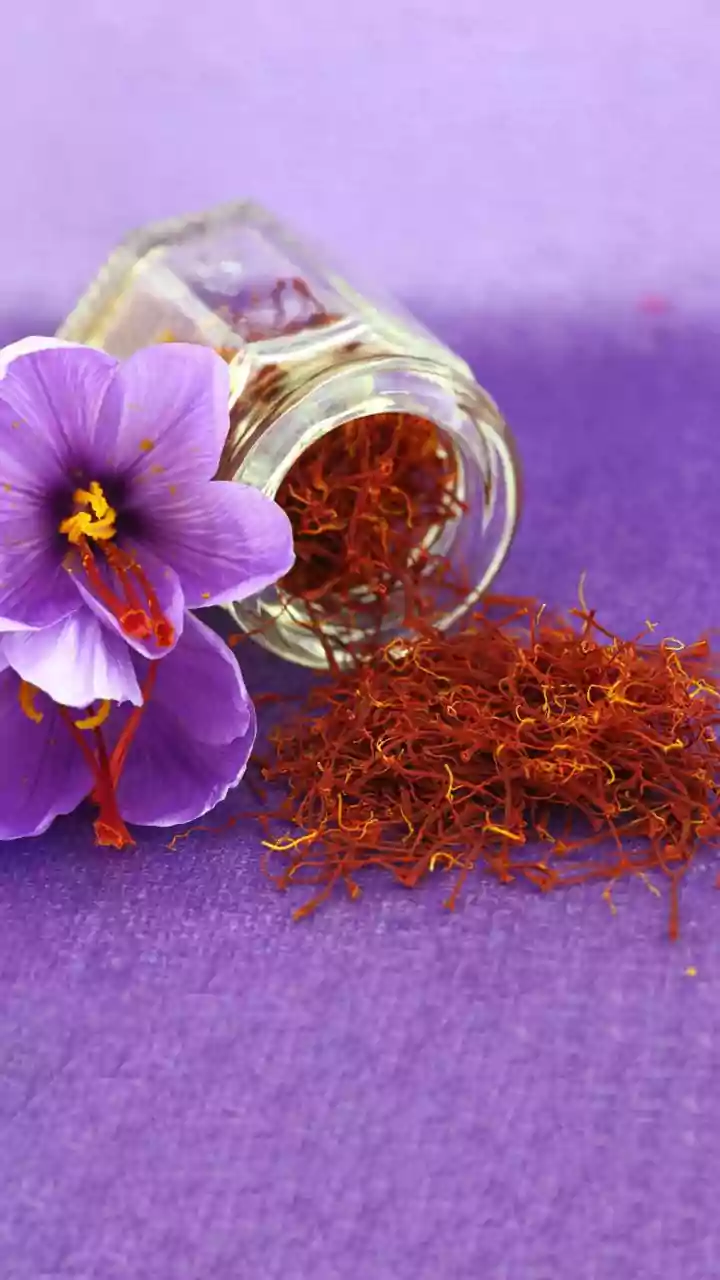
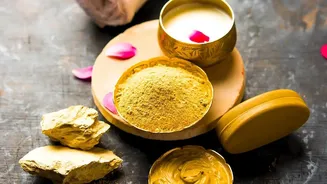
treatments. In the palaces of Rajasthan, Rajput queens like Rani Padmini used saffron-infused milk for baths to achieve a golden glow and combat the harsh desert climate. Rose water, popularized by Mughal queens like Nur Jahan, was an essential toner to soothe and hydrate the skin. The Mughals were also known for their elaborate bathing rituals, often using milk, rose petals, and fragrant oils. One of the most enduring royal Indian beauty rituals is the 'ubtan'. This is a paste made from chickpea flour, turmeric, sandalwood, and milk or rose water, used to exfoliate and brighten the skin before major events. This practice was not just for queens; even kings used ubtan, proving that skincare was a universal part of royal life.
From the Nile to Now: Cleopatra's Enduring Influence
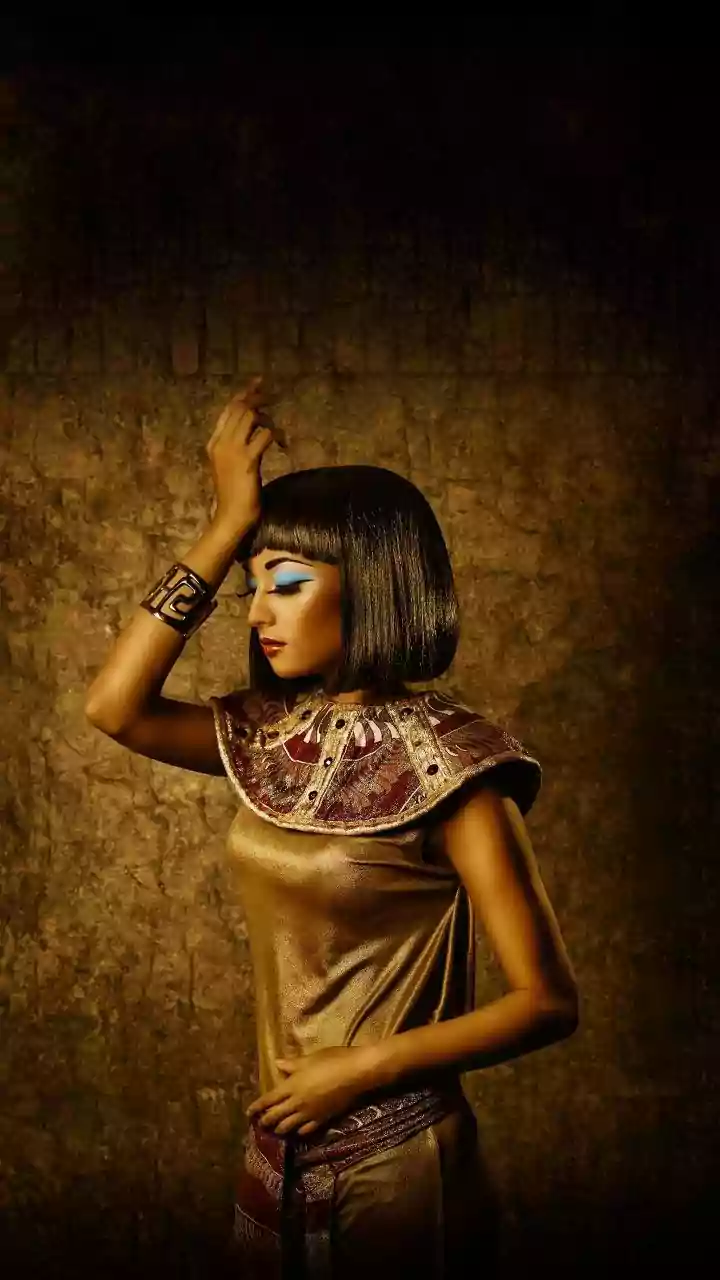
No discussion of royal beauty is complete without mentioning Cleopatra. The legendary Queen of Egypt was renowned for her beauty, which she maintained with a regimen that has fascinated historians for centuries. Her most famous ritual was bathing in milk and honey. The lactic acid in the milk acted as a gentle exfoliant, softening and smoothing her skin, a principle widely used in modern chemical peels. She also used sea salt scrubs for exfoliation and olive oil as a moisturizer. Kohl eyeliner, made from crushed minerals, created her iconic, dramatic almond-shaped eyes—a look that remains a staple of makeup artistry today. While some of her alleged practices, like using crocodile dung in face masks, are best left in the past, her use of natural hair removal is seeing a major resurgence. The ancient practice of 'sugaring'—using a paste of sugar, water, and lemon—is believed to have been used by Cleopatra for smooth, hair-free skin and is now celebrated as a gentler alternative to waxing.
European Courts: From Pallor to Petals
Across European courts, beauty standards and practices evolved dramatically through the centuries. During the Middle Ages and the Renaissance, a high forehead and pale complexion were the ideal. Noblewomen would pluck their hairlines to achieve the desired look. Queen Elizabeth I of England famously used a cosmetic called 'Venetian ceruse'—a mixture of white lead and vinegar—to create her signature pale, mask-like complexion. While it was highly toxic, it demonstrated the lengths to which royalty would go to achieve a look of status, which associated paleness with wealth and a life lived indoors. The Victorian era saw a shift towards a more 'natural' look, though artifice was still key. Royal beauties like Empress Eugénie of France and Princess Alexandra of Denmark set the trends. Women used flower extracts and subtle rice powders to enhance their features without appearing heavily made up. Marie Antoinette, in the French court, had a more sophisticated routine, using products like gentle cleansers, serums derived from plant extracts, and rich night creams.
Ancient Rituals in the Modern World
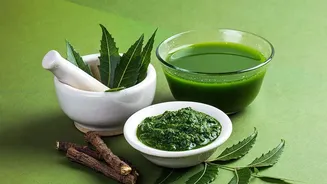
Today, the beauty industry is looking back to these royal traditions for inspiration. The emphasis on natural, potent ingredients from Indian royal traditions is reflected in the rise of Ayurvedic and 'clean' beauty brands that champion turmeric, sandalwood, saffron, and amla. The concept of a gentle, nourishing milk bath has been reborn in countless bath soaks and body washes containing lactic acid and milk proteins. Similarly, the royal love for fragrant oils has paved the way for the modern obsession with facial oils and hair serums, from jasmine and rose in India to almond oil used by Kashmiri royalty. These ancient practices were more than just beauty routines; they were moments of self-care and ritual. This holistic approach, which connects beauty with overall well-being, is now a cornerstone of the global wellness movement. What was once a luxury reserved for a queen is now an accessible form of self-care for everyone, proving that the pursuit of radiant skin and mindful rituals is truly timeless.