





The Three-Season Framework
Indian agriculture is traditionally divided into three main seasons, each dictated by the country's diverse, monsoon-driven climate. The two primary seasons are Kharif, aligned with the southwest monsoon, and Rabi, the post-monsoon winter season. Fitting
neatly between them is a shorter but crucial summer season known as Zaid. This three-pronged approach allows farmers to maximise land use throughout the year, contributing to food security and economic stability. Each season has its own unique characteristics, suitable crops, and regional dominance, creating a continuous cycle of sowing and harvesting.
Kharif: The Monsoon Crop
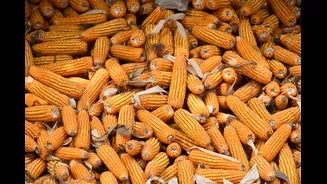
The Kharif season, often called the monsoon crop season, begins with the arrival of the southwest monsoon in June and concludes in October. Crops sown during this period are heavily dependent on rainfall, requiring hot and humid conditions to thrive. Sowing typically happens in June and July, with harvests from September to October. Key Kharif crops include staples that require significant water, such as rice (paddy), maize, cotton, soybean, and sugarcane. This season is particularly dominant in the eastern and southern parts of India, where monsoon rains are plentiful.
Rabi: The Winter Harvest
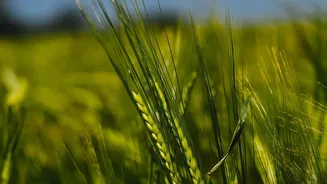
Following the retreat of the monsoon, the Rabi season begins. The word 'Rabi' is derived from Arabic for "spring," as its crops are harvested in the springtime. Sowing takes place in the cooler, drier months of October and November, with harvesting occurring between March and April. Unlike Kharif crops, Rabi crops require less water and thrive in cooler temperatures, often relying on irrigation and residual soil moisture. Major Rabi crops include wheat, barley, mustard, gram, and peas, which are fundamental to the food supply in northern and northwestern states like Punjab, Haryana, and Uttar Pradesh.
Zaid: The Summer Bridge
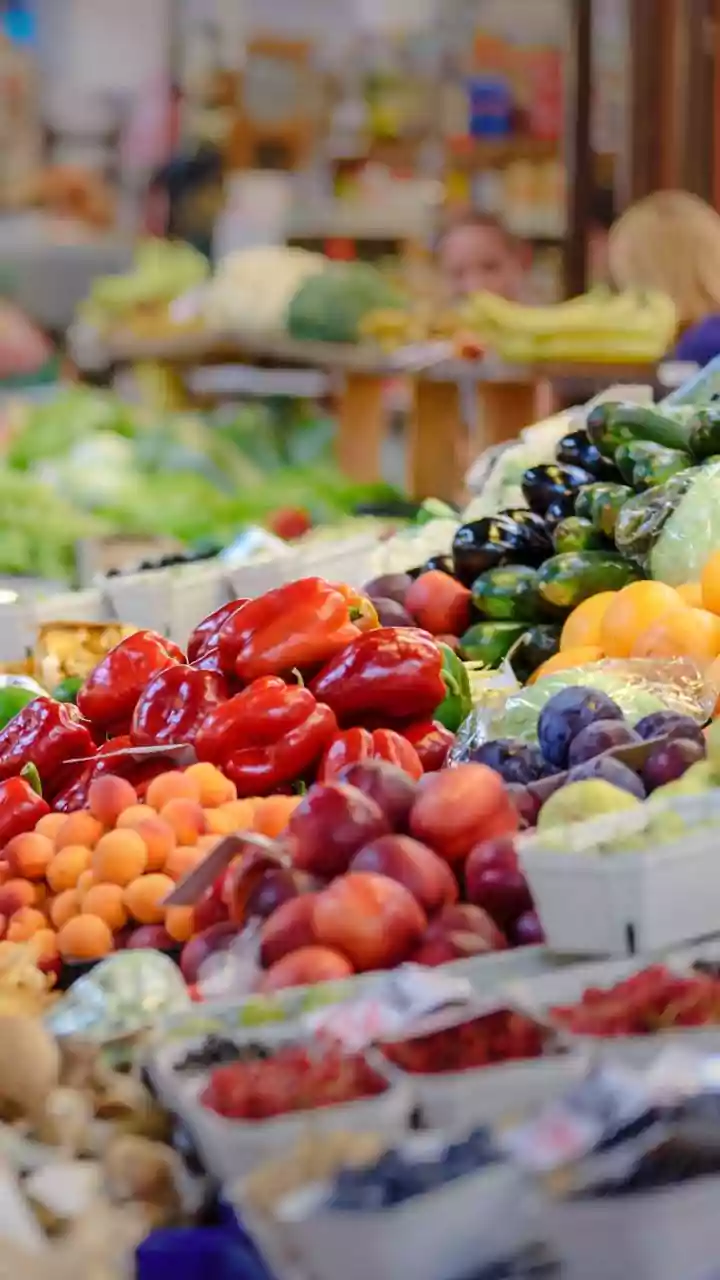
The Zaid season is a short, intermediate growing period that bridges the gap between the Rabi harvest and the Kharif sowing. Running from roughly March to June, it takes advantage of the hot, dry summer weather. Zaid crops are typically fast-growing, short-duration varieties that mature within 60 to 90 days and are cultivated using irrigation. This season is vital for producing fruits and vegetables like watermelon, muskmelon, cucumber, and pumpkin, as well as some pulses and fodder crops. Though smaller in scale than Kharif and Rabi, the Zaid season plays a significant role in providing additional income for farmers and ensuring a steady supply of fresh produce to markets during the summer months.
The Crucial Timing Between Seasons
The placement of the Zaid season is what makes India's agricultural calendar so efficient. It begins right after the Rabi harvest in March and ends just before the Kharif sowing starts with the monsoon in June. This precise timing allows farmers to cultivate a third crop on the same land, preventing the fields from lying fallow during the hot summer. This quick turnaround is not just about an extra harvest; it also has agronomic benefits. Growing certain Zaid crops, like moong (a pulse), helps replenish soil nutrients. Leguminous crops fix atmospheric nitrogen, improving soil fertility and preparing it for the demanding Kharif season that follows. In this way, the Zaid season acts as both an income generator and a natural soil conditioner, showcasing a smart, sustainable agricultural practice.