




A Policy Shift Opens the Skies
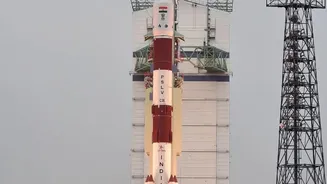
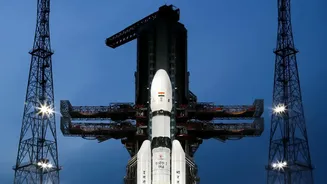
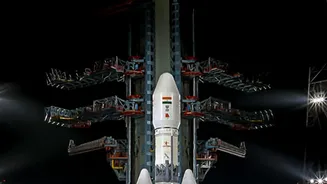
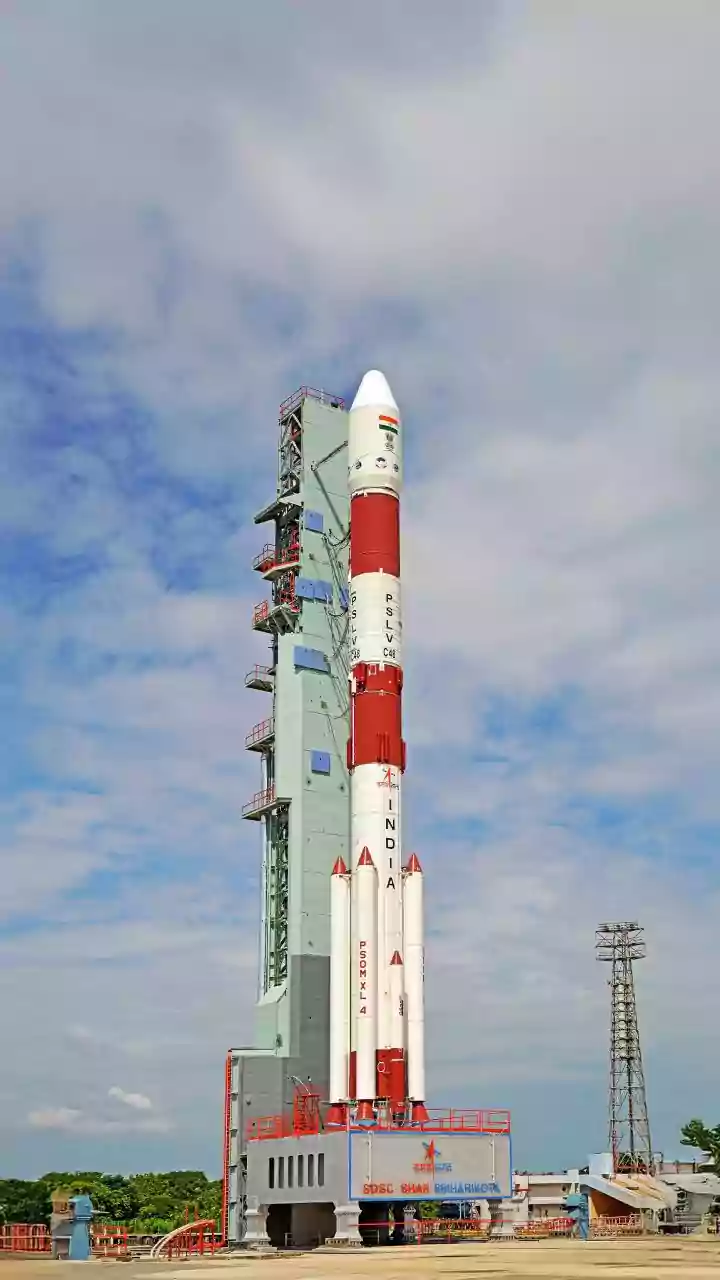
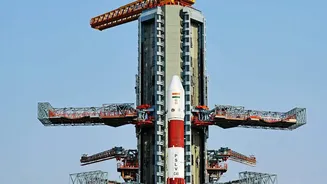
For decades, India's space journey was almost exclusively led by the Indian Space Research Organisation (ISRO). However, landmark reforms introduced in 2020 have opened the sector to private enterprise. The establishment of the Indian National Space Promotion
and Authorisation Centre (IN-SPACe) acts as a single-window agency, empowering private companies to participate in everything from satellite manufacturing to launch services. This policy shift is designed to transform India from a government-led space power into a global hub for commercial space activities, with the goal of expanding the nation's space economy from around $8.4 billion today to a projected $44 billion by 2033.
The Rise of the Space-Tech Startup
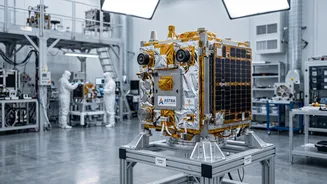
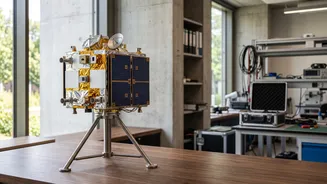
The result of this deregulation has been a boom in entrepreneurship. The number of space-tech startups in India has surged from just a handful to over 400. These companies are not just building rockets. They are creating a diverse ecosystem that includes satellite development, Earth observation solutions that aid agriculture and climate monitoring, and communication technologies. Companies like Skyroot Aerospace, which successfully launched a privately developed rocket, and AgniKul Cosmos, which is developing 3D-printed engines, showcase the innovation now possible. This startup surge is attracting significant investment and creating a competitive landscape that drives efficiency and technological advancement.
The New Jobs of the Space Economy
The expansion is creating a demand for a wide range of new roles, extending far beyond traditional aerospace engineering. While engineers remain crucial, the industry now desperately needs data scientists and AI specialists to analyse the vast amounts of information sent back by satellites. These experts help turn raw data into actionable insights for industries like urban planning and disaster management. Furthermore, the growing number of private companies has created a need for business-focused roles that were once rare in the sector. Space-tech firms are hiring bid managers, visual designers, and communicators to market their services globally. The increasing complexity of commercial contracts, intellectual property, and international law also means a rising demand for space lawyers and policy analysts to navigate the regulatory landscape.
Beyond Engineering: A New Skillset
Success in India's new space economy requires a multidisciplinary skill set. Technical professionals now need expertise in software, robotics, and automation. As missions become more complex, robotics specialists are needed for tasks like in-orbit servicing of satellites and the manufacturing of launch vehicles. On the business side, professionals with a knack for strategy, marketing, and finance are essential for helping startups scale and compete. The industry is also seeing a talent migration, where experienced scientists and engineers from government institutions are moving to the private sector, bringing invaluable expertise while finding new opportunities for rapid innovation and even equity in the companies they help build. This cross-pollination of talent is accelerating the entire ecosystem's growth.
Fuelling the Future Talent Pipeline
To sustain this growth, India is focusing on building a robust talent pipeline. Educational institutions are adapting their curricula to include specialisations in satellite technology, robotics, and AI for space systems. Government-supported initiatives and private company efforts are creating training programs and internships to provide hands-on experience. The goal is to cultivate a workforce that is not just technically proficient but also innovative and entrepreneurial. This focus on skill development is critical to ensuring that India can meet the demands of a $44 billion industry and integrate its companies into the global space value chain.