
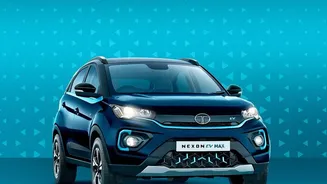
A Turning Point in the Numbers
For decades, the Indian car market ran on petrol. But in August 2026, the tide officially turned. According to data from the Federation of Automobile Dealers Associations (FADA), cars powered by alternative fuels—a category including electric vehicles
(EVs), compressed natural gas (CNG), and hybrids—accounted for 41.95% of all passenger vehicle sales. Petrol-only cars, long the default choice for buyers, slipped to a 40.85% market share. This might seem like a small margin, but its significance is massive. It represents the culmination of shifting consumer priorities, supportive government policies, and a wider availability of models that don't rely solely on traditional fossil fuels. Just a year prior, in August 2025, petrol cars held a dominant 46.37% share, showing just how rapidly the change has occurred.
CNG: The Silent Workhorse
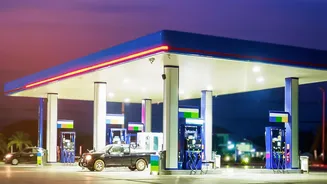
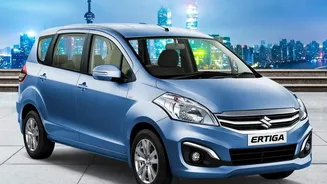
While the buzz often surrounds electric cars, the biggest driver of this change was the humble CNG vehicle. Accounting for over 25% of all passenger vehicle sales in August, CNG cars have become the go-to option for budget-conscious buyers grappling with high and volatile petrol prices. Automakers like Maruti Suzuki and Hyundai have successfully positioned their factory-fitted CNG models as reliable and economical alternatives. The appeal is simple: significantly lower running costs. This financial incentive, combined with an expanding network of CNG filling stations across not just metros but also Tier-2 and Tier-3 cities, has made CNG a practical and mainstream choice for a huge segment of the Indian population.
The Electric Vehicle Surge
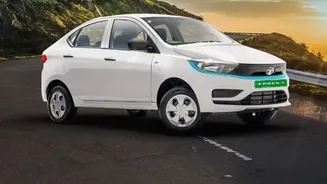
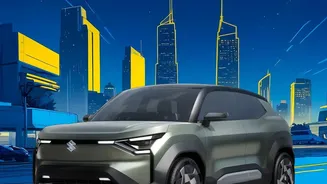
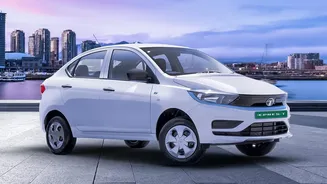
The electric vehicle segment, though smaller than CNG, provided the momentum for this historic crossover. EV sales have been growing exponentially, driven by a combination of factors. Government incentives under schemes like FAME have made them more affordable, while a slew of new launches from companies like Tata Motors, Mahindra & Mahindra, and new global players has given buyers more choice than ever. In August, EV sales jumped 52% year-on-year, capturing a 7.7% market share. Growing consumer confidence, improving battery technology, and an increasing awareness of environmental issues have all contributed to this surge. For many urban buyers, the initial hesitation around range anxiety is being replaced by the appeal of a quiet, clean, and low-maintenance driving experience.
Hybrids Find Their Sweet Spot
Rounding out the alternative-fuel trifecta are hybrid vehicles, which captured around 9% of the market in August. Hybrids, which combine a petrol engine with an electric motor, offer a perfect middle ground for consumers who want better fuel efficiency but aren't ready to commit to a fully electric lifestyle. Models from Toyota and Maruti Suzuki have proven popular, giving drivers a taste of electric power and lower fuel bills without the need for charging infrastructure. They also help carmakers meet increasingly strict Corporate Average Fuel Economy (CAFE) norms, which mandate better overall efficiency across their product lines, encouraging them to produce and sell more green vehicles.
Policy and Preference Driving the Future
This market shift is not accidental; it is the result of a deliberate policy push and changing consumer mindsets. Government regulations and incentives have consistently nudged both manufacturers and buyers towards cleaner alternatives. At the same time, Indian consumers have become more discerning. They are no longer just looking at the sticker price of a car but are calculating the total cost of ownership, where high petrol prices make alternatives like CNG and EVs far more attractive. Concerns about air pollution and a growing desire for modern technology are also playing a crucial role. The success of alternative fuels is particularly strong in rural markets, which have shown faster growth in demand compared to urban centres.