




Start with Your Breath and Posture
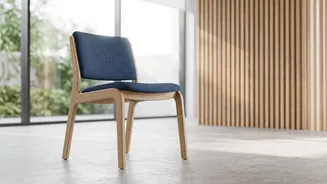
Before you even begin to stretch, take a moment to reset your foundation. Most desk-related pain stems from poor posture that becomes a habit. Sit with your feet flat on the floor, spine straight, and shoulders relaxed away from your ears. Your screen
should be at eye level to prevent your head from drifting forward. Now, take a deep breath. Inhale through your nose for four counts, feeling your belly expand, and exhale slowly through your mouth. Conscious breathing helps calm the nervous system and releases muscular tension before you even move, making your stretches more effective.
Seated Cat-Cow for Spinal Mobility
This classic yoga pose is fantastic for waking up the spine and relieving tension in both the neck and back. Sit on the edge of your chair with your feet firm on the ground. Place your hands on your knees. As you inhale, gently arch your back, drawing your shoulders back and looking up toward the ceiling (this is Cow Pose). As you exhale, round your spine, tucking your chin to your chest and letting your shoulders and head fall forward (this is Cat Pose). Flow between these two movements for five to ten breaths, moving with your own breathing rhythm to create a gentle, undulating motion through the spine.
Gentle Neck Tilts and Rotations
This series targets the sides of your neck and trapezius muscles, where we hold a lot of stress. While sitting tall, slowly lower your right ear toward your right shoulder. Do not force it; just let gravity do the work. Hold for 15 to 30 seconds, breathing deeply. You can gently place your right hand on your head for a slightly deeper stretch, but avoid pulling. Return to the center and repeat on the left side. Afterwards, slowly turn your head to look over your right shoulder, hold, and then repeat on the left. These simple movements help restore the neck's range of motion.
Eagle Arms for Shoulder and Upper Back
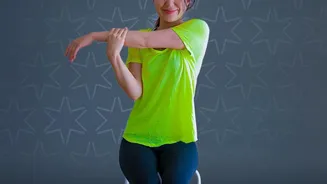
Neck pain is often linked to tightness in the shoulders and upper back. The Eagle Arms stretch is a powerful way to release this area. Extend your arms straight out in front of you. Cross your right arm over your left, then bend your elbows. You can either bring the backs of your hands to touch or, if you have the flexibility, wrap your right hand around to press your palms together. Lift your elbows while dropping your shoulders away from your ears. You should feel a deep stretch between your shoulder blades. Hold for three deep breaths, then unwind and repeat with the left arm on top.
The Counter-Pose: Chin Tucks
The modern phenomenon known as 'tech neck' is caused by leaning forward to look at screens, which strains the neck muscles. The chin tuck is the perfect antidote. Sit up straight and look directly ahead. Gently guide your chin backward, as if creating a double chin, without tilting your head up or down. You should feel a stretch at the back of your neck. This exercise strengthens the deep cervical flexors, the muscles that help stabilize your head and reverse the effects of forward-head posture. Hold for five seconds and repeat five to ten times throughout the day to retrain your muscles.
Shoulder Shrugs and Rolls
This is perhaps the simplest and most intuitive stretch, but it's incredibly effective for releasing tension that creeps up from the shoulders into the neck. On an inhale, lift your shoulders up toward your ears, squeezing them as tight as you can. Hold for a moment, then exhale with a sigh, letting them drop completely. Repeat this three to five times. Afterwards, gently roll your shoulders backwards in a circular motion for five repetitions, then reverse the direction and roll them forwards. This simple act brings blood flow to the area and breaks up stiffness.