








What Exactly is a Plant Swap?
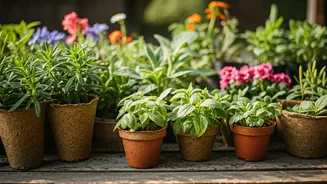
Imagine a pop-up market where the only currency is plants. A plant swap is a community event where fellow gardening enthusiasts gather to trade plants, cuttings, seeds, and even accessories like pots and tools. It’s a simple, brilliant concept: you bring
a healthy plant or cutting you’re willing to part with, and you leave with something new and exciting for your collection. These events are often held on weekends in community halls, local parks, or even cafes, creating a vibrant, social atmosphere for plant lovers of all experience levels.
The Benefits of Swapping
The most obvious perk is diversifying your indoor jungle for free. You can acquire rare or interesting plants without spending a single rupee. But the real value lies beyond the transaction. Swaps are a fantastic way to connect with a community of people who share your passion. You’ll get expert advice from seasoned gardeners, learn about new species, and make friends. It’s also an incredibly sustainable hobby. Instead of letting an overgrown plant go to waste or tossing out extra seeds, you’re giving them a new home and reducing consumption. Plus, you get the story behind each new plant you take home.
How to Prepare for Your First Swap
Preparation is key to a good experience for both you and your fellow swappers. Start by choosing what you want to trade. This could be a fully rooted plant you have duplicates of, healthy cuttings from a larger plant (like a Pothos or Philodendron), or packets of seeds you’ve saved. The golden rule is to only bring healthy, pest-free items. Inspect your offerings carefully for any signs of mealybugs, spider mites, or fungus. It’s good practice to label your plants or cuttings clearly with their name and any basic care instructions. This helps the new owner give your plant the best possible start in its new home.
Plant Swap Etiquette
Like any social gathering, plant swaps have a few unwritten rules. First, be fair. Don't expect to trade a small, common succulent cutting for a large, rare Monstera. Most swaps operate on a principle of similar value. Second, be polite. Ask before you touch someone else's plants and engage in friendly conversation. The goal is community, not just commerce. Arrive on time, as the best plants are often claimed early. And don't be shy! If you’re a beginner with nothing to trade yet, many swaps are happy for you to come, learn, and sometimes even take home a freebie cutting from a generous swapper looking to share the love.
Finding a Swap Near You
These pop-ups are grassroots events, so you’re most likely to find them through social media. Search on Instagram and Facebook for terms like “plant swap Mumbai,” “Delhi garden group,” or “Bangalore plant exchange.” Local gardening clubs, neighbourhood community groups, and even some plant-centric cafes and nurseries host these events. Following local plant influencers or stores on social media is another great way to stay in the loop. Once you find one, mark your calendar and get ready to grow your collection and your community.