




The Railway: Your Ticket to the Jungle
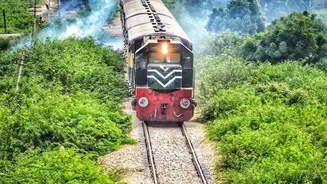
While there isn't a single, official 'Tiger Circuit Pass', the Indian Railways network itself is the key. Its vast connectivity and budget-friendly fares allow travellers to create their own flexible itineraries, hopping between the major gateways to India’s
premier tiger country. Major junctions like Jabalpur, Nagpur, and Katni serve as the main hubs from which you can access several national parks. Planning a trip involves booking individual train tickets through the IRCTC website or app, which is a straightforward process. This DIY approach gives you complete control over your schedule and budget, making it ideal for the independent traveller. In the past, IRCTC has offered special tourist trains like the 'Tiger Express', but these are typically all-inclusive packages and not the budget-focused pass suggested. More recently, IRCTC has partnered with the Maharashtra Forest Department to create integrated packages for reserves like Tadoba and Pench, which include train tickets, accommodation, and safari permits. However, the true backpacker route relies on using the regular, extensive train system.
The Tiger Corridor: Key Reserves by Rail
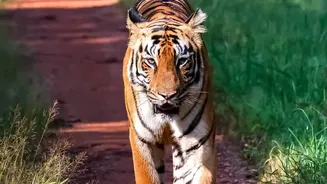
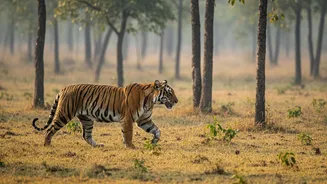
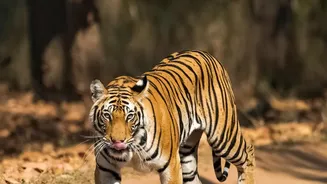
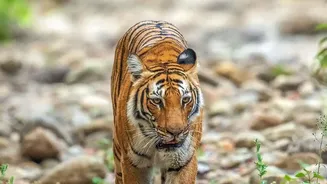
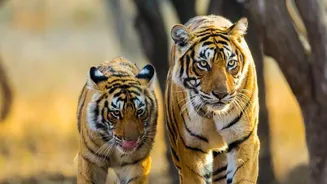
Central India, particularly Madhya Pradesh and parts of Maharashtra, is home to a high density of tigers. Several key reserves are remarkably well-connected by train. For Kanha National Park, the nearest major railheads are Jabalpur (about 4 hours by road) and Gondia (about 3 hours by road). Bandhavgarh National Park, famous for its high tiger density, is best accessed from Umaria (35 km away) or Katni (100 km away), both of which have good train connectivity. Pench National Park, straddling both states, is conveniently reached from Nagpur (about 3 hours by road) or Jabalpur (about 4 hours by road). For Tadoba Andhari Tiger Reserve in Maharashtra, the closest and most convenient station is Chandrapur, just 45 km from the park. These stations are serviced by numerous trains from major cities across India, making it easy to build a multi-park journey.
Planning Your Solo Itinerary
The best time for tiger sightings is during the hotter months from March to June, when animals gather around water bodies. However, the post-monsoon and winter season (October to February) offers lusher landscapes and more pleasant weather. A typical backpacker circuit could start from Delhi or Mumbai. For instance, an overnight train to Jabalpur provides access to both Kanha and Bandhavgarh. After exploring these parks, you can take another train from Jabalpur or a connecting station south to Nagpur, which is the gateway to Pench and Tadoba. This north-to-south route allows you to experience four of the country's top tiger habitats in a single, cost-effective trip. Booking trains a few weeks in advance is advisable, especially for popular routes and during holiday seasons. Sleeper class or 3AC coaches offer a comfortable and quintessentially Indian travel experience at a fraction of the cost of flights.
From Station to Safari: The Last Mile
Once you arrive at the nearest railway station, the final leg of the journey to the national park requires local transport. From stations like Umaria, Katni, Jabalpur, Nagpur, and Chandrapur, you can find shared jeeps, private taxis, and local buses heading towards the park gates. Taxis offer the most convenience but are also the most expensive. For a solo backpacker, sharing a cab with other travellers heading to the same park is a great way to cut costs. Many budget lodges and guesthouses are clustered around the main entry gates of the parks, such as Tala for Bandhavgarh or Khatia for Kanha. It's wise to pre-book your first night's accommodation and arrange for a pickup, especially if your train arrives late at night.
Tips for the Solo Backpacker
Travelling solo in India's wildlife circuit is a rewarding experience, and the infrastructure is quite accommodating for individual explorers. To manage costs, try to join a group for your jeep safaris. A safari jeep accommodates up to six people, and by booking a single seat, you share the cost of the vehicle and permit. This can often be arranged through your guesthouse or at the booking office at the park gate. Always book your safaris as far in advance as possible, as they sell out quickly. Carry cash, as ATMs can be scarce in these remote areas. Pack neutral-coloured clothing to blend in with the environment, along with essentials like a hat, sunscreen, binoculars, and a good camera. Most importantly, stay aware of your surroundings and trust your instincts, as you would on any solo journey.