


Why Make Oats Dosa?
Before we dive into the recipe, let’s talk about why this dish deserves a spot in your weekly meal plan. The primary advantage is speed. Unlike traditional rice and lentil dosas that require hours of soaking and fermenting, an instant oats dosa can be
ready from scratch in under 30 minutes. This makes it a perfect solution for busy mornings or a quick weeknight dinner. Furthermore, oats are a fantastic source of dietary fibre and protein, known for keeping you full longer and aiding in weight management. By swapping out some of the rice for oats, you’re creating a more nutrient-dense meal that is both light on the stomach and good for your heart.
Gathering Your Core Ingredients
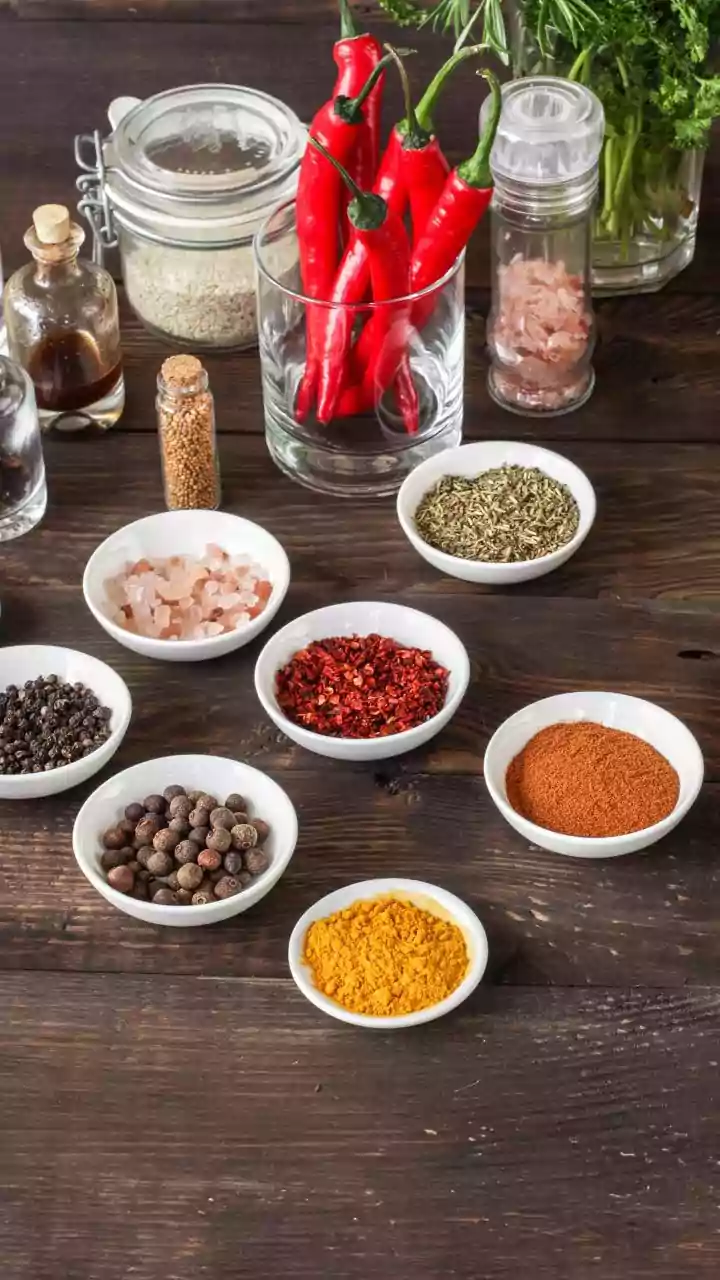
A great dosa starts with the right ingredients. The magic of this recipe lies in the combination of flours that create its signature crispy, lacy texture. Here’s what you’ll need: Oats: 1 cup (Rolled oats or quick-cooking oats work well). Rice Flour: 1/2 cup (This is essential for crispiness). Semolina (Rava/Sooji): 1/4 cup (Fine semolina is preferred for a better texture). Yogurt (Curd): 1/2 cup (Slightly sour curd adds a lovely flavour). Water: Approximately 2 to 2.5 cups (The amount can vary, so add it gradually). For Flavour and Texture: 1 medium onion (finely chopped), 1-2 green chillies (finely chopped), 1 inch of ginger (grated), a handful of fresh coriander leaves (chopped), 1 teaspoon of cumin seeds, and salt to taste. A pinch of asafoetida (hing) is optional but recommended.
Step 1: Preparing the Batter
The heart of the oats dosa is its thin, free-flowing batter. First, take your oats and grind them into a fine powder using a blender or mixer grinder. Transfer this oat flour to a large mixing bowl. To the bowl, add the rice flour, semolina, and salt. Whisk these dry ingredients together to ensure they are well combined. Now, add the yogurt and about one cup of water. Whisk everything together to form a smooth, lump-free paste. At this stage, the batter will be quite thick. Gradually add the remaining water while whisking continuously. The final consistency should be very thin and watery, similar to that of buttermilk or traditional rava dosa batter. Finally, stir in the chopped onions, green chillies, grated ginger, coriander leaves, and cumin seeds. Cover the bowl and let the batter rest for 15-20 minutes. This resting period is crucial as it allows the semolina to absorb water and swell, which contributes to the final texture.
Step 2: Cooking the Perfect Dosa
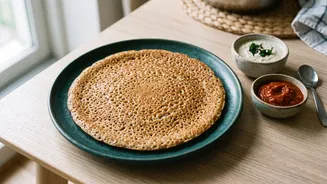
Cooking this dosa requires a hot surface and a bit of technique. Heat a non-stick tawa or a well-seasoned cast-iron skillet over medium-high heat. To check if it’s hot enough, sprinkle a few drops of water; they should sizzle and evaporate immediately. If using, you can lightly grease the tawa with a few drops of oil. Before making each dosa, give the batter a good stir, as the flours tend to settle at the bottom. Take a ladleful of the thin batter and, starting from the edges, pour it in a circular motion towards the centre, filling in any large gaps. The batter should be poured from a slight height to create the desired lacy, web-like pattern. Don't try to spread it with the ladle. Drizzle about a teaspoon of oil or ghee around the edges and on top of the dosa. Cook on medium-high heat for 2-3 minutes, or until the bottom turns golden brown and the edges start to lift from the pan. This type of dosa is thin enough that it usually doesn’t need to be flipped. Once it’s crisp, simply fold it in half and serve hot.
Tips for Success and Variations
To ensure your oats dosas turn out perfectly every time, keep these tips in mind. If your dosa is not becoming crispy, your batter is likely too thick. Add a little more water to thin it out. Conversely, if the dosa is breaking apart, it might be too thin; a tablespoon of rice flour can help fix it. Always make sure your tawa is sufficiently hot before pouring the batter. For variations, you can add grated carrots, shredded cabbage, or spinach to the batter for an extra vegetable boost. A simple tempering (tadka) of mustard seeds, urad dal, and curry leaves sizzled in oil and added to the batter can elevate the flavour significantly.