





The Power of Greenery in a Dim Space
Plants do more than just sit there; they actively change the atmosphere of a room. The simple act of adding a living, green element can make a space feel more welcoming, calm, and vibrant. For rooms that don't get a flood of sunlight, the key is choosing
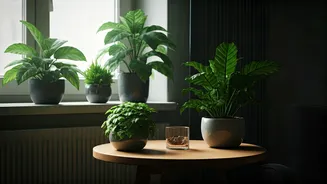
the right plants for the right spot. While all plants need some light to photosynthesise, many have adapted to thrive in the filtered light typical of indoor environments. These plants work by adding texture, colour, and a sense of vitality that artificial decor simply cannot replicate. The contrast of bright blooms or deep green leaves against a dim backdrop draws the eye and creates a focal point, making the entire room feel more dynamic and intentionally designed. It’s about strategically placing nature’s best decorators to work with the light you have.
Marigolds: A Pocketful of Sunshine
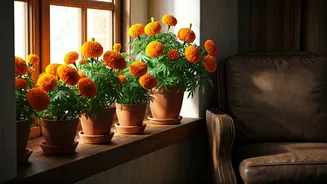
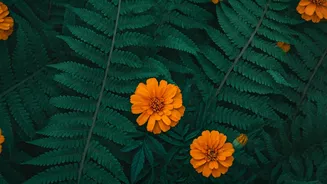
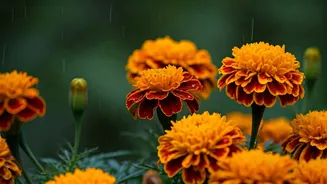
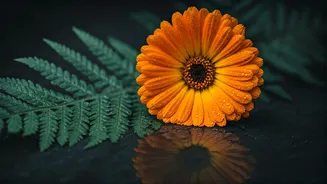
In India, the marigold, or 'genda', is more than just a flower; it’s a symbol of positivity and celebration. While botanically native to the Americas, these cheerful flowers have been a part of Indian culture for centuries. Now, let's be clear: marigolds are sun-worshippers that need at least six hours of light to truly flourish. So, they won't bloom in a dark corner. However, this doesn't mean they can't be part of your indoor landscape. The trick is to give them the best seat in the house—the sunniest windowsill or balcony spot you have. Compact varieties like French Marigolds ('Bonanza' or 'Janie' types) are perfect for pots. Their brilliant bursts of orange and yellow act like a splash of sunshine, injecting warmth and energy that can lift the mood of the entire room, even if they are only in one bright spot.
Caring for Your Indoor Marigolds
Growing marigolds in containers indoors is straightforward if you respect their love for sun and dislike for wet feet. Start with a pot that has excellent drainage. Marigolds are prone to root rot, so using a well-draining potting mix is crucial. Water them thoroughly, but only when the top inch or two of soil feels dry to the touch. Once established, they are fairly drought-tolerant. To get the most out of your blooms, regular 'deadheading' is essential. Simply pinching off the spent, faded flowers encourages the plant to redirect its energy into producing new ones, extending its flowering season and keeping the plant looking tidy and vibrant. Fertilise sparingly; too much can lead to lots of leaves but fewer flowers.
Native Ferns: The Lush Green Solution
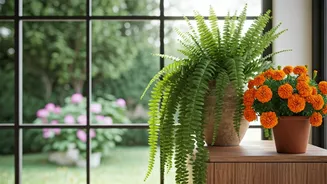
Where marigolds bring the fire, ferns bring the soothing, verdant calm. Ferns are the undisputed champions of lower-light environments, making them the perfect solution for those shadier corners where other plants fail. Many beautiful fern species are found across India. The delicate Southern Maidenhair Fern (Adiantum capillus-veneris), for instance, grows wild in the humid parts of the country and makes a stunning, albeit delicate, houseplant. For something more robust, the Boston Fern (Nephrolepis exaltata) is a classic choice, beloved in Indian homes for its lush, arching fronds that create an instant jungle feel. Its ability to thrive in indirect light makes it ideal for rooms with north or east-facing windows, bringing a sense of the forest floor indoors.
Creating the Perfect Fern Habitat
The secret to a happy indoor fern is recreating its natural shaded, humid habitat. Unlike marigolds, ferns must be kept out of direct sunlight, which can scorch their delicate fronds. They prefer consistently moist soil, so never let them dry out completely. However, be careful not to leave them waterlogged, as this can also lead to root issues. The biggest challenge for indoor ferns is often the dry air in our homes. You can easily boost humidity by placing the pot on a pebble-lined tray filled with water (ensuring the pot sits on the pebbles, not in the water), misting the leaves every few days, or grouping several plants together. Because they love moisture, ferns are a fantastic choice for brightening up bathrooms, which naturally provide the humidity they crave.