






The Search for Lost Stars
For most of India's urban population, the Milky Way is a picture in a science book, not a shimmering band across the night sky. Rapid urbanization and the unregulated boom of artificial lighting have created a perpetual twilight over cities, a phenomenon
known as light pollution. This constant glow not only severs our connection to the cosmos but also wastes energy and disrupts ecosystems. According to studies, nighttime brightness in major Indian cities can be 40 to 50 times higher than natural levels, making true darkness an endangered experience.
A Village Chooses Darkness
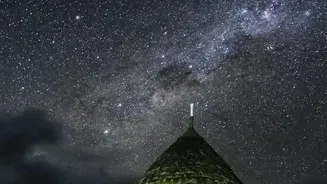
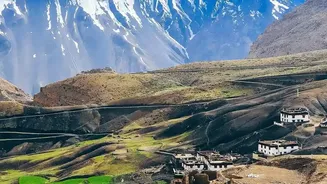
Against this bright backdrop, Udmal, a Kokna tribal village in Nashik's Surgana taluka, is making a different choice. Instead of seeing its lack of infrastructure as a disadvantage, the community is preserving its darkness as a precious resource. The Udmal Gram Sabha passed a resolution to conserve the village's dark skies, committing to responsible, downward-facing lighting that minimizes skyward glare. With the backing of the district administration, which has sanctioned funds for the project, Udmal is on track to become India's first certified Dark Sky Community by DarkSky International.
The Birth of an Astro-Destination
This initiative is about more than just switching off lights; it's about switching on a new kind of economy. Astrotourism is a growing global trend, and Udmal is positioning itself at the forefront in India. The plan involves creating sustainable livelihood opportunities for the local tribal community through guided stargazing sessions, night-sky photography workshops, and educational programs. Campsites in the wider Nashik and Igatpuri region already attract visitors with promises of telescope viewings and constellation stories under clear skies, demonstrating a clear appetite for this unique blend of nature, science, and travel.
Maharashtra's Celestial Vision
Udmal is not an isolated case but a flagship for a broader vision. The Maharashtra government has identified 11 sites across the state for astrotourism development, including spots in Pench and Tadoba-Andhari Tiger Reserves, Lonar Crater Lake, and Bhandardara. This 'Dark Sky Policy' aims to protect areas with minimal light pollution and develop them into eco-tourism hubs. By promoting these destinations, the state hopes to offer a new kind of getaway that combines adventure with a profound sense of wonder, far from the glow of city life.
Experiencing the Cosmos, Responsibly
For travelers drawn to the allure of a star-filled sky, visiting a dark sky location is a transformative experience. On a clear, moonless night, the cosmos reveals itself in breathtaking detail. However, the core principle of this new tourism is conservation. Visitors are encouraged to be mindful of their own light sources, using red-light torches to preserve night vision and supporting local, community-run enterprises. The goal is to ensure that the darkness that makes these places special is preserved for generations of stargazers to come, proving that sometimes, the most valuable attraction is one that has been there all along.