




The Myth of the Imported Superfood
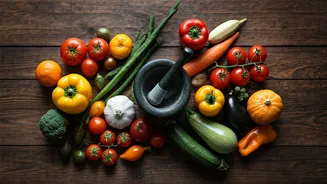
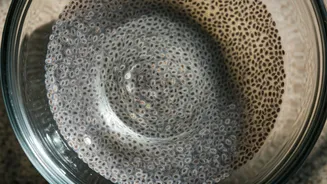
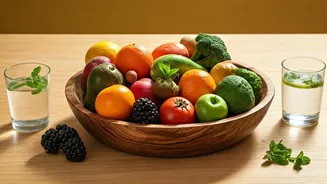
Walk into any high-end grocery store, and you'll see them: shelves stocked with kale, quinoa, chia seeds, and avocados, all marketed as the secret to good health. This global wellness trend has convinced many that to 'detox' or eat clean, we must embrace
these foreign ingredients. However, this often comes at a high cost—not just to our wallets, but to the environment. These foods travel thousands of miles, losing freshness and nutritional value along the way, leaving a significant carbon footprint. The real question is: why are we looking overseas when the solutions are growing in our own backyards?
Swap Kale for Moringa
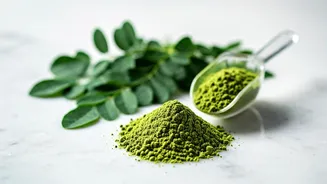
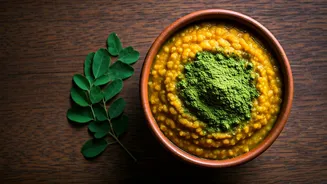
Kale became the poster child for green smoothies, but its Indian cousin, moringa (drumstick leaves), is arguably more potent. Often called the 'miracle tree', moringa leaves are a powerhouse of nutrients. They are packed with vitamins A and C, calcium, potassium, and protein. While kale is a robust leafy green, moringa has been a staple in South Indian cuisine for centuries for a reason. It's easily accessible, incredibly affordable, and grows abundantly in our climate. From dal and sambar to simple stir-fries, incorporating moringa is a simple, effective way to boost your nutritional intake without the expensive price tag.
Embrace Millets Over Quinoa
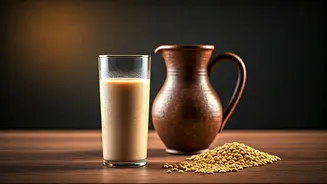
Quinoa, the ancient grain from the Andes, was hailed as a complete protein and a gluten-free wonder. But India has its own family of 'ancient grains': millets. Jowar (sorghum), bajra (pearl millet), and ragi (finger millet) are nutritional giants that we are only just beginning to rediscover. Rich in fibre, protein, and essential minerals, millets are also naturally gluten-free and have a low glycemic index, making them excellent for managing blood sugar. They are hardy crops that require little water, making them far more sustainable for our environment than water-intensive grains. From rotis and dosas to modern-day porridge and salads, millets are incredibly versatile and perfectly suited to the Indian body.
Rethink Healthy Fats: Ghee vs. Avocado
Avocado toast is an Instagram darling, celebrated for its 'healthy' monounsaturated fats. But before the avocado craze, Indian households had their own trusted sources of healthy fat: ghee and coconut. For generations, Ayurveda has revered pure desi ghee for its digestive properties and its ability to help the body absorb nutrients. It's rich in fat-soluble vitamins and butyric acid, which is vital for gut health. Similarly, cold-pressed coconut oil and fresh coconut are fantastic sources of medium-chain triglycerides (MCTs) that provide a quick source of energy. These traditional fats are not only nourishing but also align with our ancestral way of eating.
The Power of Amla and Turmeric
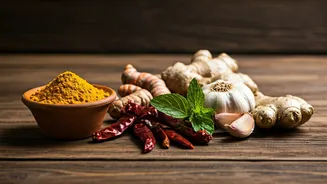
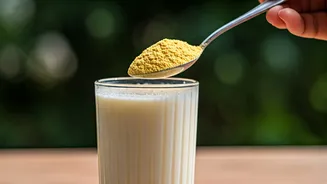
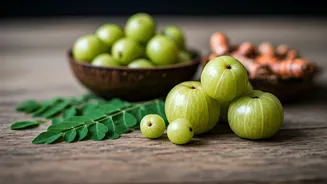
When we talk about cleansing and supporting the body's natural detoxification systems, we cannot ignore the arsenal of spices and fruits in our own kitchens. Forget expensive acai or goji berries; the humble amla (Indian gooseberry) is one of the most potent sources of Vitamin C on the planet, a powerful antioxidant that helps protect cells from damage. And then there is turmeric, with its active compound curcumin. Used for centuries in Indian cooking and medicine, haldi is celebrated for its anti-inflammatory properties. A simple glass of warm water with turmeric and a squeeze of lemon, or chewing on a piece of amla, can do more for your system than any fancy imported powder.