



More Teams, More Dreams
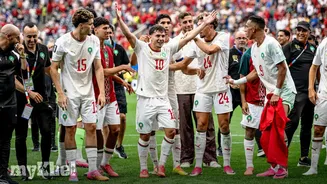
For the first time in history, the World Cup will feature 48 teams, a significant jump from the 32-team format that has been in place since 1998. This expansion is not just about numbers; it's about inclusivity. More qualification spots have been allocated
to every continent, giving nations that have historically struggled to qualify a genuine chance to compete on football's biggest stage. This means more new stories, more diverse playing styles, and the possibility of more giant-killing upsets as debutants and underdogs get their moment in the sun. For fans in many countries, it transforms the tournament from a distant spectacle into an event where their own national pride is on the line.
A Groundbreaking Three-Nation Host
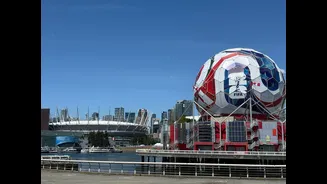
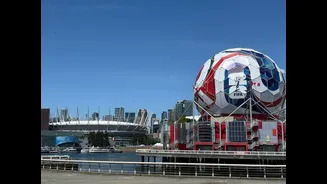
Another historic first is the decision to have three countries—the United States, Canada, and Mexico—co-host the tournament. The event will be spread across 16 vibrant cities, from Vancouver to Mexico City, creating a truly continental celebration of football. This tri-nation approach offers fans an unparalleled cultural experience, allowing them to travel between diverse cities and stadiums. Mexico will also make history by becoming the first country to host or co-host the men's World Cup three times. The sheer scale and geographical diversity of the venues promise a festival atmosphere that spans an entire continent.
An All-New Tournament Format
With more teams comes a new format designed to maximize drama. The 48 nations will be divided into 12 groups of four. The top two teams from each group will advance automatically, but they will be joined by the eight best third-placed teams. This creates a brand-new Round of 32, adding an extra knockout stage to the competition. The result is a total of 104 matches, a massive increase from the previous 64. For fans, this means more high-stakes, single-elimination games where every minute counts. The path to the final is now longer, with the champions needing to play eight matches instead of seven, placing a greater premium on squad depth and resilience.
More Action, Less Calculation
The revised group stage structure significantly reduces the likelihood of "dead rubber" matches, where teams have nothing left to play for. With the eight best third-place teams advancing, the fight to qualify will remain intense until the final whistle of the group stage. Teams will be incentivized to keep pushing for points and goals, knowing that even a narrow loss or a draw could be the difference between advancing and going home. This structure encourages attacking football and keeps more teams in contention for longer, ensuring sustained excitement and unpredictability throughout the tournament's opening weeks.
An Unprecedented Fan Experience
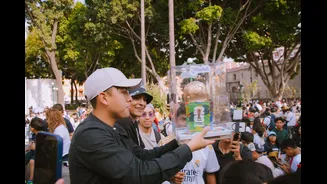
Beyond the stadiums, host cities are planning the most expansive series of fan events in World Cup history. FIFA Fan Festivals and other city-led events will be set up in iconic locations, from Kansas City's National WWI Museum and Memorial to the historic Los Angeles Memorial Coliseum. These free-to-enter zones will feature giant screens for match viewing, live music, and cultural activities, creating hubs for both local and international supporters. Whether you have a ticket or not, the tournament's atmosphere will be accessible across all 16 host cities, promising a more inclusive and widespread celebration than ever before.