

Why Is Everyone Talking About Protein?
The conversation around protein has intensified for a simple reason: a widespread deficiency. Studies indicate that around 73% of Indians consume less protein than the recommended daily amount, and a staggering 90% are unaware of their daily protein needs.
This isn't just a niche health issue; it's a national concern. In fact, the government is launching its annual nutrition campaign, 'Rashtriya Poshan Maah 2026', with a key focus on promoting protein-rich foods. The 'protein push' is a response to the realisation that traditional Indian diets, while rich in many nutrients, are often heavy on carbohydrates and fats, with protein taking a backseat. This can lead to persistent fatigue, poor muscle health, and weaker immunity, affecting everyone from busy young professionals to growing children.
How Much Protein Do You Actually Need?
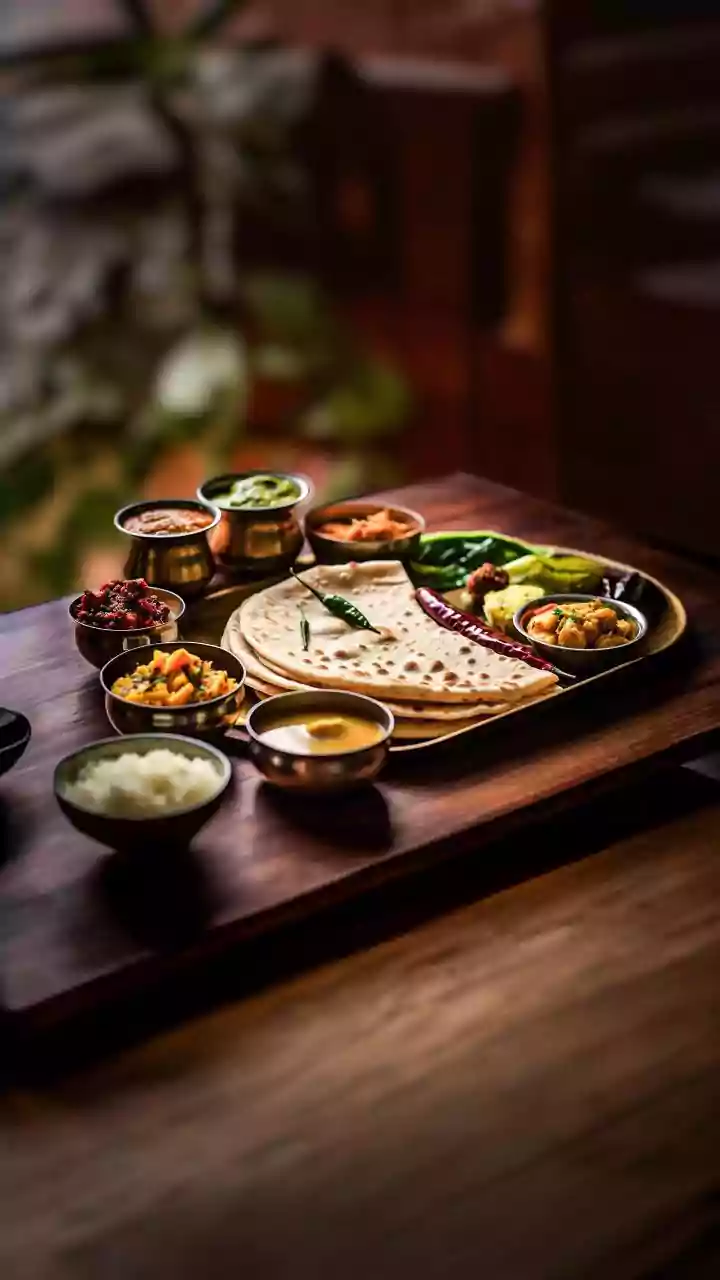
Forget complicated calculations and gym jargon. The Indian Council of Medical Research (ICMR) has straightforward guidelines. For a healthy but largely sedentary adult, the recommendation is 0.83 grams of protein per kilogram of body weight each day. This means a person weighing 65 kg needs about 54 grams of protein daily, while a 55 kg person needs around 46 grams. If you have a more active lifestyle, your needs will be slightly higher. This isn't a massive, unachievable number, but it does require mindful eating. The problem is that many typical Indian meals, centered around cereals like rice and wheat, don't automatically meet this target. A standard home-cooked vegetarian meal might only provide a fraction of the daily requirement, highlighting the gap between what we eat and what our bodies need.
Smart Vegetarian Protein Sources
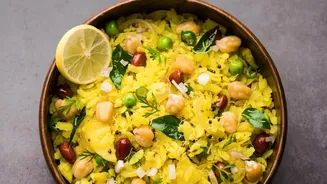
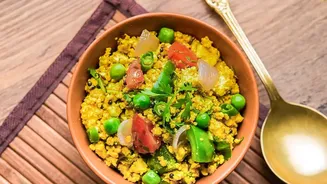
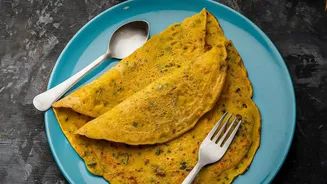
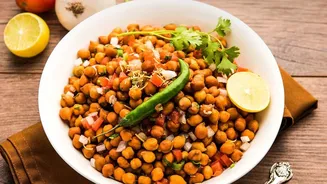
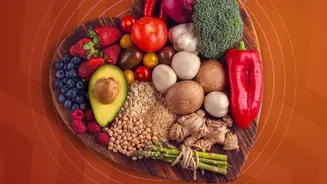
For a large vegetarian population, getting enough protein is entirely possible with smart food choices. The key is variety and combination. Traditional pairings like dal with rice or rajma with roti are scientifically sound because they combine legumes and grains to create a 'complete' protein profile. Beyond the basics, here are some excellent plant-based sources to include in your family's diet: Pulses and Legumes (dals, chana, rajma, and moong) are the foundation. Paneer and Tofu are versatile options that can be used in curries, scrambles (bhurji), or as grilled snacks. Soy products, like soy chunks and soy milk, are protein powerhouses. Dairy like milk, curd (dahi), and Greek yoghurt are easy ways to boost your intake, especially at breakfast or as a snack. Nuts and Seeds such as almonds, walnuts, and pumpkin seeds are great for snacking or adding to dishes.
Lean Animal-Based Protein Options
For those who eat non-vegetarian food, incorporating lean protein is simple. Eggs are one of the most affordable and high-quality sources of protein available and can be eaten for any meal. Chicken breast is a fantastic lean option, perfect for curries, kebabs, or salads. Fish and seafood are not only rich in protein but also provide essential omega-3 fatty acids. Just like with vegetarian diets, the focus should be on including a protein source in every main meal to distribute your intake throughout the day. A balanced diet can easily meet your daily requirements without relying solely on one type of food.
Common Protein Myths Debunked
Misinformation can often stand in the way of good nutrition. Let's clear up a few common myths. One is that protein is only for bodybuilders. The truth is, protein is essential for everyone, supporting everything from muscle repair to a healthy immune system and strong hair and nails. Another myth is that high protein intake harms healthy kidneys. For individuals with normal kidney function, studies have shown that a higher protein diet is safe. Finally, many believe that protein supplements are a necessity. While they can be a convenient option, the ICMR advises meeting your needs through natural foods first. A balanced diet containing pulses, dairy, eggs, or meat is sufficient for most people.