





A Monsoon Ritual for Wellness
Every year, as the skies open up, households across Kerala turn to Karkidaka Kanji. This is more than just a simple meal; it's a cornerstone of Karkidaka Chikitsa, the traditional Ayurvedic wellness regimen practiced during the monsoon month of Karkidakam
(mid-July to mid-August). According to Ayurveda, the monsoon is a time when the body's digestive fire, or 'Agni', is weak, and immunity is low, making one susceptible to illness. The damp, cool weather is believed to aggravate the 'Vata dosha', which can lead to issues like joint pain, fatigue, and digestive problems. Karkidaka Kanji is specifically designed to counteract these effects, serving as a restorative and preventive measure.
What Exactly is Karkidaka Kanji?
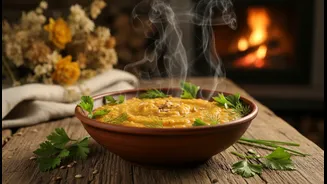
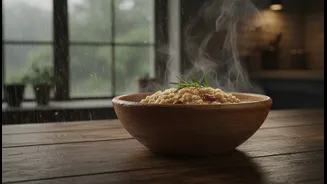
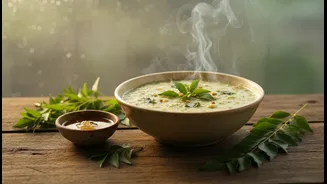
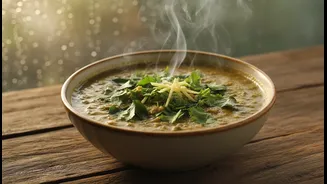
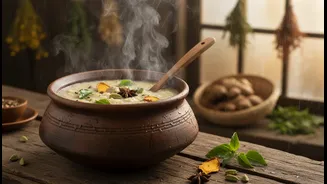
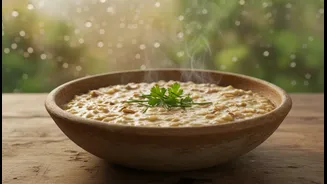
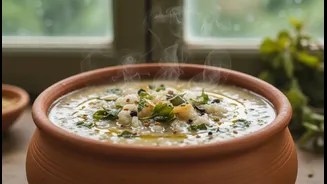
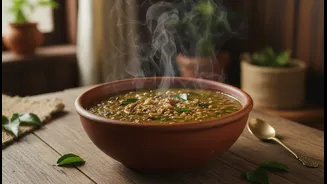
Often called 'Oushadha Kanji' (medicinal porridge), it is a carefully formulated gruel made from a base of Njavara rice, a unique medicinal variety native to Kerala. This easy-to-digest rice is then slow-cooked with an assortment of herbs and spices. The 'kanji' is a holistic preparation, blending rice, sometimes coconut milk, and a special herbal mixture known as an 'oushadhakoottu'. This isn't just a recipe but a philosophy where food becomes medicine ('Ahara as Aushadha'), designed to heal, strengthen, and bring the body back into balance during the challenging monsoon season.
The Power of a Herbal Blend
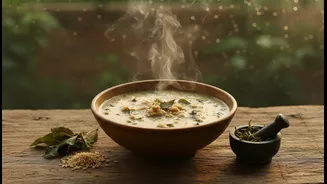
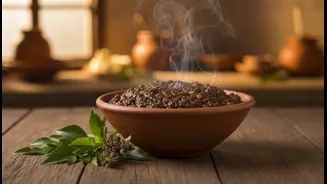
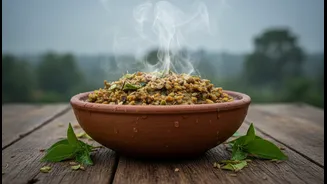
The magic of the porridge lies in its 'oushadhakoottu', a potent mix of medicinal herbs and spices. While recipes can vary between families and regions, common ingredients include dry ginger, cumin, black pepper, fenugreek, garlic, and shallots. These warming spices are intended to rekindle the sluggish digestive fire. The blend is often fortified with powerful Ayurvedic herbs like Dashamoola (a group of ten roots) and Dashapushpam (ten sacred flowers), which are known for their anti-inflammatory and immunity-boosting properties. This combination works to gently detoxify the body by helping to eliminate accumulated metabolic waste, known as 'Ama', without harsh cleansing.
A Tradition for Modern Times
In the past, families would forage for the required herbs in their own backyards. Today, life is faster, but the tradition endures. Many now rely on pre-packaged 'Karkidaka Kanji kits' available in Ayurvedic pharmacies and stores. These kits contain all the necessary ingredients, including the Njavara rice and the powdered herbal blend, making it convenient for busy households to uphold the practice. The porridge is typically consumed once a day, usually as a light dinner, for a period of 7, 14, or even 28 consecutive days to reap the maximum benefits. This modern adaptation ensures that the wisdom of this ancient ritual continues to nourish a new generation.
More Than a Meal, It's a Connection
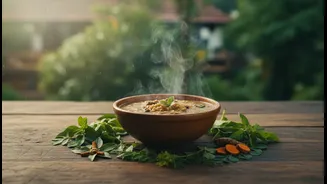
Ultimately, the return of Karkidaka Kanji each year is about more than just its health benefits. It is a sensory experience that connects people to the rhythm of the seasons. It evokes a feeling of warmth and comfort against the cool, rainy backdrop. The practice reinforces a deep-rooted cultural belief in preventive healthcare and living in harmony with nature. In many homes, its preparation and consumption are a shared family activity, a time to slow down and focus on well-being. It serves as a delicious, tangible link to ancestral wisdom, reminding everyone that sometimes the best solutions for modern stresses can be found in a simple, nourishing bowl of porridge.