

What Exactly Has Changed?
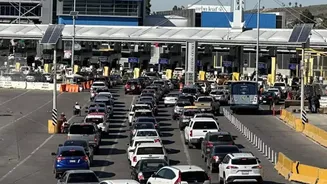
The long-standing open border policies with countries like Nepal and Bhutan have received a significant digital upgrade. While travel for Indian citizens has historically been visa-free, the process on the ground often involved manual paperwork, long queues,
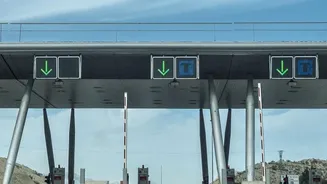
and separate procedures for individuals and their vehicles. Recent updates have focused on digitizing this experience. For instance, Nepal has introduced a new online system where travellers can pre-register their vehicles, pay fees, and get a QR code for entry, dramatically cutting down on wait times at customs. Similarly, Bhutan has streamlined its entry permit process through an online portal at the Phuentsholing border, allowing for a smoother passage for tourists who have pre-registered. These changes replace cumbersome, on-the-spot documentation with a more efficient digital-first approach, making cross-border travel less of a hassle.
Focus on Nepal and Bhutan
Currently, the most significant improvements apply to overland travel to Nepal and Bhutan, two of India's most popular neighbouring destinations for road trips. For Nepal, major border crossings like Sunauli (from Uttar Pradesh), Raxaul (from Bihar), and Panitanki (from West Bengal) are points where the new digital vehicle registration system promises a smoother experience. For Bhutan, the main land entry point at Phuentsholing, bordering Jaigaon in West Bengal, is the focus of the new streamlined permits. It is crucial to remember that while entry is visa-free, permits are still required. For Bhutan, this includes an Entry Permit and for those travelling beyond Paro and Thimphu, a separate 'route permit'. Also, a Sustainable Development Fee (SDF) of INR 1,200 per person per night is mandatory for Indian tourists.
Your Essential Document Checklist
Even with visa-free travel, carrying the correct identity documents is non-negotiable. For both Nepal and Bhutan, relying on just an Aadhaar card is not advisable, as it is not always accepted as a standalone travel document. The most reliable documents for Indian adults are a valid Indian Passport with at least six months of validity or a Voter ID Card issued by the Election Commission of India. For minors travelling without a passport, a birth certificate in English is required. For your vehicle, you'll need the original Registration Certificate (RC), a valid driving license, a Pollution Under Control (PUC) certificate, and comprehensive insurance. Nepal requires a temporary import permit called 'Bhansar', which can now be processed more easily through their new online portal. For Bhutan, private Indian vehicles need to pay a Green Tax and register on the Check Post Management System (CPMS) to travel beyond the border town.
A Look at Other Neighbours
The conversation around simplified border travel often includes Myanmar. However, the situation there is more complex. India announced plans in 2024 to fence the India-Myanmar border and scrap the Free Movement Regime (FMR), which previously allowed limited visa-free travel for tribal communities near the border. As of mid-2026, discussions are ongoing regarding unresolved sections of the border, but for the average tourist, crossing into Myanmar overland from India at posts like Moreh-Tamu requires a visa, and the process is not as simple as with Nepal or Bhutan. Travellers interested in a road journey to Myanmar should check the latest visa requirements and border status from official sources, as conditions can change. For now, the primary beneficiaries of the new simplified protocols remain those heading to the Himalayas in Nepal and Bhutan.