




More Than Just 'Roughage'
For years, fiber had a rather unglamorous reputation. It was the stuff of bran muffins and prune juice, associated more with 'regularity' than with vibrant health. But that image is getting a major overhaul. Today, nutritionists and wellness influencers
alike are championing fiber as a cornerstone of modern health. So, what is it, really? Fiber is a type of carbohydrate that the body can't digest. Instead of being broken down for energy, it passes through our system, playing a crucial role in our digestive health. There are two main types: soluble fiber, which dissolves in water to form a gel-like substance (found in oats, apples, and beans), and insoluble fiber, which adds bulk to stool (found in whole grains and vegetables). This dynamic duo does much more than just prevent constipation.
The Gut-Health Connection
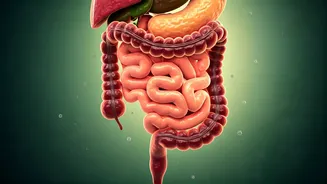
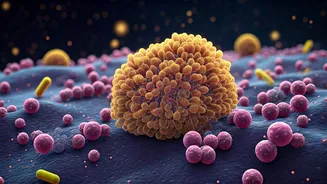
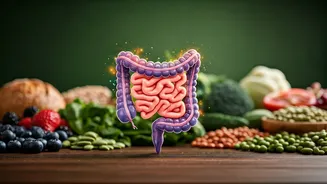
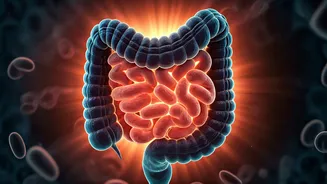
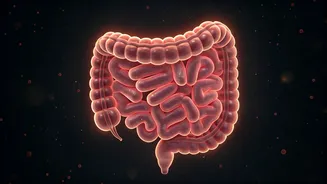
The real reason for fiber’s recent stardom is our growing understanding of the gut microbiome. Think of your gut as a bustling city populated by trillions of microorganisms, including bacteria, viruses, and fungi. A healthy, diverse microbiome is linked to nearly every aspect of our well-being, from a strong immune system and clear skin to stable moods and reduced risk of chronic diseases. And what do these beneficial gut bacteria love to eat? Fiber. Specifically, prebiotic fiber acts as food for our good gut bugs, helping them thrive and produce beneficial compounds called short-chain fatty acids (SCFAs). These SCFAs help strengthen the gut barrier, reduce inflammation, and even influence our brain health. In short, when you feed your gut fiber, you're not just feeding yourself—you're nourishing an entire ecosystem that keeps you healthy.
Trending Ways to Eat More Fiber
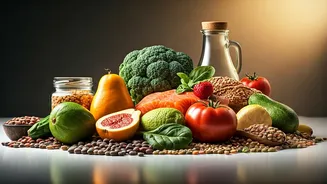
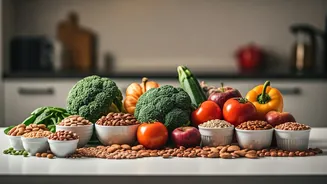
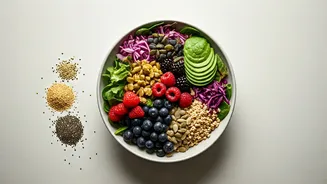
The internet is buzzing with creative ways to boost fiber intake. You’ve likely seen the 'internal shower' drink—a mix of water, chia seeds, and lemon juice—go viral. While dramatic fads can be a starting point, the most sustainable trend is a return to whole foods. The focus is on incorporating more legumes (like chickpeas and lentils), whole grains (like millets, oats, and quinoa), fruits with skin, vegetables (especially leafy greens), nuts, and seeds into every meal. Beyond whole foods, you'll also see high-fiber pastas made from lentils, prebiotic sodas designed to support gut health, and snack bars packed with seeds and nuts. The overarching theme is clear: people are actively seeking out foods that do more than just fill them up; they want foods that actively support their body’s internal systems.
Simple Swaps for a Fiber Boost
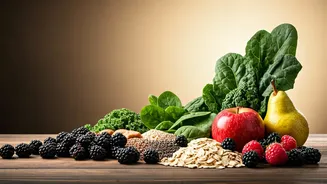
Jumping on the fiber bandwagon doesn't require a radical diet overhaul. Small, consistent changes can make a huge difference. Start by swapping refined grains for whole ones—think whole-wheat roti instead of white flour, or brown rice instead of white. Begin your day with a bowl of oatmeal topped with berries and a spoonful of flax seeds. Add a handful of spinach to your morning eggs or a cup of dal to your lunch. Make snacking count by reaching for an apple, a handful of almonds, or roasted chickpeas instead of packaged chips. When making soups, curries, or salads, toss in a can of rinsed beans or lentils for an easy and inexpensive boost of both fiber and protein. The key is to add, not just subtract, making your meals more colourful and nutrient-dense in the process.
What to Watch Out For
While increasing fiber is beneficial, it’s important to do it correctly. Suddenly adding a massive amount of fiber can lead to uncomfortable bloating, gas, and cramping as your digestive system struggles to adapt. The golden rule is to go slow. Introduce one new high-fiber food at a time and give your body a few days to adjust. Equally important is to increase your water intake. Fiber, especially soluble fiber, absorbs water, so you need to drink plenty of fluids to help it move smoothly through your digestive tract. Finally, while trends are fun, remember that supplements and viral 'hacks' are not a replacement for a balanced diet. If you have any pre-existing digestive issues like IBS or Crohn's disease, it’s essential to speak with a doctor or a registered dietitian before making significant changes to your diet.