






The Trend on Your Feed
Scroll through the reels of any popular Indian food vlogger, and you’re bound to see it. The camera pans past sizzling tikkas and fluffy kulchas, finally settling on a humble cart. A vendor expertly slices a dense, creamy block of kulfi, plates it on a fresh
green leaf, drizzles it with rose-scented falooda, and hands it over. This isn't just dessert; it's a visual story that’s captivating audiences nationwide. Vloggers are flocking to the Golden City, not for a molecular gastronomy creation, but for this simple, authentic experience. The rustic presentation and rich cultural backstory make for irresistible content, turning Amritsar's kulfi vendors into unlikely internet celebrities.
What is Amritsari Kulfi?
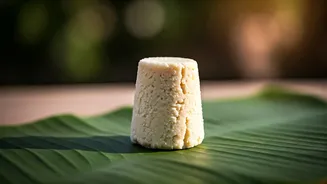
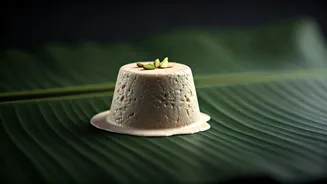
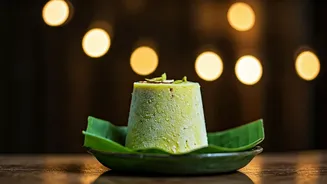
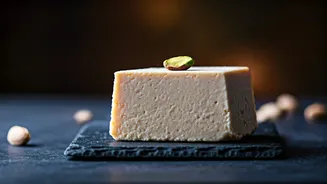
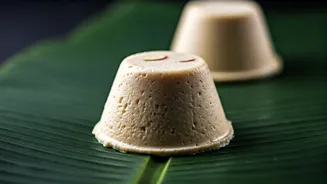
To understand the hype, you first have to understand the hero of the story. Kulfi is often called ‘traditional Indian ice cream’, but that’s not quite right. Unlike ice cream, which is whipped to incorporate air, kulfi is made by slowly simmering milk for hours until it reduces, thickens, and caramelises its own sugars. This dense, rich mixture is then flavoured with cardamom, saffron, and pistachios before being frozen in conical moulds called ‘matkas’. The result is a dessert that’s much creamier and denser than ice cream. It doesn’t melt as quickly, allowing you to savour its intense, milky flavour. The Amritsari version is particularly famous for its perfect texture and the generations-old recipes that vendors guard fiercely.
The Magic of the Green Leaf
The detail that truly elevates this trend is the serving vessel: the pattal, a small plate made from dried, pressed leaves (often from the Sal or Banyan tree). In an age of plastic cups and disposable cutlery, the leaf plate is a masterstroke of both nostalgia and sustainability. This isn't a new gimmick invented for Instagram; it's a return to tradition. For generations, street food across India was served on pattals. They are completely biodegradable, cost-effective, and add a subtle, earthy aroma to the food that a plastic bowl never could. For vloggers, the visual contrast of the pale, creamy kulfi against the vibrant or dried green leaf is cinematic gold. For consumers, it’s a tactile experience that connects them to a simpler, more eco-conscious time.
A Craving for Authenticity
So why is this old-school dessert having a moment now? The trend speaks to a larger cultural shift. After years of chasing global food trends—from freakshakes to foam-topped everything—there is a growing appetite for authenticity. Diners, especially younger ones, are increasingly looking for food that has a story and a sense of place. Amritsari kulfi on a leaf plate is the antithesis of a mass-produced, flavour-of-the-month dessert. It represents craftsmanship, heritage, and a direct link to the local culture. Eating it is not just about satisfying a sweet tooth; it’s about participating in a tradition that has been passed down through families and continues to thrive on the city's streets.
The Vlogger's Perfect Find
For a digital creator, the Amritsari kulfi trend is a perfect storm. It’s visually appealing, affordable, and accessible. It taps into the powerful narrative of 'discovering the real India'. The content practically makes itself: the theatre of the vendor slicing the kulfi, the beauty of the final product, and the genuine delight of the first bite. By highlighting these vendors, vloggers aren't just creating content; they are acting as digital archivists and promoters of local culinary heritage. They shine a spotlight on small businesses that might otherwise be overlooked, ensuring their legacy is appreciated by a new, digital-native generation.