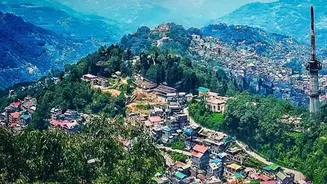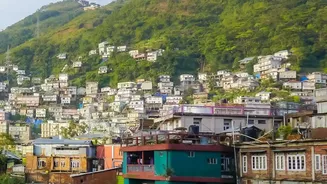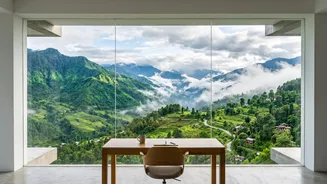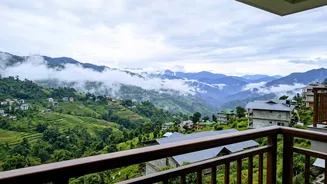




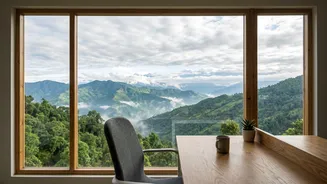
Why Gangtok in the Monsoon?
While many tourist destinations slow down during the monsoon, Gangtok transforms into a lush, tranquil paradise, making it an ideal setting for deep work and rejuvenation. The constant drizzle washes the landscape clean, reduces crowds, and creates a cosy,
reflective atmosphere. For remote workers, especially those in tech who require intense focus, this season offers a unique blend of peaceful solitude and inspiring natural beauty. The rhythmic sound of rain, coupled with verdant views and cool mountain air, provides a calming backdrop that can significantly boost productivity and well-being. Instead of the usual tourist hustle, the monsoon months allow for a slower, more authentic experience of Sikkimese life.
The Rise of the Himalayan Work Hub
The concept of a 'workation' has firmly taken root in India, and Sikkim is emerging as a prime destination. While dedicated, large-scale co-living buildings are still a nascent trend, the ecosystem for remote work is rapidly maturing. This includes everything from official government-backed projects to an informal network of homestays, hotels, and cafes that cater to the digital nomad. A key development is India's first 'Digital Nomad Village' in Yakten, a short drive from Gangtok, launched in collaboration with the local administration. This initiative provides a structured environment with high-speed internet, eco-friendly homestays, and co-working spaces, signalling a strong commitment to fostering a remote work culture in the region.
What to Look For in a Gangtok Workation Stay
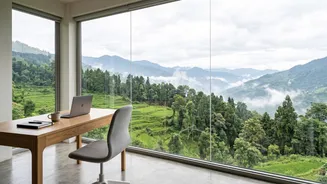
For a tech worker, a successful workation hinges on a few non-negotiable amenities. At the top of the list is reliable, high-speed internet with power backup—a feature many work-friendly hotels and homestays now explicitly offer. Look for accommodations that provide a dedicated workspace, whether it's a proper desk in the room or access to a quiet common area or cafe. Monthly or long-stay rental options, available on platforms like Airbnb, can offer the comforts of home, including a kitchen and laundry facilities, making an extended trip more affordable and convenient. Many hosts are now well-versed in the needs of remote workers and can provide a conducive environment for a productive stay.
Finding Your Community: Co-Living and Cafes
While solitude is a major draw, community remains important. This is where the 'co-living' aspect comes to life, even without formal hubs. Many remote workers find community in hostels with social common areas, such as Zostel or Tagalong 2.0, which often attract long-term guests. Alternatively, Gangtok’s vibrant cafe culture serves as a de facto co-working network. Places like Dzongri Cafe, Travel Cafe, and Cafe Rachna are known to be work-friendly, allowing patrons to spend hours working, powered by coffee and reliable Wi-Fi. For a more formal setup, dedicated spaces like Gangtok Co-Work offer a professional environment with mountain views. These spots become natural meeting points for digital nomads to connect, collaborate, and socialise.
Beyond the Desk: A Monsoon Itinerary
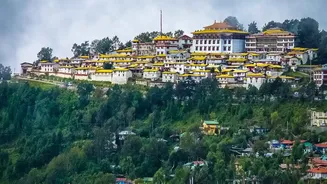
A workation isn't just about work. The monsoon season offers unique opportunities for exploration around Gangtok. With fewer tourists, you can experience iconic sites like Rumtek and Enchey Monasteries in a more serene state. Take a weekend trip to a nearby village like Yakten to experience a slower pace of life with home-cooked meals and forest walks. On a clear day after the rain, the views of the Kanchenjunga range are exceptionally crisp and breathtaking. Explore the pedestrian-only MG Marg for its shops and eateries, or take a short drive to see the cascading beauty of Banjhakri Falls, which is at its most powerful during the rains. These breaks are essential for recharging your creativity and making the most of your Himalayan escape.