




Why 'More Water' Can Be a Death Sentence
We often think of water as the elixir of life for plants, but there is always too much of a good thing. The real problem with waterlogging isn’t the water itself, but the lack of oxygen it causes. Plant roots, just like us, need to breathe. Soil is not
just dirt; it’s a complex ecosystem of solids, water, and air pockets. When soil becomes saturated, water fills up all these tiny air pockets, effectively suffocating the roots. This oxygen-deprived environment is the perfect breeding ground for fungi and bacteria that cause root rot. The roots, unable to breathe and under attack from pathogens, begin to decay. Once the root system is compromised, it can no longer absorb water or nutrients, and the plant above ground begins to die, even though it's sitting in a pool of water.
The Telltale Signs of a Drowning Plant
The cruel irony of overwatering is that its symptoms often mimic those of a thirsty plant, leading many well-intentioned gardeners to water it even more. Learning to spot the correct signs is the first step to saving your plant. Keep an eye out for: - **Yellowing Leaves:** Especially the lower leaves turning yellow and dropping off is a classic sign of overwatering. - **Wilting Despite Wet Soil:** If the plant looks droopy and sad but the soil is damp to the touch, its roots are likely damaged and can't absorb the water they need. - **Mushy Stems:** A soft, squishy base near the soil line is a clear indicator of stem and root rot. - **Stunted Growth:** New leaves may be small, or the plant may stop growing altogether. - **Foul Odour:** A distinct smell of decay or rot emanating from the soil means the roots are decomposing. - **Mould or Fungus:** Green or white mould on the surface of the soil points to excessive, prolonged moisture.
Your Best Defence: Smart Prevention
The easiest way to avoid a plant graveyard is to set up your green corner for success from the start. Prevention is far easier than a cure. First, ensure every pot has drainage holes. No exceptions. This is the single most important factor in preventing waterlogging. Second, use the right soil. A standard garden soil might be too dense. Opt for a well-draining potting mix, or create your own by adding amendments like perlite, cocopeat, or coarse sand to improve aeration. Third, master the art of watering. Ditch the rigid schedule and adopt the 'finger test.' Stick your finger about an inch into the soil. If it feels dry, it's time to water. If it's still moist, wait another day or two. During the monsoon or in humid conditions, your plants will need significantly less water.
Emergency Rescue for a Waterlogged Plant
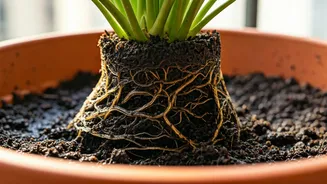
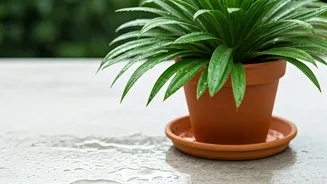
If you suspect a plant is already waterlogged, it’s time for emergency intervention. Don't panic; swift action can often save it. First, stop watering immediately and move the plant to a spot with better air circulation. If the pot is sitting in a saucer full of water, empty it. For a severe case, you’ll need to perform 'plant surgery.' Gently slide the plant out of its pot and examine the roots. Healthy roots are firm and white or light-coloured. Rotted roots will be black, brown, mushy, and may smell foul. Using a clean, sharp pair of scissors, carefully trim away all the rotted parts. Be thorough. After the trim, repot the plant in a clean pot with fresh, dry, well-draining potting mix. Do not water it for a few days to allow the remaining roots to heal and recover before you resume a more careful watering routine.