





The Rise of the Ghost Kitchen
Over the last decade, and especially since the pandemic, a new type of restaurant has quietly become a dominant force in urban centres. Known as cloud kitchens, ghost kitchens, or dark kitchens, these establishments have no dining rooms, no storefronts,
and no waiters. They are purely production hubs, designed exclusively for delivery. In India, the cloud kitchen market is booming, valued at over a billion dollars and growing rapidly. This model slashes the high overheads of a traditional restaurant, such as rent in prime locations and front-of-house staff. Instead, operators can focus on creating multiple 'virtual brands'—offering everything from biryani to pizza to healthy salads—all from a single, low-cost kitchen space, and reaching customers through platforms like Swiggy and Zomato.
Your Kitchen Gets a Brain
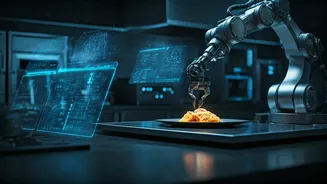
At the same time, our homes are becoming more connected. The Internet of Things (IoT) has moved into the kitchen, embedding sensors and connectivity into everyday appliances. Smart refrigerators can track inventory, ovens can be controlled remotely, and other gadgets can monitor everything from cooking temperatures to energy use. This technology is no longer just about convenience; it’s about creating an efficient, data-rich environment. While consumer adoption is still in its early stages, the potential is enormous. These devices are designed to learn our habits, preferences, and daily routines, creating a detailed picture of what a household consumes and when.
Data: The Main Ingredient
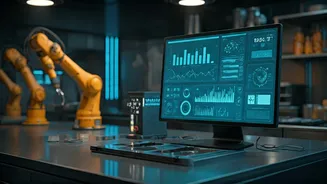
Here is where the two trends converge. The real power of a smart kitchen lies in the data it generates. Imagine your smart fridge knows you're low on milk and that you've been ordering paneer butter masala every Friday. It knows your calorie goals from your fitness app and your preference for whole wheat flour. Now, what if that data, with your permission, could be shared with a cloud kitchen network? This is the core of the transformation. Instead of reacting to an order placed on an app, cloud kitchens could move to a predictive model. They could anticipate demand not just at a neighbourhood level, but at a household level.
The Predictive Dining Revolution
This data integration could unlock entirely new business models. A cloud kitchen could offer a personalized weekly meal subscription, automatically delivering groceries or ready-to-eat meals based on your kitchen's inventory and your family's eating habits. AI algorithms could analyze data to suggest new dishes you might like or create highly personalized nutritional plans. For the cloud kitchen operator, this means unprecedented efficiency. They can optimize inventory, slash food waste by cooking to predicted demand, and streamline delivery routes. Instead of guessing what customers might order during a cricket match, they would have data indicating a likely surge in demand for snacks and drinks in specific apartment complexes.
Barriers to a Fully Automated Menu
Despite the exciting potential, significant hurdles remain. The most critical is data privacy. Users are rightfully concerned about how their personal data—from their eating habits to when they are home—is collected, used, and protected. Gaining consumer trust will require immense transparency and robust security from both appliance manufacturers and food delivery companies. Furthermore, the cost and interoperability of smart devices are major barriers. For a seamless ecosystem to work, different brands of appliances need to communicate with different delivery platforms, a technical challenge that has yet to be solved at scale. Until smart kitchen technology becomes more affordable and standardized, this future remains largely on the horizon.