
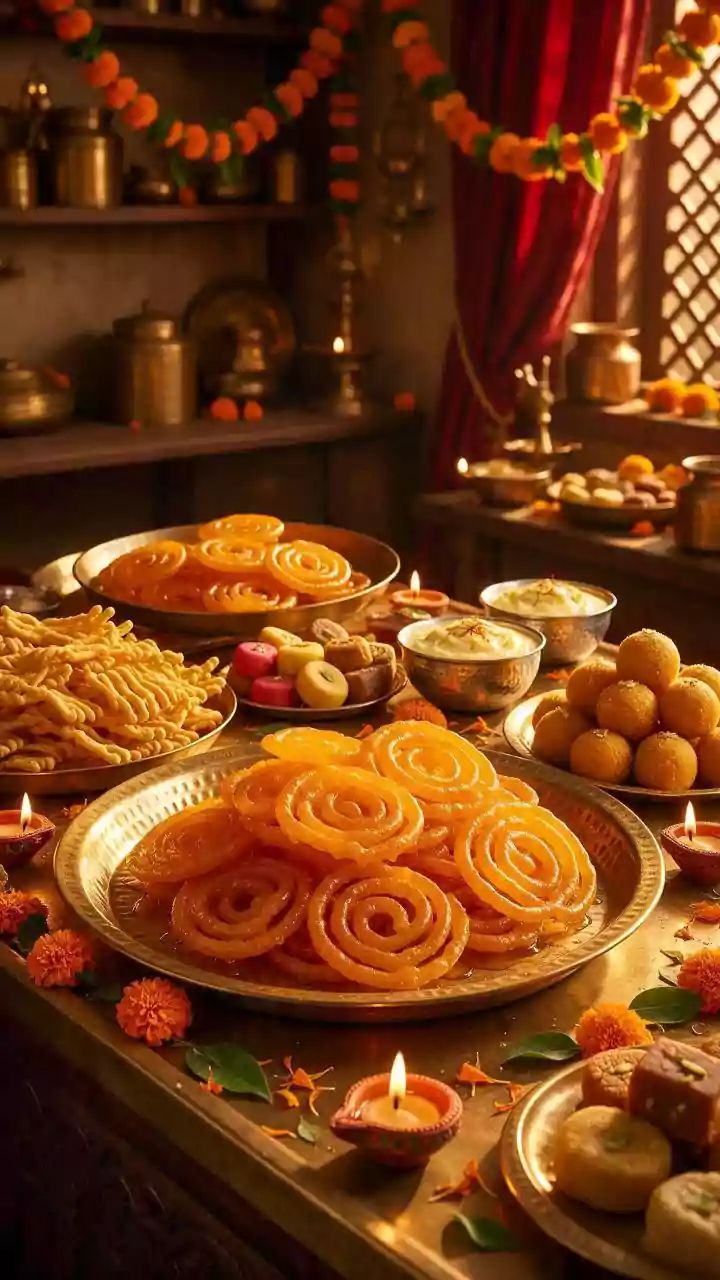


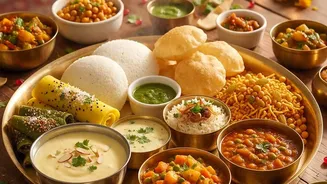
The aroma of ghee-roasted besan and simmering sugar syrup is a hallmark of Indian festivals. Yet, so are the vibrant sweet shop displays. The choice between cooking at home or buying from a store is a modern festive dilemma shaped by region and tradition.
The Enduring Allure of Homemade
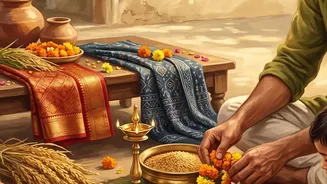
Across India, the act of making festive food at home is deeply woven into the fabric of celebration. It’s more than just cooking; it’s a ritual. The process of preparing sweets and savouries, often over several days, transforms the kitchen into the heart of the festival. These moments are steeped in tradition, with recipes passed down through generations, connecting families to their heritage. Making treats at home is seen as an expression of love and devotion, with the belief that homemade items are purer and more meaningful offerings to deities and guests. The care put into handcrafting these delicacies is thought to make them more special than store-bought alternatives. This sentiment is strong, with many feeling that festivals are incomplete without the familiar fragrances and collaborative effort of home cooking.
The Sweet Shift to Convenience
Despite the powerful pull of tradition, modern life is undeniably reshaping festive habits. Urbanisation, nuclear families, and households where both partners work have made time a scarce commodity. For many, spending days in the kitchen is no longer practical. This has fuelled a significant shift towards buying festive treats. High-quality sweet shops and online brands offer a convenient solution, providing an array of regional specialities without the labour. This trend is also driven by a desire for variety and the assurance of professional quality. However, concerns about adulteration, especially during peak demand periods when some shops may use substandard ingredients like chalk powder in sugar or animal fat in ghee, still lead many to favour home preparations or trusted artisanal brands.
Northern Feasts: Richness and Ritual
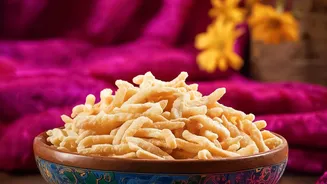
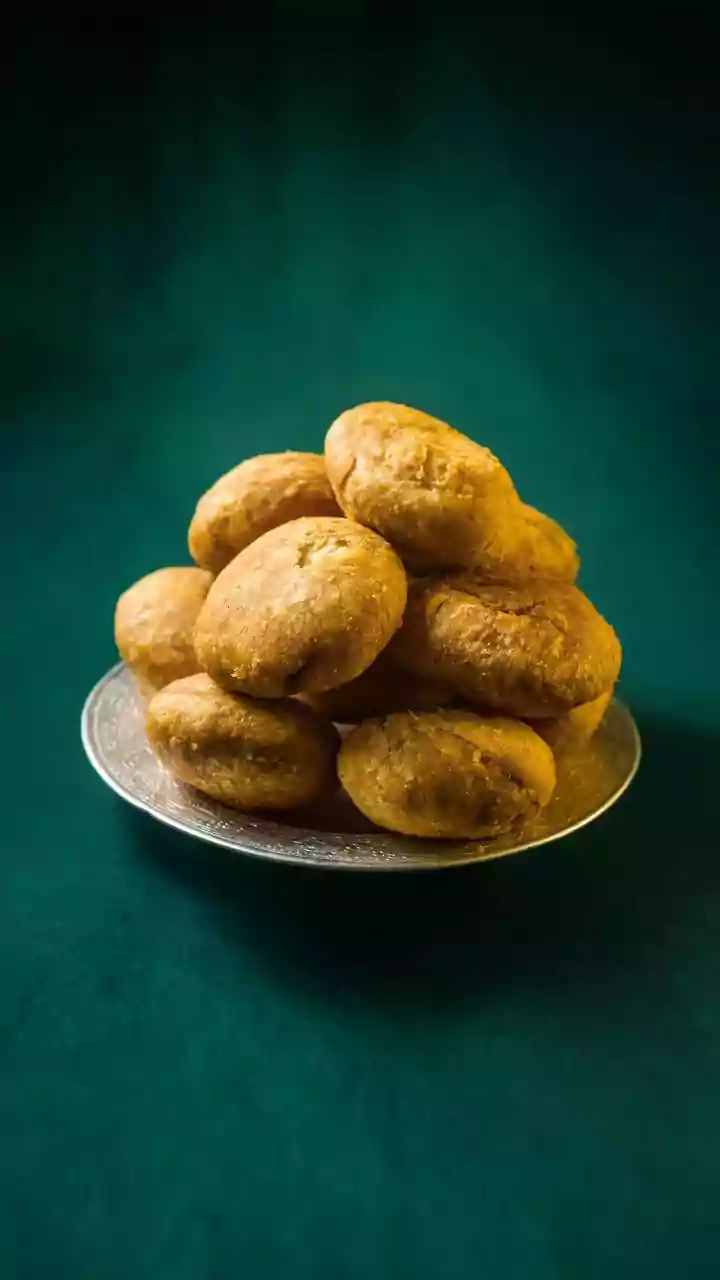
In North India, festive food is often characterized by its richness, with a heavy reliance on milk, ghee, and dry fruits. During Diwali, households in Uttar Pradesh and Delhi might be filled with the aroma of besan ke ladoo and the sight of kaju katli. While many families still take pride in preparing these sweets at home, the sheer variety and quality available in the market make buying a tempting option. Some treats, like the flaky fried mathri or crunchy sev, are still commonly made in home kitchens, becoming a staple for chai-time gatherings with guests. It's a balancing act where essential, ritualistic items might be homemade, while more elaborate sweets are often purchased.
Western India: The Pride of 'Faral'
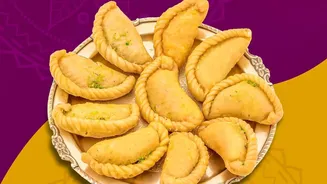
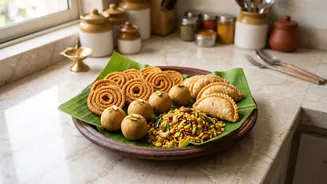
In states like Maharashtra and Gujarat, the tradition of making a platter of snacks and sweets, known as 'faral' or 'farsan', is a cornerstone of Diwali celebrations. Maharashtrian homes buzz with the preparation of chakli, shankarpali, and karanji. Similarly, Gujarati families prepare ghughra, mathiya, and various 'chevdo' mixes in large batches to last through the festive season. Here, the tradition of making these savoury snacks at home remains particularly strong. It is a matter of regional pride, and the process is a communal activity. While sweets like mohanthal or ghari might be bought, the homemade savoury 'farsan' is often non-negotiable.
Eastern Traditions: A Culture of Mishti
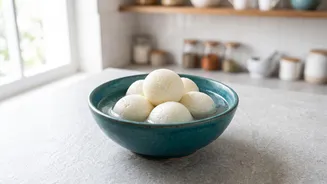
In West Bengal, sweets, or 'mishti', are integral to cultural and religious life, especially during Durga Puja. The region has a long and storied history of professional sweet makers, and iconic shops are institutions in their own right. While sweets like rasogolla or sandesh made from 'chenna' (fresh cheese) are readily available and widely purchased, many families still cherish the tradition of making specific items at home. Treats like narkel naru (coconut laddoos) and various kinds of 'pithe' (rice flour dumplings) are often prepared in home kitchens, holding a nostalgic value that store-bought versions cannot replicate. This creates a hybrid approach where the convenience of legendary sweet shops coexists with the cherished tradition of homemade delicacies.
Southern Staples: A Make-or-Buy Mix
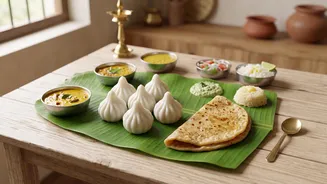
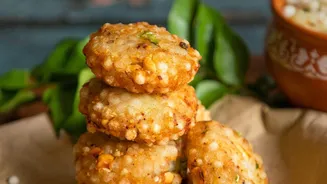
South Indian festive cuisine is largely built around rice, lentils, jaggery, and coconut. During festivals, homes are filled with the sounds of sputtering mustard seeds and the scent of curry leaves. Crispy, savoury snacks like murukku (the southern counterpart to chakli) and sweet dishes like payasam (kheer) are central to the celebrations. While many families continue to make these items at home, some iconic sweets are famously associated with specific towns or shops, such as the rich Mysore Pak from Karnataka. It's common for households to prepare the savoury snacks themselves while opting to buy sweets that are renowned for their professional quality, reflecting a practical blend of tradition and convenience.