



The Rise of Green Crackers
For years, the Supreme Court of India and environmental bodies have grappled with the severe air and noise pollution that follows Diwali celebrations. The thick smog, laden with harmful chemicals, poses significant health risks. In response, the court
mandated the use of improved, cleaner fireworks, ruling out a complete ban but prohibiting conventional crackers. This led to the development of 'green crackers' by the Council of Scientific and Industrial Research-National Environmental Engineering Research Institute (CSIR-NEERI). These are not zero-emission products, but they are designed to reduce particulate matter emissions by 30-40% and are significantly less noisy than their traditional counterparts.
What Makes a Cracker 'Green'?
A green cracker is defined by its chemical formulation. Developed by CSIR-NEERI, these products are manufactured to reduce harmful emissions and noise levels. The certifying authority is the Petroleum and Explosives Safety Organisation (PESO). Critically, green crackers must not contain hazardous chemicals like lithium, arsenic, lead, mercury, and, most notably, barium salts, which have been banned by the Supreme Court. Instead of these banned substances, formulators use alternatives like potassium nitrate and zeolites, which act as dust suppressants. The noise level for these crackers is also capped, typically around 110-125 decibels, a noticeable reduction from traditional crackers that can exceed 140 decibels.
The Three Approved Formulations: SWAS, SAFAL, and STAR
CSIR-NEERI has developed three main types of green cracker formulations that are permitted for use. Understanding these names can help you make an informed choice. SWAS (Safe Water Releaser): These crackers release water vapour as they burst, which helps to suppress the dust and particulate matter generated. This mechanism significantly reduces the amount of pollutants that become airborne. They do not contain potassium nitrate or sulphur, and can cut down particulate dust by around 30%. SAFAL (Safe Minimal Aluminium): This formulation uses a minimal amount of aluminium, a key component in traditional crackers that contributes to pollution. This results in reduced particulate matter compared to conventional options. STAR (Safe Thermite Cracker): STAR crackers do not contain potassium nitrate or sulphur. They produce less particulate matter and have a reduced sound intensity, making them a quieter and cleaner alternative for celebrations.
How to Identify Genuine Green Crackers
With many fake products in the market, identifying authentic green crackers is crucial. There are two primary features to look for on the packaging. First, every box of genuine green crackers must display the official CSIR-NEERI green logo. Second, and perhaps more importantly, the box must have a scannable QR code. When you scan this code with your smartphone, it should link to a page that verifies the product's details and its manufacturing license. If the QR code is missing, doesn't scan, or leads to an unrelated website, the product is likely not a certified green cracker. Always buy from licensed sellers and avoid loose crackers sold without proper packaging.
The Status of 'Ladis' and Barium
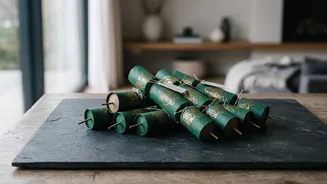
Joined firecrackers, popularly known as 'ladis' or 'serpents', were previously banned entirely. However, recent rulings have paved the way for 'next-generation' green joined crackers that comply with CSIR-NEERI's formulation and noise standards. The issue of barium, a chemical banned since 2018, remains complex. While CSIR-NEERI has developed some formulations that use barium in a way that reportedly reduces emissions, their final approval is often subject to further court reviews and field tests. For consumers, the safest bet is to stick to products that are explicitly verified through the QR code system and sold by reputable vendors, as the regulations can be subject to last-minute changes.