








Understanding the Fear Factor
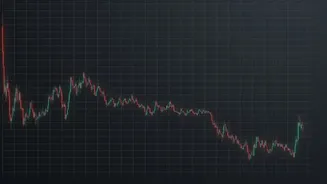
The natural human instinct during a market correction is to flee. The fear of losing money is a powerful emotion that can drive investors to sell their holdings at the worst possible time, effectively locking in their losses. This reaction is known as
loss aversion, a psychological bias where the pain of a loss is felt more intensely than the pleasure of an equivalent gain. However, market corrections are a normal and recurring part of the investment cycle. Historically, markets have always recovered from downturns, and panic selling often means missing out on the subsequent rebound. The first step to disciplined investing is acknowledging this fear and choosing to react with a long-term strategy instead of short-term emotion.
The Strategy: Rupee-Cost Averaging
One of the most effective strategies for a disciplined investor is rupee-cost averaging, also known as dollar-cost averaging. This involves investing a fixed amount of money at regular intervals, regardless of what the market is doing. When prices are low during a downturn, your fixed investment buys more shares or fund units. When prices are high, it buys fewer. Over time, this approach can lower your average cost per share and reduces the risk associated with trying to 'time the market'. For many people who invest through Systematic Investment Plans (SIPs) in mutual funds, they are already practicing this strategy without even thinking about it. It enforces discipline by making investing a consistent habit rather than a reaction to market news.
Hunting for Quality, Not Just Low Prices
A market drop makes many stocks cheaper, but it doesn’t make all of them a good buy. The key to successful dip-buying is focusing on quality. This means seeking out fundamentally strong companies with solid balance sheets, consistent earnings, and a durable competitive advantage. A downturn can be an opportunity to buy shares in great businesses that were previously overvalued. Avoid the temptation to gamble on speculative stocks simply because their prices have fallen dramatically. Instead, use the correction as a chance to build a portfolio of high-quality assets that have the resilience to weather the downturn and thrive in the long run. Diversifying across different sectors, such as consumer staples, healthcare, and utilities, can also help manage risk.
The Prerequisites for Seizing the Opportunity
Not everyone is in a position to buy during a market dip, and it's crucial to have your financial house in order first. The most important prerequisite is a long-term investment horizon. Money you might need in the next one to five years should not be in the stock market; it belongs in safer, more liquid accounts. An adequate emergency fund, typically covering three to six months of living expenses, is also non-negotiable. This fund ensures that you won't be forced to sell your investments at an inopportune time to cover unexpected costs. Finally, you must have investable cash on hand. This disciplined approach requires having a plan and the available capital to execute it when the opportunity arises.