









Beyond the Beige Boardroom
The traditional office environment, with its cubicles and scheduled meetings, is facing a quiet rebellion. For a generation that values flexibility and inspiration, the rigid structure of a corporate office can feel stifling. Young professionals are increasingly
seeking environments that blend productivity with comfort, a space that doesn't feel like a sterile box. The shift away from confined office areas gained momentum after the pandemic, with many millennials finding they are more productive in open, dynamic settings. This isn't just about escaping the office; it's about finding a place that fuels creativity rather than draining it.
The Rise of the 'Third Place'
Enter the 'third place'—a term coined by sociologist Ray Oldenburg to describe the crucial social environments outside of home (the first place) and work (the second). Cafes have become the quintessential third place for urban India. They offer a unique blend of private and public, a space where one can work solo yet feel part of a community. The subtle energy of other people working, chatting, and relaxing creates a background hum that many find more motivating than the dead silence of an empty home office or the distractions of family life. It's a place to connect, collaborate, or simply be, without the pressures of a formal setting.
From Fuel to Interactive Experience
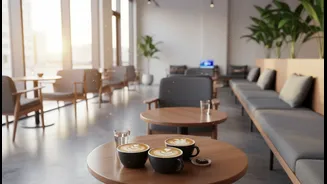
Today's cafe culture is about more than just serving coffee; it's about curating an experience. The headline's 'interactive coffee flight' is a perfect example. A coffee flight is a curated tasting of several different coffees, served in smaller portions, much like a wine or beer tasting. It transforms a simple coffee break into an engaging, sensory activity. Instead of a quick caffeine hit, a flight encourages conversation and discovery, allowing colleagues or clients to bond over exploring different roasts, brewing methods, and flavour profiles. This aligns perfectly with the millennial preference for spending on experiences rather than just products.
Designing for the Modern Worker
Successful cafes have leaned into their role as alternative workspaces. It’s no longer enough to have a good espresso machine. The best work-friendly cafes in cities like Bengaluru, Mumbai, and Delhi are being designed with the modern professional in mind. This means an abundance of accessible charging points, reliable high-speed Wi-Fi, and comfortable seating designed for longer stays. Some cafes are even structured like co-working spaces, offering day passes or pay-per-minute models that remove the pressure to constantly buy more food and drink. The atmosphere is key; good lighting, pleasant acoustics, and an overall welcoming vibe are as important as the menu.
A Lifestyle, Not Just a Location
For many urban millennials, the choice to work from a cafe is a lifestyle statement. It reflects a desire for work-life integration, where professional tasks can be woven into a day that also includes leisure and social connection. The cafe setting is inherently more relaxed and less hierarchical than a boardroom, which can foster more open and creative brainstorming sessions. It provides a flexible, adaptable environment that caters to the fluid nature of modern work, where one might be freelancing, running a startup, or simply taking a break from the main office for a few hours of focused work.