





Embrace Nature’s Candy: Summer Fruits
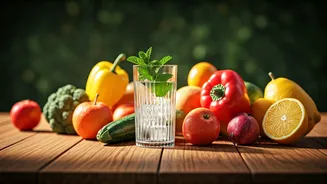
Summer in India is synonymous with a vibrant array of fruits, many of which are packed with heart-protective nutrients. Watermelon, for example, is not just hydrating; it's a great source of lycopene, an antioxidant linked to lower blood pressure. Mangoes,
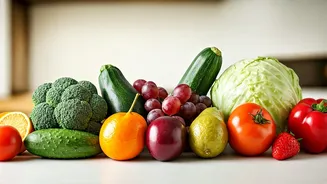
the undisputed king of summer, offer a wealth of vitamins A and C. While delicious, their high sugar content means moderation is key—think of them as a treat, not a meal. Other excellent choices include muskmelon, jamun, and lychees, which provide fibre, vitamins, and a refreshing break from the heat. The key is to eat a variety of colourful, seasonal fruits to get a broad spectrum of nutrients.
Hydrate the Heart-Smart Way
Staying hydrated is crucial in the summer heat, but you can go beyond plain water. Tender coconut water is a fantastic choice, as it's naturally rich in potassium, a mineral essential for managing blood pressure. Another traditional favourite, buttermilk (chaas), is a probiotic-rich drink that aids digestion and cools the body without adding unhealthy fats or sugars. Try making it at home with a pinch of black salt, roasted cumin powder, and fresh mint. Unsweetened iced teas, infused with herbs like mint or lemongrass, are another refreshing, zero-calorie option. Avoid sugary sodas and packaged juices, which can contribute to inflammation and weight gain.
Go Green with Cooling Vegetables
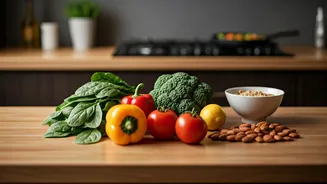
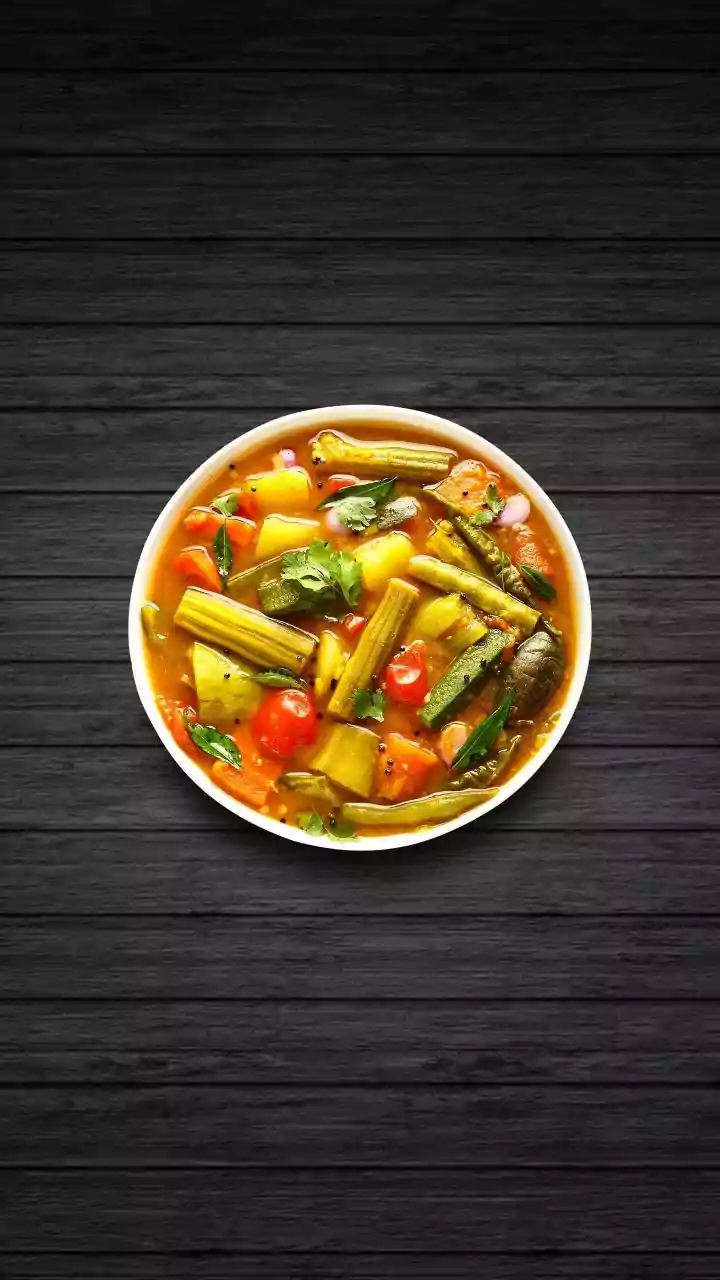
Summer meals should be light, and vegetables are your best friend. Gourds like lauki (bottle gourd), turai (ridge gourd), and tindora (ivy gourd) have high water content and are incredibly easy to digest. They can be made into light curries or soups. Cucumber is another summer superhero; composed of about 95% water, it’s perfect for salads, raitas, or simply sliced with a sprinkle of seasoning. Leafy greens are also important, but instead of heavy, creamy preparations, opt for lighter stir-fries or add them to dals. These vegetables are low in calories but high in fibre and essential nutrients that support overall cardiovascular health.
Choose Lighter, Leaner Proteins
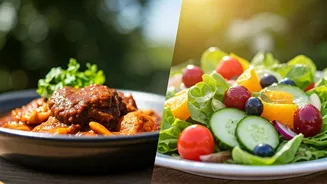
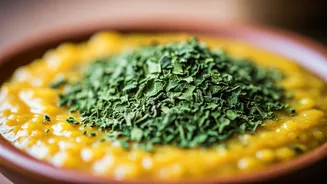
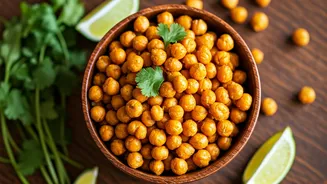
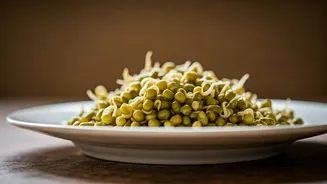
Heavy, fat-laden meals can make you feel sluggish, especially in the heat. This summer, swap out heavy red meats for lighter protein sources. Lentils and legumes are staples of the Indian diet for a reason—they are packed with plant-based protein and fibre, which helps in lowering cholesterol. A simple dal is one of the most comforting and heart-healthy meals you can have. If you eat non-vegetarian food, fish is an excellent choice. Varieties like mackerel (bangda) are rich in omega-3 fatty acids, which are renowned for their heart-protective benefits. Grilled chicken or paneer are also great alternatives to rich, heavy curries.
Mind Your Salt and Spices
Excessive salt intake can lead to water retention and high blood pressure, issues that can be exacerbated by summer heat. Be mindful of hidden salt in processed foods, pickles, and chutneys. The best way to control your sodium intake is to cook at home. Instead of relying solely on salt for flavour, get creative with spices and herbs. Cumin, coriander, turmeric, ginger, and garlic not only add incredible depth to your food but also come with their own anti-inflammatory and health-boosting properties. Fresh herbs like mint, coriander, and basil can brighten up any dish, reducing the need for extra salt and making your food more flavourful and aromatic.