

The Foundation: From Milk to Mawa
The journey of every authentic Mathura Peda begins with one core ingredient: khoya, also known as mawa. Khoya is essentially milk that has been patiently simmered for hours in a large, heavy-bottomed pan, allowing the water content to evaporate until
only the concentrated milk solids are left. This process is the foundation of the peda's richness. While some modern methods use milk powder as a shortcut, traditionalists insist that true flavour comes from slowly reducing fresh, full-fat milk, often buffalo milk, which is prized for its higher fat content that yields a creamier, richer khoya. This slow reduction doesn't just concentrate the milk; it begins a gentle caramelisation of the milk sugars, laying the first flavour notes for the final product.
The Art of 'Bhunai': Roasting for Texture and Colour
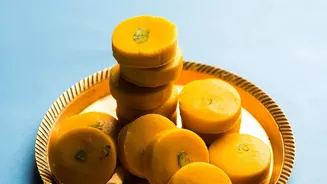
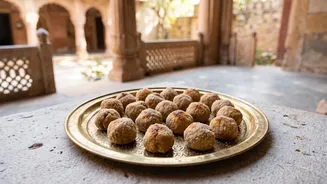
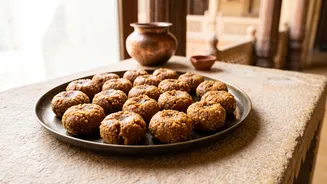
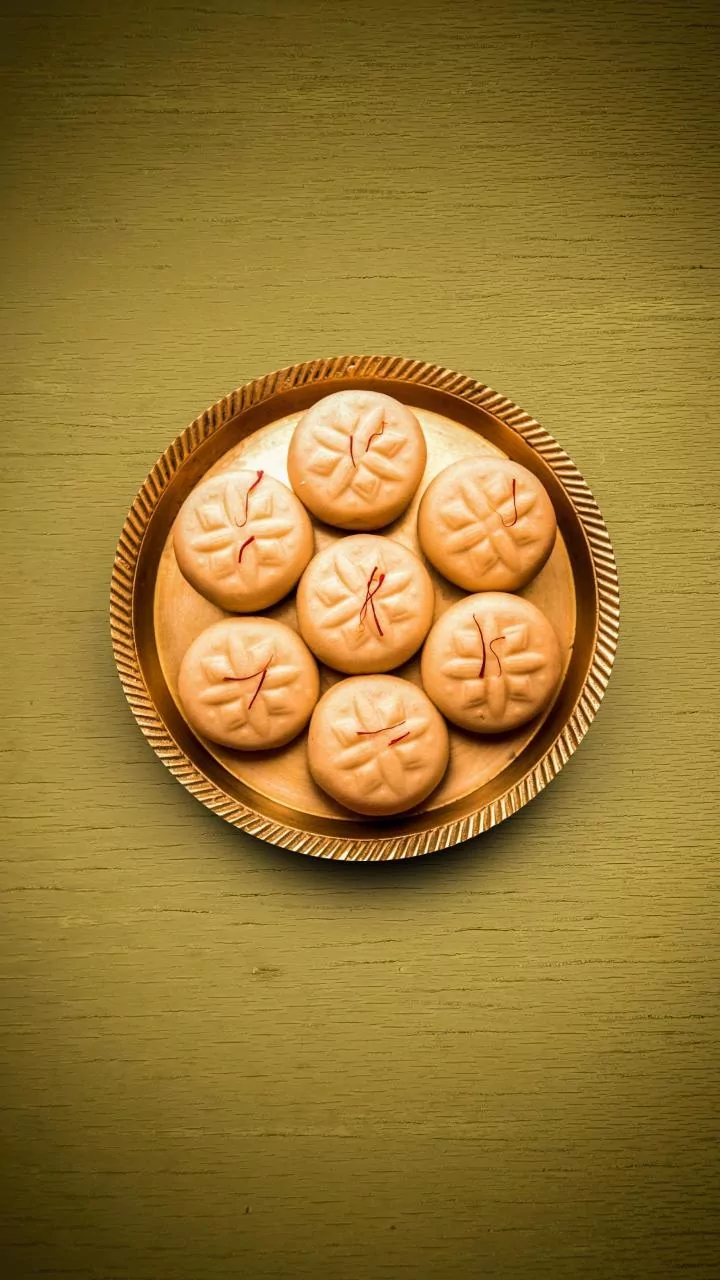
Once the khoya is formed, the most crucial step for creating a Mathura Peda begins: the 'bhunai' or roasting. The fresh mawa is crumbled and patiently roasted on low heat. This isn't a quick process; it can take a significant amount of time, requiring constant stirring to ensure it cooks evenly without scorching. As it roasts, the khoya transforms. It gradually darkens from a pale cream to a distinct golden brown. This browning is the Maillard reaction and caramelisation at work, developing deep, nutty, and complex flavours. More importantly, this slow-roasting process changes the texture of the milk solids, drying them out just enough to create the signature 'danedar' or granular mouthfeel that Mathura Peda is famous for.
The Sweetener's Secret: Why 'Tagar' Matters
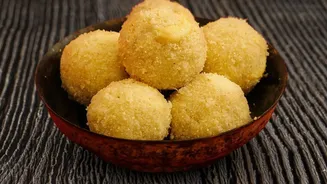
The type of sugar used is another element that distinguishes this iconic sweet. Authentic recipes call for 'tagar' or 'boora', not just finely powdered sugar. Tagar is made by boiling sugar syrup to a specific consistency and then letting it cool and crystallise into a porous, fine, sand-like powder. Unlike regular powdered sugar, which can dissolve and make the mixture pasty, the unique crystalline structure of tagar helps maintain the grainy texture of the roasted khoya. This special sugar blends with the warm khoya, sweetening it while complementing, rather than overpowering, the granular feel. The pedas are often rolled in a final coating of tagar, adding an extra layer of texture.
A Taste of Devotion and Culture
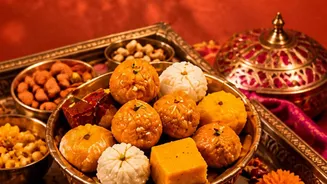
Mathura's reputation as the 'Peda Capital' is inseparable from its identity as the birthplace of Lord Krishna. The region, known as Braj, has a strong dairy tradition, with milk and butter being central to the stories of Krishna's life. As a result, milk-based sweets became a natural part of the local cuisine and religious life. The peda is a primary 'prasad' or blessed offering in the temples of Mathura and Vrindavan. Devotees who visit the holy city often carry boxes of these sweets back home, transforming the peda from a local delicacy into a beloved symbol of faith and a culinary ambassador for the entire region. This cultural significance ensures that the traditional, painstaking methods of its preparation are preserved by generations of sweet-makers.