




The Hidden Cost of Tradition
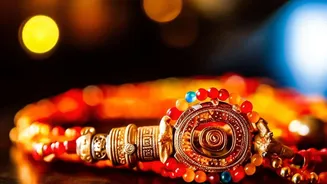
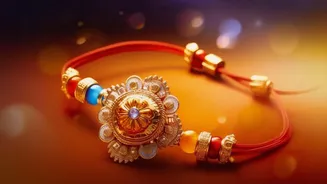
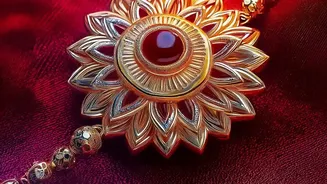
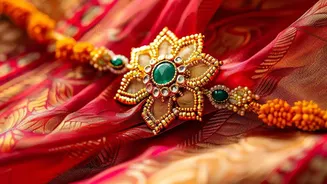
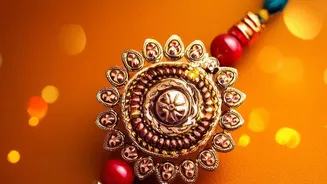
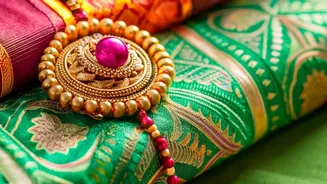
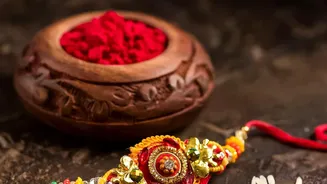
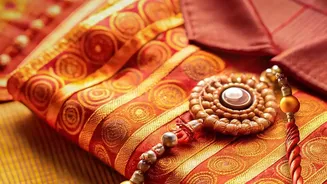
For years, the image of Raksha Bandhan has been intertwined with brightly coloured, often elaborate, rakhis. However, many of these are made from non-biodegradable materials. The shiny stones are often plastic, the threads are synthetic polyester or nylon,
and they come in single-use plastic packaging. Every year, crores of these rakhis are discarded after the festival, ending up in landfills where they persist for hundreds of years. This growing awareness of the environmental toll has led many to question the sustainability of such traditions, prompting a search for alternatives that honour the sentiment without harming the planet.
A Rakhi That Lives On
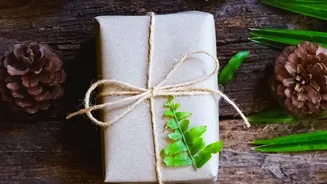
Enter the seed rakhi, a creative and eco-conscious solution that is rapidly gaining popularity. These rakhis are crafted from biodegradable materials like handmade paper, organic cotton, and natural dyes. Embedded within the central design are seeds of flowers, herbs, or vegetables. The idea is simple and symbolic: after the festivities, instead of being thrown away, the rakhi can be planted in soil. With a little water and care, the seeds sprout, and the rakhi transforms into a living plant—a beautiful, growing reminder of the sibling bond. This concept perfectly captures a desire for more meaningful, less wasteful celebrations.
From Possessions to Lasting Memories
The shift extends beyond the rakhi itself and into the realm of gifting. Increasingly, people are choosing to give experiences rather than physical objects. Studies and consumer trend reports show a clear preference for creating memories over accumulating more 'stuff'. In the context of Raksha Bandhan, this translates to gifting a workshop, a weekend trip, tickets to a concert, a subscription box, or a class to learn a new skill. These gifts offer shared moments and personal growth, things that last longer than a material item. The emotional value of an experience—the anticipation, the event itself, and the stories told afterward—is proving to be a more powerful and cherished gift.
A New Generation's Values
This trend is largely driven by a change in consumer consciousness, particularly among younger generations like millennials and Gen Z. With greater access to information about environmental issues like plastic pollution and climate change, these consumers are more purpose-driven in their purchasing decisions. They seek authenticity and are wary of mindless consumerism. For them, a sustainable, handcrafted rakhi from a local artisan or an experiential gift holds more value than a mass-produced, disposable item. This reflects a broader cultural shift where festive celebrations are becoming an opportunity to express personal values, including a commitment to the environment and meaningful connection.
How the Market is Responding
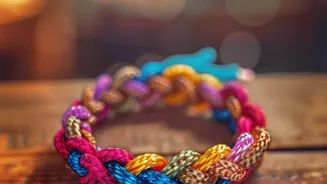
Businesses, from small artisanal ventures to larger online platforms, have been quick to notice and adapt to this growing demand. E-commerce sites and social media have made it easier than ever to find a wide array of eco-friendly and personalized options. You can now find rakhis made from jute, bamboo, terracotta, and various natural fibres alongside the popular seed rakhis. Similarly, the market for experiential gifts has exploded, with companies curating everything from gourmet food tours to adventure sports. This commercial response has not only made sustainable choices more accessible but has also reinforced their place in the mainstream, signalling a permanent change in our festive landscape.