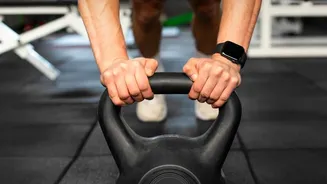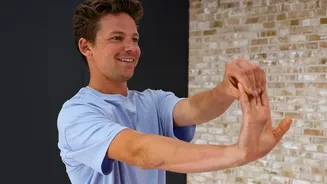





Often overlooked, forearm strength is the secret to a powerful grip and stable wrists. One effective, time-tested method is wrist rolling. Let's explore the 'African wrist rolling' exercise and why bidirectional rotation is the key to unlocking its full
potential.
What is African Wrist Rolling?
While the name might suggest a complex or region-specific movement, 'African wrist rolling' generally refers to a traditional and straightforward exercise for building powerful forearms. It is a variation of the standard wrist roller exercise, which uses a simple device—a bar or handle with a rope tied to its center, with a weight attached to the rope's other end. The exercise involves holding the bar with both hands and rotating your wrists to wind the rope around the bar, lifting the weight. The term often evokes a more rustic, back-to-basics approach, perhaps using handmade equipment, but the principle is identical to modern gym versions. It is a pure test of forearm strength and endurance.
The Core Benefits: More Than Just Forearms
The primary benefit of wrist rolling is the development of immense grip strength and forearm muscle. Unlike many exercises where your grip is a secondary factor, this movement directly isolates the forearm muscles. This leads to improved performance in any activity that requires a strong hold, from lifting heavy deadlifts and performing pull-ups to excelling in sports like rock climbing and tennis. Furthermore, strengthening these muscles enhances wrist stability, which is crucial for injury prevention. Strong wrists and forearms help protect the delicate joints and tendons in your wrists and elbows from strains and sprains, which are common in both sports and daily life.
Why Both-Direction Rotations Are Crucial
This is where the true magic of the exercise lies. The muscles in your forearms are divided into two main groups: the flexors (on the palm side) and the extensors (on the top side). Rolling the weight up (wrist flexion) primarily targets the flexors. However, many people make the mistake of letting the weight just drop back down. To achieve balanced strength and prevent injury, it is vital to control the descent by slowly unwinding the rope. This movement, known as wrist extension, works the often-neglected extensor muscles. Training in both directions ensures that you don't create muscle imbalances, which can lead to issues like tennis elbow or golfer's elbow. A balanced approach builds a more resilient and functional forearm from all angles.
A Step-byStep Guide to Proper Form
To perform the exercise safely and effectively, follow these steps:
1. Stance: Stand with your feet shoulder-width apart, holding the wrist roller with an overhand grip. Extend your arms straight out in front of you at shoulder height. Keep a slight bend in your elbows to avoid straining the joint.
2. Roll Up (Flexion): Begin rotating your wrists one after the other to wind the rope up around the bar. The movement should be slow and controlled, focusing on using only your wrists and forearms. Keep your arms steady and parallel to the floor.
3. The Pause: Once the weight reaches the bar, pause for a moment to maximize the muscle contraction.
4. Roll Down (Extension): This is just as important as the way up. Slowly reverse the motion, unwinding the rope with controlled, deliberate wrist rotations. Do not let gravity do the work for you. This controlled negative is key to working the extensor muscles.
5. Repetitions: One full cycle of rolling the weight up and down counts as a single rep. Aim for a few complete reps per set, focusing on time under tension rather than a high number.
Common Mistakes to Avoid
To get the most out of this exercise and stay injuryfree, watch out for these common errors. First, avoid using momentum by swinging your body or shrugging your shoulders; the work should come entirely from your forearms. Second, don’t start with too much weight. The forearms are smaller muscles that fatigue quickly, so begin with a light weight and focus on perfect form. Another frequent mistake is letting your arms drop as you get tired. Fight to keep them held at shoulder height to maintain tension on the forearms. Finally, as emphasized, never just let the weight drop after rolling it up. The controlled descent is half the exercise and crucial for building balanced strength.