


Begin with Royal Pageantry in Tripunithura
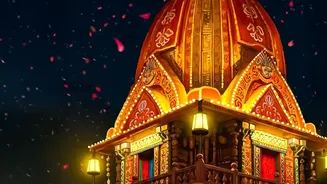
Your cultural deep-dive into Onam should start where the festival officially kicks off: with the Athachamayam in Tripunithura, near Kochi. Scheduled for August 16, 2026, this grand street parade marks the first day of the ten-day festival. Historically,
it commemorates the march of the Maharaja of Cochin from his palace to the temple. Today, it’s a spectacular display of Kerala’s rich artistic heritage. Expect to see caparisoned elephants, vibrant floats, and troupes performing folk arts like Theyyam, Kathakali, and Pulikali. Arrive early to find a good spot along the procession route, which starts at the Tripunithura Boys High School ground, as the town swells with thousands of spectators eager to soak in the opening ceremony's energy.
Witness Ritual and Rhythm in Aranmula
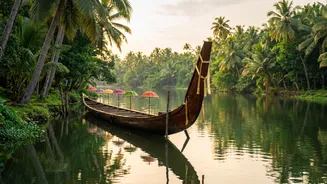
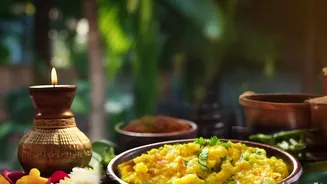
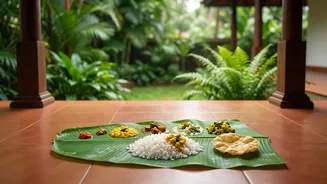
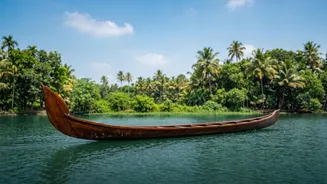
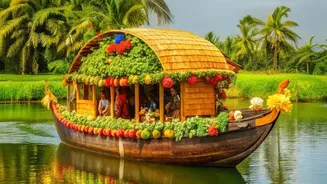
For an experience steeped in devotion and tradition, head to Aranmula in Pathanamthitta district. This ancient temple town is famous for two key Onam-related events. The first is the Aranmula Valla Sadya, a massive ritualistic feast served at the Parthasarathy Temple. It’s considered one of the largest vegetarian feasts in the world, with dozens of unique dishes served to the oarsmen of the region's snake boats, known as Palliyodams. The rowers sing traditional songs (Vanchipattu) as they are served. Later in the season, on August 30, 2026, the Aranmula Uthrattathi Vallamkali (snake boat race) takes place on the Pamba River. Unlike the more competitive races, this is a water procession that retains its ceremonial grandeur, with each boat representing a local village, making it a powerful display of community spirit.
Feel the Roar of the Tigers in Thrissur
On the fourth day of Onam, known as Naalaam Onam, all roads lead to Thrissur, Kerala's cultural capital. On August 29, 2026, the city's Swaraj Round will erupt with the primal energy of Pulikali, or the 'Tiger Dance'. Hundreds of men, with their bodies painstakingly painted to resemble tigers and leopards, dance through the streets to the thunderous beat of percussion instruments like the chenda and thakil. The tradition is said to have been introduced over 200 years ago by the then-Maharaja of Cochin. The performers, who often fast for weeks in preparation, transform the city into a hunting ground, with troupes enacting scenes of play and chase. It’s a wild, unforgettable spectacle that showcases a unique and powerful folk tradition.
Discover Rural Traditions in Palakkad and Beyond
To truly get off the beaten path, explore the villages of Palakkad and northern Kerala, where ancient Onam traditions thrive. Here, you might witness Kummattikali, a colourful mask-dance where performers don costumes made of grass and leaves and visit homes. Another fascinating tradition is Onathallu, a ritualistic form of mock combat that showcases strength and agility without violence. In parts of Kannur, you may even encounter the Onapottan, a folk character representing King Mahabali who visits homes in silence, carrying a traditional palm-leaf umbrella and giving blessings. These smaller, community-focused events offer a glimpse into the agricultural roots of the festival, where gratitude for the harvest is expressed through intimate local customs.
Embrace the Community Spirit at Payippad
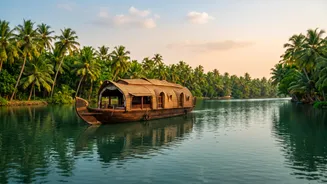
While the Nehru Trophy gets much of the attention, the Payippad Jalolsavam near Haripad in Alappuzha district offers a more community-driven boat race experience. This three-day water festival is deeply linked to the legend of the Haripad Subramanya Swamy Temple. The event is a celebration of the retrieval of an idol from a river, which was escorted by boats in a grand procession. Today, the festival features fiercely competitive races, but it remains a people's event, organised and run by the surrounding villages with immense local pride. It combines the thrill of the race with the sanctity of a religious procession, making it a unique cultural event that captures the essence of Kerala’s backwater life.