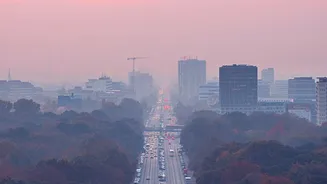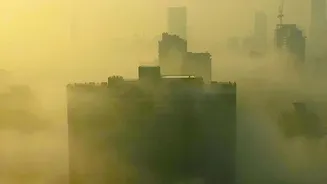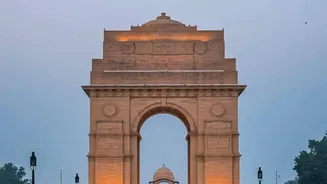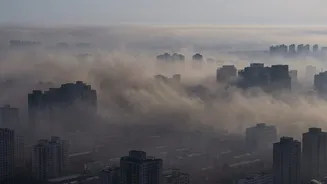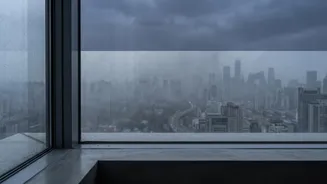



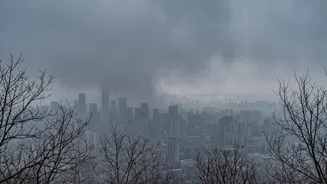
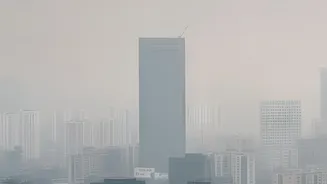
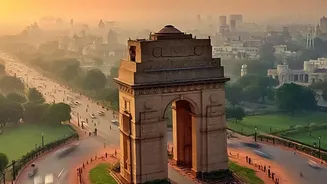
For Delhi residents, the onset of winter is no longer just about cooler temperatures. It's about the familiar sting in the eyes, a persistent cough, and the grey, oppressive haze that blankets the city, turning the simple act of breathing into a conscious
effort.
The Daily Health Hazard
The conversation about Delhi's air often revolves around the Air Quality Index (AQI), a metric that has become a grim part of daily life. On November 12, 2026, the city's AQI was recorded at 452, firmly in the 'Hazardous' category. But what do these numbers mean for the human body? The primary culprit is PM2.5, fine particulate matter so small it can bypass the body's natural defences and lodge deep within the lungs, and even enter the bloodstream. Initial exposure triggers immediate reactions like eye irritation, sore throats, and relentless coughing. For vulnerable populations—children, the elderly, and those with pre-existing conditions like asthma—the effects are more severe, often leading to worsened symptoms and respiratory distress. Studies show that prolonged exposure doesn't just harm the lungs; it's linked to an increased risk of cardiovascular events, including heart attacks. The pollution's impact extends to eye health, with doctors reporting a surge in patients with dryness, allergies, and infections, as toxic particles damage the ocular surface.
A City on Pause
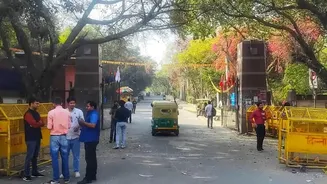
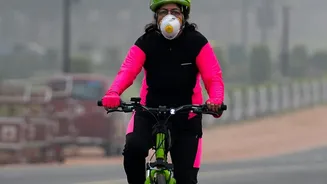
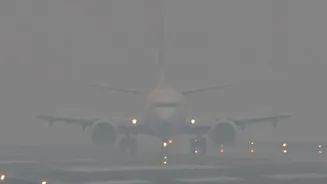
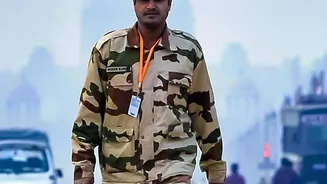
The pervasive smog forces the city and its residents into a state of semi-hibernation. As pollution levels neared the 'Severe' category in early November 2026, authorities invoked Stage III of the Graded Response Action Plan (GRAP). This brought immediate and widespread disruption. Construction and demolition activities, major contributors to dust, were halted. Restrictions were placed on older petrol and diesel vehicles, complicating commutes for many. Schools were advised to shift to hybrid mode for younger students, impacting family routines and education. Commuting itself becomes a challenge, with thick smog reducing visibility on the roads, leading to slower traffic and a higher risk of accidents. The simple joy of being outdoors is lost. Morning walks become a health risk, children are kept indoors, and outdoor exercise is strongly discouraged. Social events are cancelled, and the city's public spaces, usually teeming with life, become quiet and deserted. Life is increasingly lived behind closed doors, with the help of air purifiers for those who can afford them.
The Invisible Economic and Mental Toll
Beyond the visible health crisis lies a significant economic burden. Air pollution is not just a seasonal inconvenience; it is an economic tax. A 2026 report estimated that air pollution cost Indian businesses approximately $260 billion in lost revenue in 2024 through reduced worker productivity, lower consumer footfall, and increased healthcare expenditure. When pollution forces construction bans and transport restrictions, supply chains are disrupted, affecting everything from real estate to the availability of consumer goods. Retailers and restaurants report lower sales as people avoid going out. Another significant, often overlooked, cost is the impact on mental health. The constant anxiety about the air, the feeling of being trapped, and the physical fatigue caused by the body working harder to breathe all contribute to what experts call 'pollution anxiety' and environmental stress. This can affect sleep, concentration, and overall well_being, creating a cycle of physical and mental exhaustion.
An Unequal Burden
The impact of Delhi's toxic air is not felt equally by all its citizens. While affluent households can create 'clean air bubbles' with expensive purifiers and work_from_home arrangements, a vast majority of the population has no such protection. Outdoor labourers, construction workers, street vendors, and delivery personnel have no choice but to work in hazardous conditions, bearing the full brunt of the toxic air. Their livelihoods depend on being outside, making them the most vulnerable to both short_term illness and long_term health consequences. For children from lower_income families, who may lack access to purifiers at home or school, the long_term risk is even greater. Studies have shown that prolonged exposure during childhood can lead to stunted lung development, increasing their risk of chronic respiratory diseases later in life. This disparity highlights how air pollution is not just an environmental issue but a profound social justice challenge, deepening existing inequalities within the city.