


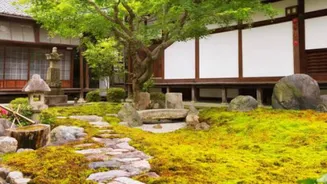
Looking to bring a touch of tranquil, green serenity into your home without the high maintenance of typical houseplants? A miniature moss garden is a perfect solution, transforming any small space into a lush, vibrant landscape.
The Quiet Allure of Moss
Mosses are unique in the
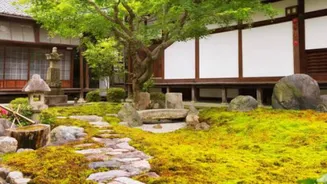
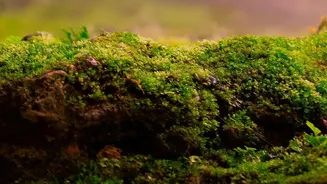
plant world. Because they lack a traditional root system, they absorb water and nutrients through their leaves, allowing them to grow on various surfaces like rocks and wood. This makes them incredibly versatile for indoor gardens. They thrive in shady, humid environments where other plants might struggle, making them ideal for spots that don't get direct sun. Their soft, carpet-like texture and rich green hues bring a sense of calm and natural beauty, often used in Japanese-inspired design for their understated elegance. Beyond aesthetics, indoor greenery can help improve air quality and stabilise humidity.
Choosing Your Moss
There are many types of moss, but a few are particularly well-suited for indoor gardens. Acrocarpous mosses, like Cushion Moss (Leucobryum) and Mood Moss (Dicranum), grow in upright, dense clumps, perfect for creating mounds and texture. Pleurocarpous mosses, such as Sheet Moss (Hypnum) and Fern Moss (Thuidium), grow in creeping, flat mats that are excellent for creating a carpet-like ground cover. For your first project, Sheet Moss is a forgiving choice as it spreads evenly and covers soil effectively. You can find live moss at nurseries or garden centres; just be sure it's not the preserved or dyed kind from a craft store.
Thoughtful Container Design
The container you choose is a central part of the design. Glass terrariums—both open and closed—are popular choices because they showcase the layers and help maintain humidity. A closed terrarium will create its own water cycle, requiring very infrequent watering. Shallow ceramic bowls, dishes, or even unique unglazed terracotta pots can also make beautiful homes for a moss garden. If your container doesn't have drainage holes, creating a proper base is crucial to prevent the moss from becoming waterlogged. The container is not just a vessel; it's a frame for your miniature landscape, so pick one that complements the natural, serene look you want to achieve.
Assembling Your Miniature World
Creating your moss garden is a simple layering process. Start with a drainage layer of small pebbles or gravel at the bottom of your container; this gives excess water a place to go. Next, add a thin layer of activated charcoal, which helps filter the water and prevent odours and bacteria, keeping the environment fresh. Over the charcoal, add a layer of potting soil. A mix designed for acidic conditions or one containing peat can be beneficial. Before placing your moss, you can create an undulating surface with the soil to give the garden a more natural, hilly look. Gently press the sheets or clumps of moss onto the soil, ensuring good contact. Don't bury them. You can add small stones, twigs, or figurines to complete your landscape.
The Art of Maintenance: Light and Moisture
Caring for your moss garden comes down to two key factors: light and moisture. Moss prefers indirect light, so place your garden near a bright window but out of direct sun, which can scorch it. A north facing window is often ideal. Since moss absorbs moisture through its leaves, regular misting is essential. Use a spray bottle with distilled water or rainwater, as tap water can sometimes contain minerals that harm the moss. Aim to keep the moss consistently moist but not soggy. If the moss feels dry to the touch, it's time for a misting. In a closed terrarium, you'll need to water far less often, but it's good practice to open the container once a week to allow for fresh air circulation and prevent mould.