


Visas: Your First Step
For Indian passport holders, both Laos and Cambodia offer relatively straightforward visa processes perfect for spontaneous travel. As of 2026, Cambodia provides an e-Visa that is accepted at the main land border crossing from Laos. Alternatively, a visa on arrival
is available. For Laos, Indian citizens can obtain either an e-Visa online before the trip or a visa on arrival at major entry points. The e-Visa is often recommended for a smoother process. Always carry a few passport-sized photos and have US dollars in cash ready for the fees, which typically range from $30 to $50 depending on the visa type.
The Classic Route: 4000 Islands to Siem Reap
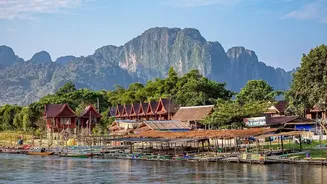
The most well-trodden and logical path for an overland crossing starts in Southern Laos, specifically from the tranquil Si Phan Don area, also known as the 4000 Islands. From the island of Don Det, you'll cross to the mainland and head for the Nong Nok Khiene (Laos) – Trapaeng Kriel (Cambodia) border. This is the primary international checkpoint for travellers. From the border, your journey continues into Cambodia, typically towards Stung Treng, before heading to major destinations like Siem Reap, the gateway to Angkor Wat, or the capital, Phnom Penh.
Booking Your Journey
The term "direct bus" in Southeast Asia often means a multi-stage journey. A single ticket from Don Det to Siem Reap usually includes a ferry from the island to the mainland town of Nakasang, a minivan to the border, and then another bus or minivan on the Cambodian side. Numerous agencies on Don Det sell these combination tickets, with prices for the entire trip to Siem Reap hovering around $30-$45. Booking online in advance through platforms like Busbud or redBus is possible, but it's just as easy to arrange it through your guesthouse a day or two before you plan to leave. The total travel time, including the border crossing, is typically between 8 to 11 hours.
A Realistic Budget Blueprint
Laos and Cambodia remain incredibly budget-friendly. A daily budget of ₹2,500-₹3,500 ($30-$40 USD) is a realistic target if you're smart with your spending. Accommodation in hostels or simple guesthouses can be found for $5-$10 per night. Food is a major win for budget travellers; eating delicious street food and at local markets will cost you just a few dollars per meal. The biggest expenses are typically transport and major attractions like the Angkor Wat pass, which costs $37 for a one-day entry, so be sure to factor those in separately. Beer is famously cheap, but can quickly add up if you're not mindful.
Gen Z Travel Hacks
To make your trip even smoother, lean into the digital nomad toolkit. Download offline maps on Google Maps before you lose Wi-Fi. Use ride-hailing apps like Grab or PassApp in larger Cambodian cities to avoid haggling with tuk-tuk drivers. For accommodation, Hostelworld and Agoda are your best friends for finding social hostels with good reviews. Upon arrival in each country, get a local SIM card; they are inexpensive and will save you a fortune on data roaming. Finally, be aware of small-scale border scams. Officials might ask for a small, unofficial "stamp fee" of a couple of dollars. While frustrating, sometimes paying the small amount is easier than arguing and holding up your journey.