
The Grand Plan: Reviving India's Waterways
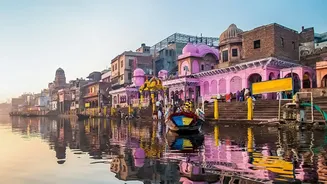
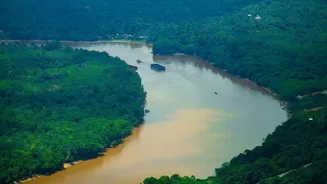
India is undertaking an ambitious mission to transform its vast network of rivers and canals into bustling transportation corridors. Under the National Waterways Act of 2016 and flagship programmes like Sagarmala and the Jal Marg Vikas Project (JMVP),
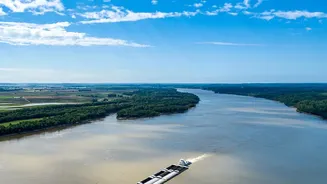
the government has identified 111 inland waterways for development. As of March 2026, 32 of these waterways were already operational for cargo and passenger movement, with plans to activate more in the coming years. The primary goal has been to shift heavy cargo from strained road and rail networks to a more cost-effective and environmentally friendly alternative. This move aims to significantly reduce India's high logistics costs and carbon footprint. A single barge can replace over a hundred trucks, dramatically easing road congestion.
Beyond Cargo: The Rise of Passenger Travel
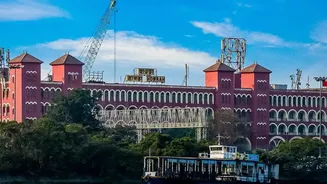
While cargo remains a priority, the expansion is increasingly focused on people. Passenger traffic on national waterways has seen explosive growth, jumping from 1.61 crore in 2023-24 to 7.6 crore in 2024-25. This isn't just about long-distance river cruises, which are also expanding, but about integrating water transport into daily commutes and regional travel. The key innovation here is the growing network of Roll-on/Roll-off (Ro-Ro) ferries. These vessels allow passengers to drive their cars, buses, and trucks directly onto the ferry and drive off at the destination. This seamlessly connects the water journey with the road network, creating a true multi-modal transport system.
Redefining the Journey: The 'Door-to-Door' Advantage
The headline's promise lies in rethinking what 'journey time' means. It’s not just about the hours spent on a plane or train, but the total time from your front door to your final destination. This is where waterways offer a unique advantage. A Ro-Ro ferry service, like the one between Ghogha and Hazira in Gujarat, reduces a 10-12 hour, 370-km road journey to a four-hour sea route. Similarly, the Mumbai to Mandwa ferry cuts a four-hour drive down to about an hour on the water. By bypassing congested highways and city traffic leading to airports and railway stations, these water routes can offer a faster, less stressful, and more predictable overall travel experience. The goal is to make the journey smoother by eliminating the frustrating 'last-mile' connectivity problems.
Current Routes and Future Vision
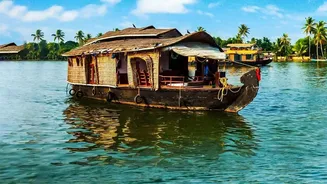
This vision is already taking shape in several states. Assam uses Ro-Ro vessels on the Brahmaputra (National Waterway 2) to connect Majuli island and Guwahati. Services are active in Kerala, Maharashtra, and Goa, significantly cutting down travel times. Under the Sagarmala programme, the government has identified numerous domestic routes for potential ferry services, connecting ports like Kochi, Mundra, and Jamnagar. The long-term vision aims to increase the share of inland water transport from its current 2% to 5% by 2030. The Union Budget for 2026-27 even proposed operationalising 20 new waterways, signalling strong continued commitment to this transport revolution.
Navigating the Challenges Ahead
Despite the progress, significant hurdles remain. Developing these waterways is a massive undertaking, requiring continuous dredging to maintain navigable depth, construction of terminals and jetties, and ensuring year-round viability, which can be affected by weather and water levels. Creating a robust ecosystem to compete with the deeply entrenched road and rail networks requires immense investment and coordination between central and state governments. Furthermore, ensuring these projects are environmentally sustainable and do not harm sensitive riverine ecosystems is a critical challenge that requires careful planning and execution.