




The Magic of Khus
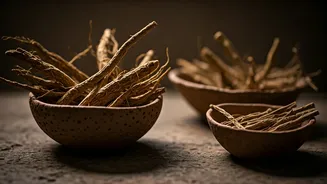
Vetiver, known in India as 'khus', is a perennial grass whose dense, fibrous root system has been cherished for centuries. Its deep, earthy, and woody fragrance is an iconic scent of the Indian summer and monsoon. Traditionally woven into mats ('khus
ki tatti') and hung in doorways, it releases a cool, fragrant breeze when sprinkled with water. Beyond its use in perfumes, sherbets, and essential oils, vetiver holds a special place in Ayurvedic and folk traditions for its calming and cooling properties. This isn't just a plant; it's a piece of cultural heritage, a natural air conditioner that predates modern technology. Its ability to thrive in various Indian climates makes it a truly local and sustainable resource for home wellness.
How Vetiver Improves Air Quality
The headline claim that vetiver roots 'purify' the air is rooted in a combination of traditional observation and modern science. While it may not replace a HEPA filter, its impact is significant. Firstly, its most celebrated quality is evaporative cooling. When wet, vetiver roots act like a natural humidifier and cooler, releasing moisture into the air and lowering the ambient temperature. This process makes heavy, humid air feel lighter and more pleasant. Secondly, vetiver is known for its aromatic properties. The essential oils in the roots contain compounds that release a clean, grounding scent, which acts as a natural deodoriser, masking musty odours common in damp weather. Finally, plants in the vetiver family are used in phytoremediation—the use of plants to clean contaminants from soil and water. While more research is needed on its direct impact on indoor air pollutants, its ability to absorb impurities in other contexts suggests a potential for helping to cleanse the air you breathe at home.
A Simple Guide to Using Vetiver
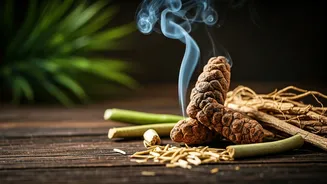
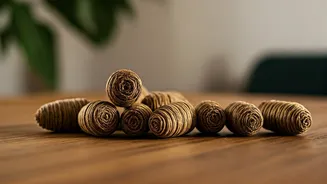
Incorporating vetiver into your home is simple and affordable. Here are a few effective methods to try: 1. **Root Bundles:** Purchase a bundle of dried vetiver roots. Tie them with a string and hang them in a window or near a fan. Spritz with water a few times a day to activate the cooling effect and release its signature scent. 2. **Water Bowls:** Place a handful of vetiver roots in a decorative bowl of water and keep it in your living room or bedroom. The water will slowly evaporate, cooling the space and scenting the air. Change the water every two days to keep it fresh. 3. **Vetiver Mats & Blinds:** For a more traditional approach, invest in a vetiver mat or blind. These can be hung in windows or doorways. A light spray of water turns any incoming breeze into a fragrant, cool zephyr. 4. **DIY Linen Spray:** Soak a small bundle of vetiver roots in a spray bottle filled with water for 24 hours. Use this infused water as a natural linen spray for your curtains, bedsheets, and cushions for a lasting, subtle fragrance.
Sourcing and Storing Your Roots
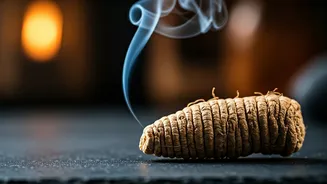
Finding high-quality, locally sourced vetiver is key. During the summer months, you can often find fresh or dried vetiver roots at local markets ('mandis'), Ayurvedic shops, or stores that sell 'pooja' items. When buying, look for roots that are fragrant and pliable, not overly dry or brittle. The aroma should be rich and earthy. Increasingly, you can also find ethically sourced vetiver from online retailers and organic stores that work directly with farming communities. To store your vetiver, keep the dried roots in a cool, dark place away from direct sunlight. They can be stored in a cloth bag to maintain their aroma. The roots can be reused multiple times. Simply rinse them under cool water to wash away any dust and let them dry before storing them again. Their fragrance will last for several months, and you can revive it with a quick soak in water.