





The Classic Stovetop Orange Pudding
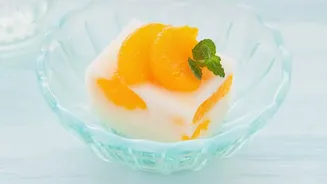
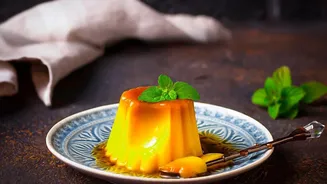
For a dessert that tastes like pure sunshine, look no further than a classic, creamy orange pudding. This stovetop version is wonderfully simple and relies on pantry staples to create a smooth, rich texture that carries the bright citrus flavor perfectly.
To begin, whisk together sugar, cornstarch, and a pinch of salt in a medium saucepan. This dry mix ensures the cornstarch dissolves without lumps. Slowly whisk in fresh orange juice until the mixture is smooth. Bring this to a boil over medium heat, stirring constantly to prevent scorching, and let it cook for about two minutes. In a separate bowl, lightly beat two large eggs. The key to a silky pudding is to temper the eggs: slowly whisk about a cup of the hot orange mixture into the eggs. This gently raises their temperature, preventing them from scrambling when added back to the pot. Pour the tempered egg mixture back into the saucepan, reduce the heat, and cook for another two minutes, stirring continuously until it thickens. Remove from the heat and stir in a tablespoon or two of butter and fresh orange zest until the butter is fully melted, giving the pudding a glossy finish. Pour into individual dishes and let it chill in the refrigerator for at least two hours until fully set. Serve with a dollop of whipped cream for a timeless treat.
The Magical Self-Saucing Pudding
A self-saucing pudding is pure kitchen magic. As it bakes, it cleverly separates into two distinct layers: a light, fluffy orange sponge on top and a warm, luscious orange sauce underneath. To start, preheat your oven to 180°C and grease an ovenproof dish. In a large bowl, whisk together self-raising flour and sugar. In a separate jug, combine melted butter, milk, an egg, and the finely grated zest of two oranges. Pour the wet ingredients into the dry and stir until you have a smooth batter, then spread it evenly in your prepared dish. For the sauce, sprinkle a mixture of caster sugar and cornflour over the top of the batter. Then, carefully pour a combination of boiling water and fresh orange juice over the back of a spoon onto the pudding. This gentle pouring technique prevents the batter from being disturbed. Bake for 25-35 minutes, or until the sponge is golden and well-risen. Let it stand for a few minutes before serving warm, spooning the hidden sauce from the bottom of the dish over each portion.
The Rich and Decadent Chocolate Orange Pudding
The combination of dark chocolate and zesty orange is a classic for a reason. This baked pudding is rich, moist, and deeply satisfying, making it an ideal dessert for a special occasion or a cozy night in. Begin by melting dark chocolate, either in a heatproof bowl over simmering water or carefully in the microwave. While the chocolate cools slightly, whisk together the batter. In a large bowl, combine self-raising flour, cocoa powder, sugar, and orange zest. In another bowl, mix the wet ingredients: melted butter, milk, and eggs. Combine the wet and dry ingredients, then fold in the melted chocolate until the batter is smooth and glossy. Pour this into a greased baking dish. For a self-saucing version, you can sprinkle a mix of brown sugar and cocoa powder over the batter, then gently pour over a mixture of boiling water and orange juice. Bake for 30-40 minutes at 180°C. The result is an intensely flavorful pudding that is best served warm, perhaps with a scoop of vanilla ice cream or a drizzle of cream to cut through the richness.
The Light and Airy Orange Mousse
When you crave a lighter dessert that still delivers on flavour, an orange mousse is the perfect answer. This no-bake option is airy, elegant, and surprisingly easy to prepare. Some simple versions require only three ingredients: fresh oranges, condensed milk, and heavy whipping cream. Start by whipping chilled heavy cream in a cold bowl until stiff peaks form. In a separate bowl, mix freshly squeezed orange juice with sweetened condensed milk. Gently fold the orange juice mixture into the whipped cream until just combined, being careful not to deflate the air. For a more traditional mousse with a custard base, whisk eggs, sugar, and cornstarch in a saucepan before slowly adding orange juice. Cook over medium heat, stirring constantly, until it thickens, then let it cool completely before folding in the whipped cream. Regardless of the method, spoon the finished mousse into serving glasses and refrigerate for at least two to three hours to allow it to set firmly. Garnish with a slice of orange or some extra zest before serving for a refreshing and sophisticated end to any meal.