







A Shaky Start in the Caribbean
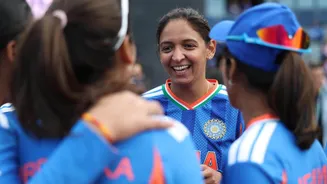
November 9, 2018. Providence Stadium, Guyana. The air was thick with the anticipation that always accompanies the first match of a major tournament. India, led by Harmanpreet Kaur, was taking on a formidable New Zealand side in the opener of the ICC Women's
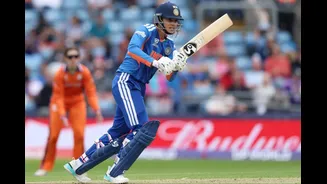
World T20. After being put in to bat, the Indian top order crumbled. Taniya Bhatia, Smriti Mandhana, and Dayalan Hemalatha were all back in the dugout with just 40 runs on the board in the sixth over. The innings was adrift, the pressure was mounting, and India needed a captain's knock not just to stay afloat, but to post a competitive total.
The Counter-Attack Unleashed
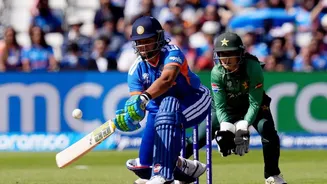
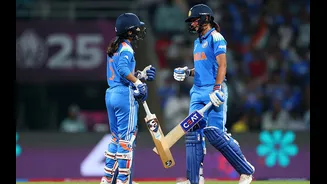
Enter Harmanpreet Kaur. She didn't come to the crease to consolidate; she came to dominate. Paired with the young and talented Jemimah Rodrigues, Kaur chose aggression as her only defence. She absorbed the pressure for a few deliveries before deciding the best way forward was to attack. The New Zealand bowlers, who had been in complete control, suddenly found themselves on the back foot. Kaur used her powerful bottom-hand technique and immense strength to launch the ball over the ropes. It wasn't just hitting; it was a statement. She was taking the game by the scruff of its neck, transforming a precarious situation into a platform for an all-out assault.
A Partnership Forged in Fire
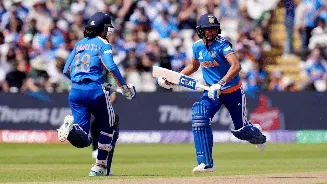
While Kaur was the aggressor, Jemimah Rodrigues played the perfect foil. The teenager showed maturity beyond her years, rotating the strike, finding the gaps, and ensuring the scoreboard kept ticking. This allowed Harmanpreet to play her natural game without having to worry about the run rate stagnating. Their partnership of 134 runs was a masterclass in T20 batting. Rodrigues’ calm and collected 59 off 45 balls was crucial, but the world’s attention was fixed on the fireworks at the other end. Kaur was in a different zone, seeing the ball like a football and dispatching it with contemptuous ease.
Powering Through the Pain Barrier
As the innings progressed into the sweltering Caribbean afternoon, the physical toll began to show. Harmanpreet started suffering from severe cramps and was visibly in pain. Lesser players might have retired hurt or slowed down. Instead, she decided running between the wickets was no longer an option. Her solution was simple and brutal: deal only in boundaries. Leaning on her bat between deliveries, she would summon immense energy to send the next ball sailing into the stands. It was an incredible display of mental fortitude and raw power, turning a physical limitation into a strategic advantage. She hit an astonishing eight sixes in her innings, many of them coming after the cramps set in.
A Historic Hundred
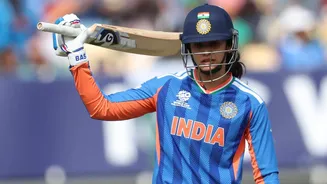
In the 19th over, the moment of history arrived. With a quick single, Harmanpreet Kaur reached her hundred. She raised her bat not just to a cheering crowd in Guyana, but to a nation of cricket fans watching in awe. She had scored 103 runs from just 51 deliveries. It was a monumental achievement: she became the first Indian woman to score a century in T20 International cricket. While Suresh Raina was the first Indian player to hit a T20I ton, Kaur's knock was a landmark moment for women's cricket in the country, breaking a significant barrier and setting a new benchmark for power and ambition.
The Legacy of an Unforgettable Knock
Thanks to her heroic effort, India posted a mammoth 194/5, a total they defended comfortably to win the match by 34 runs. But the impact of that innings went far beyond a single victory. It set the tone for India's campaign and sent a message to the rest of the world. More importantly, it cemented Harmanpreet Kaur's status as one of the most destructive batters in the global game. That knock was a perfect encapsulation of her cricketing philosophy: fearless, aggressive, and game-changing. It inspired a generation of young cricketers in India, proving that they could not only compete with but also dominate the best in the world.