






India's digital infrastructure is on the brink of a massive transformation. A new report from CRISIL Ratings projects that the nation's data centre industry could attract over Rs 3 lakh crore in investments by March 2030.
The Trillion-Rupee Digital Boom
The staggering Rs 3 lakh crore
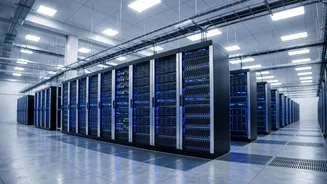
figure signals an investment 'supercycle', according to CRISIL. This boom is expected to increase India’s data centre capacity five-fold, from around 1.5 GW in 2026 to approximately 7.5 GW by 2030. To put that in perspective, this expansion is the physical backbone required to power an economy increasingly driven by digital services. It’s the engine room for everything from the apps on our phones to complex corporate and government operations, reflecting a fundamental shift where data infrastructure is now viewed as a strategic national asset.
What's Fuelling the Surge?
Several powerful forces are converging to drive this unprecedented growth. The primary catalyst is the explosive demand for data processing, fuelled by the widespread adoption of generative artificial intelligence (GenAI), enterprise digitalisation, and soaring data consumption from over a billion internet users. Global hyperscalers—the tech giants that dominate cloud services—are major drivers, with their need for immense computing capacity for AI workloads leading them to pre-book large portions of upcoming data centres. Furthermore, India’s structural cost advantages, including development costs that are about 20% lower than competing Asian markets and rental rates that are 30-35% cheaper, make it a highly attractive destination.
From Investment to Infrastructure
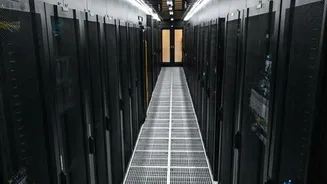
This investment isn't just an abstract number; it translates into massive physical infrastructure. The projected 7.5 GW capacity will be concentrated in key hubs. Mumbai, Chennai, and Hyderabad are expected to house nearly three-fourths of the upcoming capacity. The scale of this buildout is de-risked by strong demand visibility; nearly half of the upcoming capacity is already tied up in long term contracts of 15–20 years, a significant increase from the previous 10–12 year standard. This gives developers revenue certainty before construction even finishes. Major players like AdaniConneX, Nxtra Data, and global firms such as STT GDC and Equinix are at the forefront of this expansion.
Navigating the Bottlenecks
However, this rapid expansion is not without its challenges. The most significant hurdle is power. The immense energy required by these facilities is creating a bottleneck, demanding timely grid connectivity and major transmission upgrades. In cities like Visakhapatnam, Mumbai, and Hyderabad, the new data centres could eventually consume a significant portion of their current peak power demand, highlighting the strain on existing infrastructure. Other challenges include securing suitable land, ensuring adequate water for cooling systems, and the need for a highly skilled workforce to manage these advanced facilities.
The Broader Economic Impact
The ripple effects of this investment extend far beyond the tech sector. Building and operating these data centres will create significant opportunities for a wide range of industries, including construction, power equipment suppliers, and specialised engineering services. This boom reinforces India’s position as a global technology hub, reducing its reliance on other nations for data storage and processing. For the average citizen, it means faster and more reliable access to digital services, from streaming and online gaming to digital payments and AI–driven applications. It solidifies the foundation of the Digital India initiative, ensuring the country has the domestic infrastructure to support its digital ambitions for years to come.