





The Rising Cost of Celebration
As families across India prepare for a season of celebration, they are navigating a complex economic landscape. Recent data from September 2026 shows a noticeable uptick in food inflation, which stood at 7.74 percent. This is not a uniform rise; while
prices for staples like potatoes and tomatoes have seen some relief, other essentials have become significantly more expensive. For instance, onion prices saw a staggering 108 percent year-on-year increase, with garlic and lemon prices also climbing sharply. This pressure on household budgets comes at a time when overall urban festive spending is projected to see a slight decline. According to a LocalCircles survey, total spending is estimated to fall by 6 percent to ₹1.97 lakh crore in 2026, as households exercise greater caution with discretionary purchases due to inflation.
Retailers Respond with Bundled Bargains
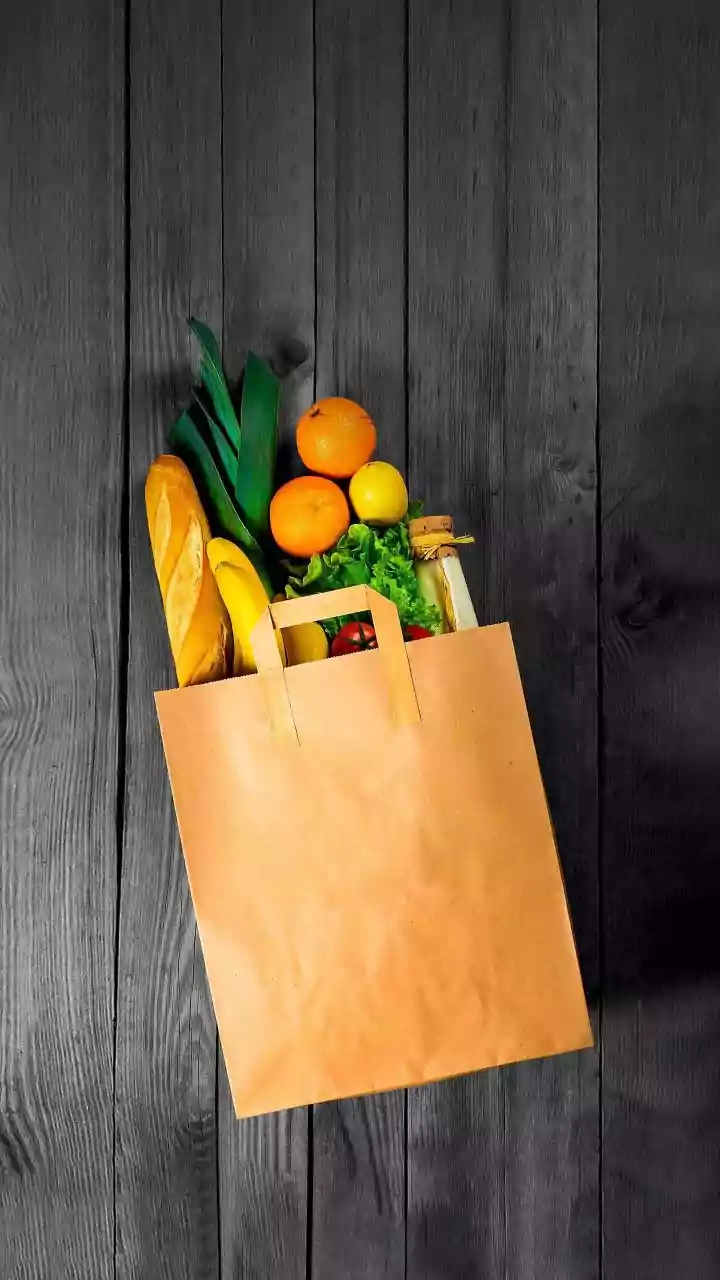
In response to this cautious consumer sentiment, retailers are increasingly turning to a time-tested strategy: the value bundle. From local kirana stores to large e-commerce platforms like Amazon, 'festive combos' and 'grocery bundles' are being prominently featured. These packages group together various festive and everyday essentials—such as cooking oils, ghee, flour, pulses, spices, and dry fruits—at a consolidated, often discounted, price. This approach serves a dual purpose. For consumers, it simplifies shopping and offers the perception of a good deal, helping them manage their festive grocery bills in one go. For retailers, it is a strategic move to secure a larger share of the shopper's wallet, increase the average order value, and move inventory across multiple product categories. Online grocery, in particular, is a fast-growing segment, with festive sales in this category projected to grow by nearly 50 percent in 2026.
Unpacking the Value Bundle
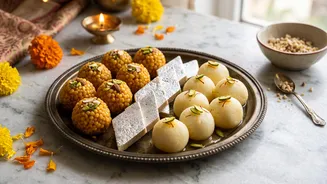
What exactly is inside these festive bundles? The contents vary widely, catering to different needs, from daily cooking to festive gifting. Some bundles focus on core kitchen staples like pulses, spices, and ghee, designed for households stocking up for elaborate festive meals. Others are curated as gift hampers, featuring premium items like dry fruits, nuts, specialty teas, and imported chocolates. Brands are creating thoughtful assortments that go beyond just one meal, including items for morning chai, evening snacks, and main courses, reflecting the reality of festive hospitality where guests arrive at all hours. For example, a typical combo might include Ghee Ariselu, Sanna Khara (Bhujia), mango pickle, and various rice pastes for quick, authentic meals. This bundling strategy taps into a key consumer insight: a preference for guaranteed rewards over uncertain chances, with one survey showing 73.2% of consumers prefer an assured reward.
Are These Deals Right for You?
While bundles offer convenience and apparent savings, the smart shopper's mantra remains 'buyer beware'. The most attractive discount might not always be the best value. Experts advise consumers to compare unit prices—per kilogram or per litre—to determine the actual cost-effectiveness. A large discount on a smaller pack can sometimes be more expensive than a larger pack with a smaller percentage off. It is also essential to check the manufacturing and expiry dates of all items within the bundle to ensure freshness, especially for perishable goods. Ultimately, the best bundle is one that contains products your family will actually use. While consumer sentiment is strong, with over 91 percent of consumers expecting to spend the same or more this festive season, the trend is toward more mindful spending. Value bundles are a direct reflection of this, offering a practical way for families to embrace the festive spirit without breaking the bank.