

The Anatomy of a Balanced Meal
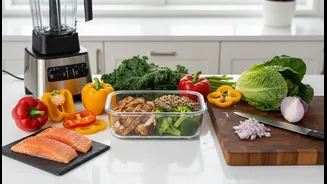
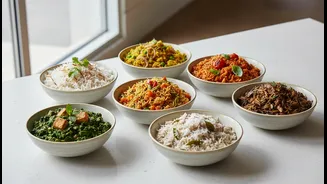
Before you can cook with confidence, it helps to know your goal. A balanced meal doesn’t have to be complicated. Think of it as a simple formula that ensures you’re getting a mix of nutrients to keep you full and energised. Each plate should ideally include
a source of protein (like dal, chickpeas, or paneer), a complex carbohydrate for energy (like rice, roti, or millets), and a variety of vegetables for fibre and vitamins. A little healthy fat, like ghee or oil, helps it all come together. This framework is your basic map for building a meal.
Building a Smart Indian Pantry
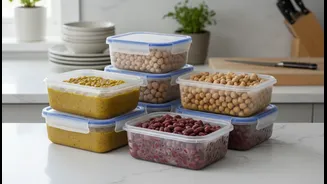
A confident cook starts with a well-stocked kitchen. Having the right staples on hand removes the stress from mealtime. Focus on versatile items that form the foundation of many Indian dishes. For grains, basmati rice and whole wheat flour (atta) are essential. For protein, stock up on a variety of lentils (like toor and masoor dal), and legumes like chickpeas and kidney beans. Canned tomatoes and coconut milk provide a quick base for countless curries and gravies. Finally, essentials like onions, ginger-garlic paste, ghee, and cooking oil are the workhorses of the Indian kitchen.
The ‘Grain + Protein + Veggie’ Formula
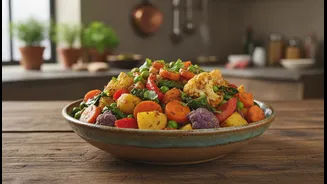
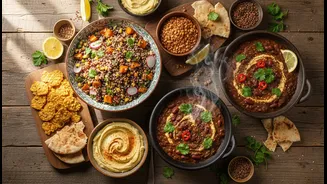
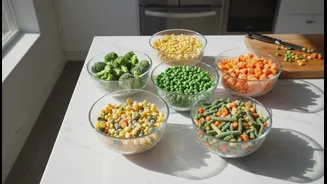
Here is a simple, flexible approach to turn your pantry items into a complete meal. Start with a grain base like rice or quinoa. Next, add a protein. This could be a quick dal made from red lentils, a chana masala using canned chickpeas, or even a simple egg bhurji. Finally, incorporate vegetables. While fresh is great, don't underestimate frozen vegetables like peas or corn, which are just as nutritious and ready to go. This modular approach allows you to mix and match based on what you have, ensuring a balanced and satisfying meal without a strict recipe.
Unleash Flavour from Your Masala Dabba
The true secret to transforming basic ingredients lies in your spice box. You don't need dozens of exotic spices to make food taste good. A few key players can do all the work. Turmeric, cumin seeds, coriander powder, and red chilli powder form the backbone of many Indian dishes. Garam masala, a finishing spice blend, can instantly add warmth and complexity to a simple dal or vegetable stir-fry. Learning how to temper spices (tadka) in hot oil or ghee is a fundamental technique that releases their aroma and flavour, making even the simplest meal feel special.
Clever Hacks for Extra Flavour
Once you've mastered the basics, a few extra tricks can elevate your pantry cooking. A squeeze of lemon or a spoonful of yogurt can brighten up a rich curry or dal. Pickles (achaar) and chutneys are not just condiments; they can be powerful flavour boosters. A small amount can add a complex hit of salty, sour, and spicy notes to a meal. Don’t be afraid to experiment. That half-empty jar of pasta sauce can be spiced up to become a base for a quick egg curry. Leftover rice can be transformed into a flavourful fried rice with a few spices and veggies. The possibilities are endless when you see your pantry as a source of potential.