





What is a 'Balanced Plate'?
In recent years, health authorities worldwide have promoted visual guides for healthy eating. Models like the Harvard Healthy Eating Plate or India's own 'My Plate for the Day' from the National Institute of Nutrition (NIN) simplify complex dietary advice.
They typically recommend filling half your plate with vegetables and fruits, a quarter with whole grains, and the final quarter with healthy protein. The goal is to ensure a balanced intake of macronutrients (carbohydrates, proteins, fats) and micronutrients (vitamins, minerals) without complicated calorie counting. These frameworks are designed to be simple, visual reminders for creating healthy meals, encouraging portion control and nutrient diversity.
The Original Balanced Meal: The Indian Thali
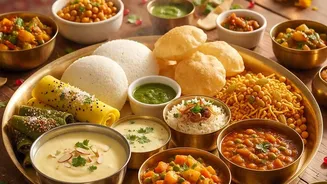
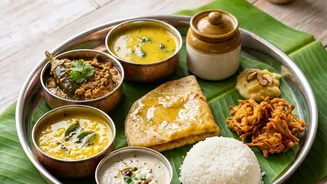
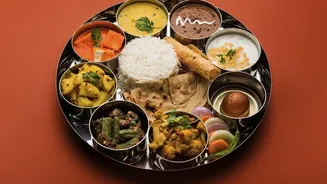
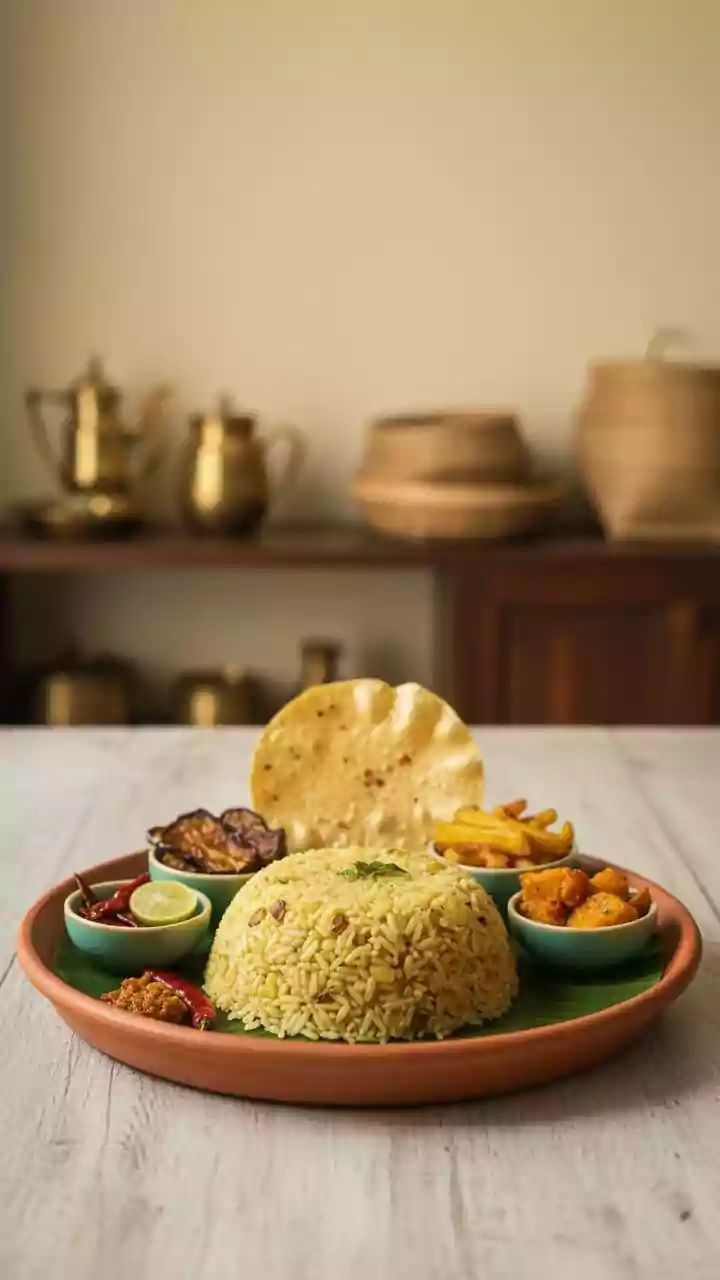
Long before these modern plates were conceived, India had its own version: the thali. Far from being a random assortment of dishes, a traditional thali is a complete nutritional system refined over generations. It is built on the principle of serving a variety of items at once to create a wholesome, satisfying meal. A typical thali features a source of carbohydrates like roti or rice, a protein foundation from dal or legumes, seasonal vegetables (sabzi) for vitamins and minerals, and a serving of curd (dahi) for probiotics and calcium. This structure inherently delivers a mix of essential nutrients in a single meal.
A Symphony of Science and Tradition
The parallels between the modern balanced plate and the traditional thali are striking. The quarter-plate of protein in a modern guide is perfectly mirrored by the katori of dal. The combination of lentils and grains (like dal and roti) creates a 'complete protein' by providing all essential amino acids, a concept modern nutritionists champion. The half-plate of vegetables recommended by Harvard aligns with the generous serving of sabzi and salad that accompanies a traditional meal. The portion of whole grains like millets or whole wheat roti fits the carbohydrate quarter, while curd serves as a source of both protein and probiotics, aiding gut health. Even the small accompaniments have a scientific basis: a dollop of ghee helps absorb fat-soluble vitamins, while a fermented pickle can provide digestive enzymes.
More Than Just Food Groups
The wisdom of Indian dining goes even deeper. The ancient Ayurvedic concept of 'Shad Rasa', or the six tastes (sweet, sour, salty, pungent, bitter, and astringent), is central to creating a satisfying meal. A traditional thali aims to include all six tastes, which Ayurveda suggests is key to feeling full and preventing cravings. For example, the meal might have the sweetness of grains, the sourness of tamarind in rasam, the saltiness of the dal, the pungency of spices, the bitterness of greens, and the astringency of lentils. This holistic approach, which considers flavour and satisfaction alongside nutrition, is a level of sophistication modern frameworks are only just beginning to appreciate.
Reclaiming Heritage in a Modern World
If this wisdom is so deeply ingrained in our culture, why do we need modern reminders? Over time, urban lifestyles have led to a drift from the traditional ideal. The modern thali often features larger portions of refined grains like white rice and smaller, token servings of dal and vegetables. Home-set curd has been replaced by packaged versions, and diverse, seasonal millets have given way to a monoculture of wheat and white rice. In this context, the 'balanced plate' framework is not a foreign concept to be adopted, but a useful tool to help us return to the nutritional logic of our own heritage. It encourages us to re-balance our plates, increasing vegetable and protein intake while managing our consumption of refined carbohydrates—essentially, to eat more like our grandparents did.