


A Landscape Reborn
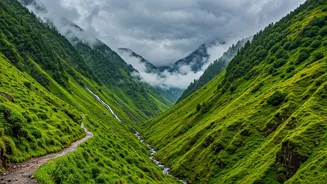
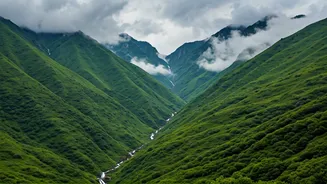
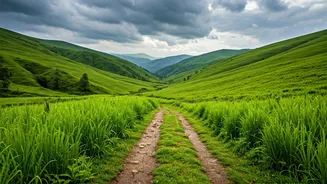
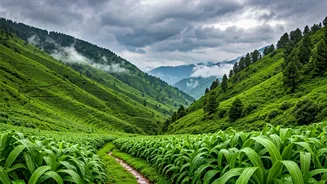
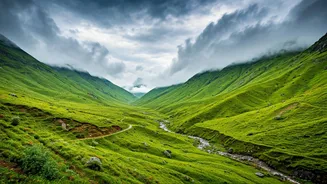
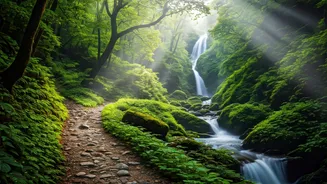
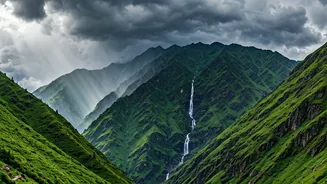
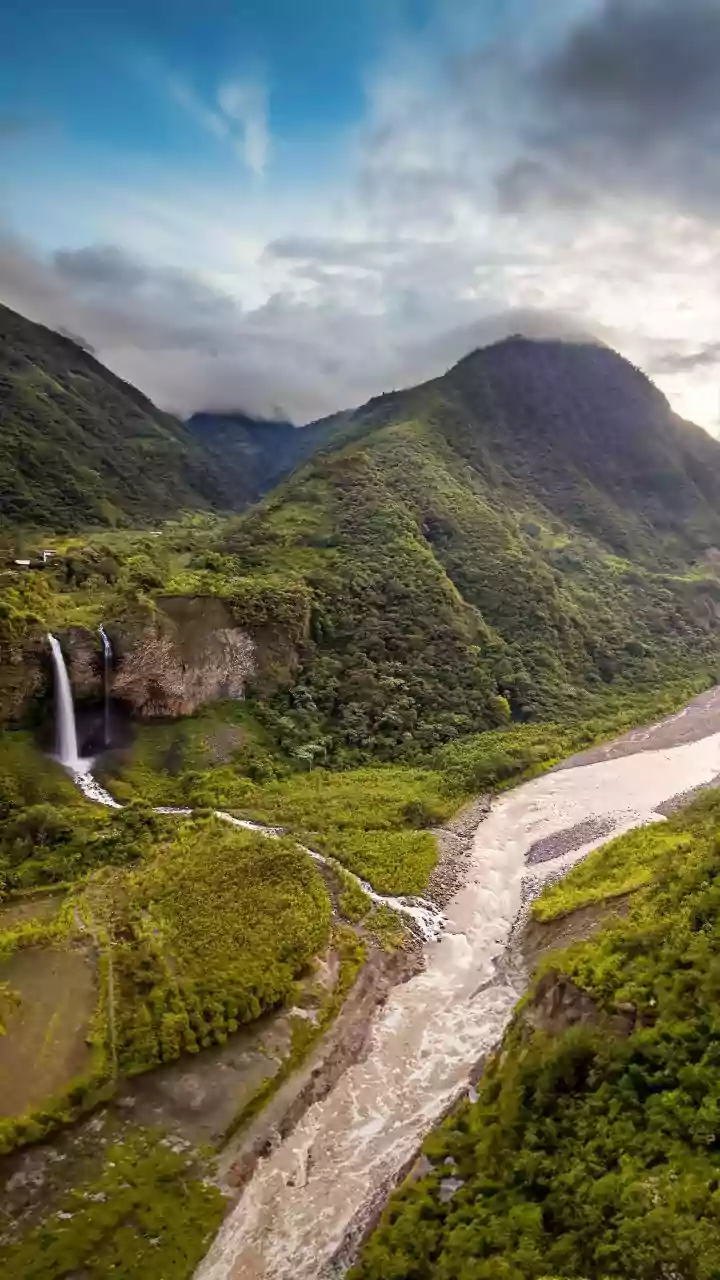
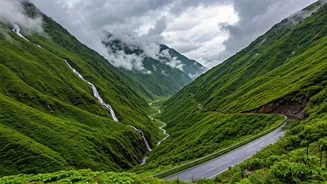
The annual monsoon, arriving between June and September, is more than just rain; it's a personality shift for the entire region. The scorching summer heat gives way to cool, fragrant air. Hillsides that were brown and weary burst into countless shades
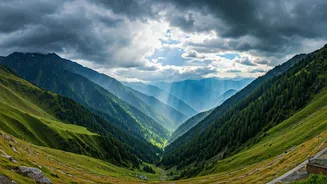
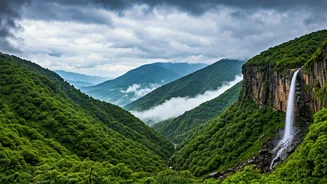
of green. Waterfalls, once mere trickles, roar back to life, carving dramatic paths down the mountainsides. It is a time when the land feels freshly washed and reset. This seasonal spectacle turns familiar places like Mussoorie and Dalhousie into ethereal landscapes, draped in mist and offering a profound sense of peace that the crowded summer months can't match. This transformation offers a more intimate and reflective travel experience, focused on soaking in the moods and sounds of nature.
The Allure of the Off-Season
For many, monsoon is considered the 'off-season' for mountain travel, a perception that savvy travellers can use to their advantage. The usual summer crowds have thinned, leading to quieter trails, more personal interactions, and a greater sense of discovery. This is the time to find yourself alone in a cafe in Dharamkot, watching the clouds roll through the Kangra Valley, or exploring the colonial architecture of Kasauli without the usual hustle. Accommodations are often more affordable and readily available. This period provides a chance to see popular destinations like Manali and Shimla in a different, more tranquil light, as they revert to their calmer, local rhythms. It’s an experience that feels less like tourism and more like a genuine escape.
Destinations that Shine in the Rain
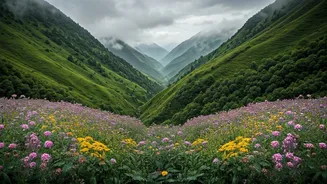
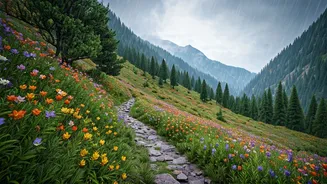
While some parts of the Himalayas become inaccessible, others come into their own. The Valley of Flowers in Uttarakhand is a prime example—a UNESCO World Heritage Site that only blooms during the monsoon, offering a spectacular carpet of alpine flowers from July to August. Lesser-known spots like Binsar Wildlife Sanctuary in Uttarakhand offer a unique chance to see wildlife against a lush backdrop. In Himachal Pradesh, the area around Dharamshala and McLeod Ganj becomes exceptionally beautiful, with treks like the one to Triund offering cinematic views of the Dhauladhar range peeking through clouds. For those seeking drier climes, the rain-shadow regions of Spiti Valley and Ladakh remain largely arid and accessible, making them ideal for monsoon adventures.
Embrace the Monsoon Experience
The magic of a monsoon trip isn't just in the views; it's in the experiences. It's about savouring a hot cup of chai and a plate of pakoras while watching the rain fall outside. It's the simple joy of reading a book by a window as mist curls around the pine trees. This season encourages a slower pace of travel. Explore the vibrant cafe culture in places like McLeod Ganj, wander through the rain-washed markets, or simply sit and appreciate the calming sound of raindrops on a tin roof. The air is filled with the earthy scent of petrichor, and every moment feels more vivid, from the taste of local delicacies to the sight of clouds drifting below your viewpoint.
Travel Smart, Travel Safe
While enchanting, monsoon travel in the mountains requires caution. Landslides and road blockages are real risks, especially in July and August. The India Meteorological Department (IMD) has issued advisories for hill states, warning of persistent rainfall and the associated dangers. Always check the latest weather forecasts and road conditions before and during your trip. It's wise to build buffer days into your itinerary for unexpected delays. Pack waterproof jackets, non-slip footwear, and a dry bag for electronics. Avoid trekking during heavy downpours and never attempt to cross flooded streams. By taking sensible precautions, you can ensure your journey remains magical and safe.