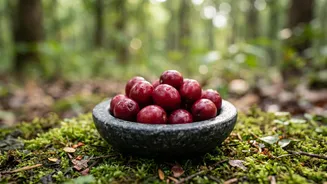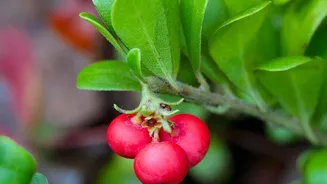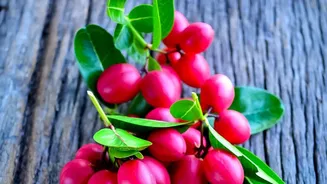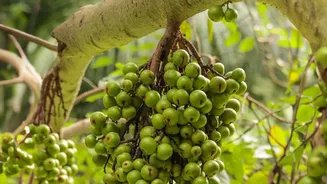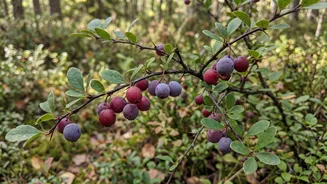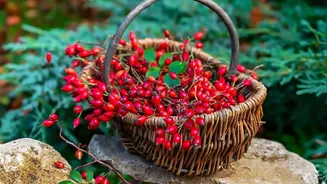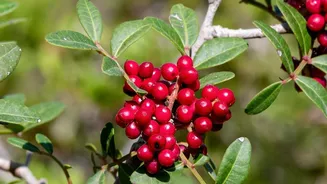





Deep in the rugged Dang region of Karauli, Rajasthan, a wild-harvested fruit is gaining attention. Known locally as the 'apple of the forests', this wild 'beri' is celebrated for its resilience and flavour, but what about its health claims?
The Forest's Hardy Treasure
The wild berry
in question is most commonly the Indian jujube, known botanically as Ziziphus mauritiana or its wilder, shrubbier cousin Ziziphus nummularia. In Hindi, it's simply called 'ber' or 'beri'. Thriving in arid and semi-arid climates, this plant is a survivor, producing fruit without needing cultivation, irrigation, or fertilisers. For generations, local communities in Rajasthan have cherished this fruit, which ripens during the winter. It has a distinctive sweet and sour taste and a crisp texture reminiscent of an apple. Beyond being a seasonal snack for villagers and herdsmen, the fruit is steeped in cultural and mythological significance, most famously linked to the story of Shabari offering berries to Lord Ram in the Ramayana.
Unpacking the 'Superfood' Claims
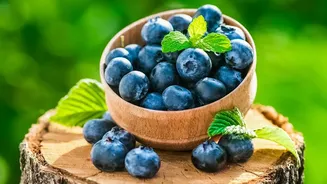
As with many traditional foods, the wild ber is now being viewed through a modern wellness lens. It is often promoted as a nutritional powerhouse. The most common claims suggest it is exceptionally high in Vitamin C, packed with antioxidants, a great source of dietary fibre, and an effective immunity booster. These assertions place it in the popular 'superfood' category, alongside more globally recognized berries like blueberries and goji berries. Traditional Ayurvedic and Unani systems have long used various parts of the Ziziphus plant for medicinal purposes, citing benefits for digestion, skin health, and even as a calming agent.
The View from Traditional Knowledge
The long-standing use of ber in traditional Indian medicine provides a strong foundation for its perceived health benefits. For centuries, practitioners have used the fruit, leaves, and bark to treat ailments ranging from digestive issues to skin wounds. This historical use is a valuable indicator of the plant's bioactive properties. Traditional knowledge systems operate on generations of empirical evidence—observing what works within a community. In this context, the ber is considered a cooling food that purifies the blood and aids overall wellness. This cultural endorsement is significant, but it operates differently from the rigorous standards of modern nutritional science.
Where's the Specific Evidence?
This is where the headline's crucial point comes into play. While the ber fruit is undoubtedly nutritious, many of the extraordinary claims lack validation from large-scale clinical trials on humans. Scientific reviews of Ziziphus nummularia confirm the presence of promising compounds like flavonoids, saponins, and antioxidants. Laboratory and animal studies have shown potential anti-inflammatory, antioxidant, and antimicrobial effects. For example, some studies suggest it may help regulate blood sugar or protect the liver. However, these are preclinical findings. To definitively state that the berry 'boosts immunity' or 'prevents disease' requires specific, peer-reviewed human studies that measure these outcomes. While one analysis shows Indian jujube is a good source of Vitamin C, providing a significant portion of the daily requirement, claims beyond its basic nutritional profile remain largely in the realm of traditional use and preliminary research.
A Balanced Bite: How to Approach Wild Berries
So, should you seek out the wild ber of Karauli? Absolutely, but with a balanced perspective. Enjoy it as a delicious, seasonal fruit with a rich cultural history and a solid nutritional profile. It is a healthy, low-calorie snack rich in fibre and vitamins. However, it's wise to be skeptical of promises that frame it as a miracle cure. The gap between a traditional remedy and a scientifically-proven one is often a matter of funding and research focus, not necessarily effectiveness. But until that research is done, the claims remain just that. Incorporate ber into your diet as you would any other fruit—as part of a varied and balanced eating plan—rather than relying on it to achieve specific, therapeutic health outcomes.