







The Trophy, The Thief, and The Dog
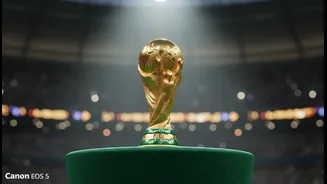
Imagine the scene: it’s 1966, England is hosting the World Cup, and the Jules Rimet trophy, the sport's ultimate prize, gets stolen from a public exhibition. A nationwide panic ensued, with Scotland Yard launching a massive investigation. A week later,
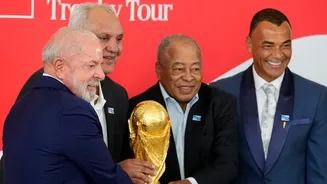
the mystery was solved not by a seasoned detective, but by a dog named Pickles. While out for a walk in South London, the clever collie sniffed out the trophy, wrapped in newspaper and hidden under a bush. Pickles became a national hero and was even invited to the celebratory banquet after England won. Bizarrely, this wasn't the trophy's last adventure. After Brazil won it permanently in 1970, it was stolen again in 1983 from Rio de Janeiro. This time, there was no Pickles to save the day; the trophy was never seen again and is believed to have been melted down.
India’s World Cup That Never Was
Here’s a piece of trivia that hits close to home for Indian fans. India actually qualified for the 1950 FIFA World Cup in Brazil. With other nations in their qualification group withdrawing, India had a free pass to the biggest stage. So why have we never seen India in a men’s World Cup? The team withdrew before the tournament began. For years, the popular myth was that India pulled out because FIFA wouldn't let the team play barefoot, a style some Indian players preferred at the time. However, the reality is more complex. The All India Football Federation (AIFF) cited several reasons, including high travel costs (despite FIFA offering to cover a large portion), disagreements over team selection, and, crucially, a preference for the Olympics, which was considered more prestigious in India at the time.
The Prince Who Overruled a Referee
In one of the most surreal moments in sports history, a member of royalty directly intervened in a match. During the 1982 World Cup in Spain, France was comfortably leading Kuwait 3-1. When France scored a fourth goal, the Kuwaiti players furiously protested, claiming they had stopped playing after hearing a whistle from the crowd. As the referee stood his ground, Sheikh Fahad Al-Ahmad Al-Sabah, the head of the Kuwaiti Football Association and a prince, came down from the stands, walked onto the pitch, and argued with the referee. In an astonishing turn of events, the referee buckled under the royal pressure and disallowed the goal. The bizarre intervention ultimately didn't matter—France scored again a few minutes later and won the match 4-1—but it remains an unparalleled example of off-field power influencing on-field decisions.
The Fastest Exit in History
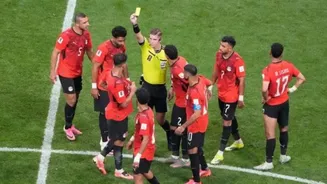
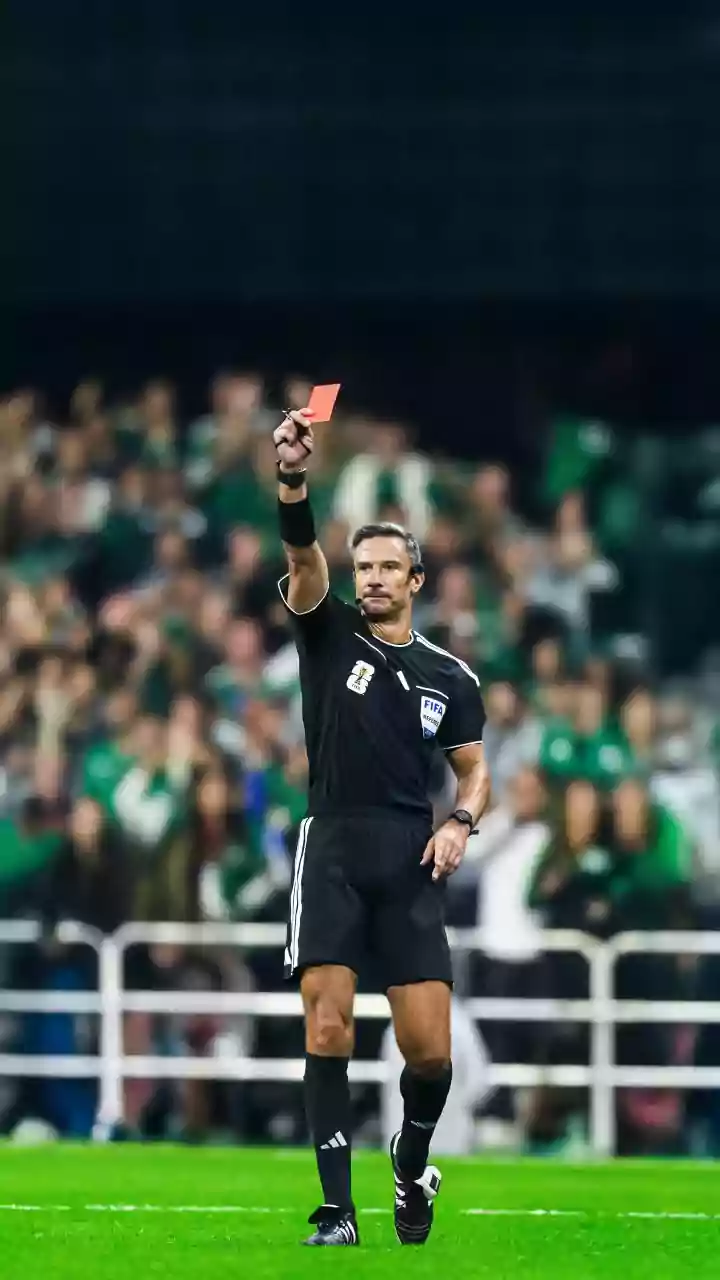
Some records are made to be broken, but Uruguayan defender José Batista might hope this one stands forever. In a 1986 group stage match against Scotland, Batista cemented his place in World Cup infamy by receiving the fastest red card in the tournament's history. The match had barely begun when, after just 56 seconds, he launched into a brutal tackle on Scottish midfielder Gordon Strachan. The French referee didn't hesitate, brandishing a straight red card before the first minute had even passed. Despite playing with a one-man advantage for nearly the entire game, Scotland couldn't break the deadlock, and the match ended in a 0-0 draw, which saw the Scots eliminated. Batista, meanwhile, was out of the game before he'd even had a chance to break a sweat.
A Final Decided by Two Balls
The very first World Cup final in 1930 between hosts Uruguay and Argentina had a dispute before a single kick was made. The issue? The match ball. Both teams insisted on using their own ball, unable to agree on whose was superior. In a compromise that seems unthinkable today, FIFA President Jules Rimet intervened. He decreed that Argentina's ball would be used for the first half, and Uruguay's would be used for the second. The decision appeared to have a significant impact. Argentina led 2-1 at halftime while using their ball. After the switch, Uruguay stormed back with their own ball, scoring three goals to win the inaugural World Cup with a 4-2 victory.
The Case of the Fainting Physio
The 1930 World Cup in Uruguay was a wild affair, but perhaps no incident was more comically strange than what happened to the USA team's physio. During their semi-final match against Argentina, an American player went down with an injury. The physio, Jack Coll, rushed onto the field to treat him. In his haste, he dropped his medical bag. The bag contained several items, including a bottle of chloroform, which broke upon impact. As Coll bent down, he inhaled a lungful of the potent anaesthetic fumes and promptly passed out on the pitch, requiring medical attention himself. The injured player had to wait as the medical staff attended to their own unconscious colleague in a scene of pure slapstick.