


Why the Rains Demand a Sweet Reward
The connection between the monsoon and food is deeply ingrained in Indian culture. After the oppressive heat of summer, the rains bring rejuvenation and a cause for celebration. This joy often translates into a desire for specific foods, from spicy pakoras
to an array of traditional desserts. Ayurvedic tradition also plays a role; it's believed that the humid, damp weather can cause imbalances in the body, and warm, rich foods made with ghee and milk are thought to be nourishing and grounding. This creates the perfect storm of cultural tradition, sensory craving, and seasonal logic, turning sweet shops and home kitchens into battlegrounds for the title of the ultimate monsoon dessert.
In This Corner: The Majestic Ghevar
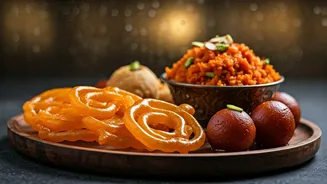
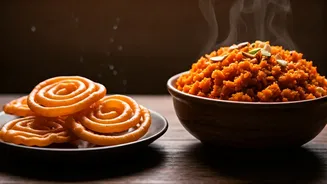
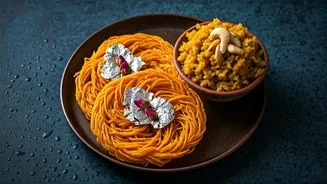
For many, the monsoon is synonymous with one sweet: Ghevar. This Rajasthani delicacy is a disc-shaped marvel with a distinctive honeycomb texture, created by deep-frying a batter of flour and ghee. It is then soaked in sugar syrup and often topped with rabri (thickened sweet milk), nuts, or silver leaf. Ghevar's appearance in shops is a clear sign that the monsoon has arrived. Its preparation is notoriously dependent on the weather; the high humidity of the rainy season is essential to achieve its signature crispy-yet-soft texture, as the batter can dry out too quickly in other conditions. This technical necessity has cemented its status as a seasonal specialty, making every bite feel precious. It is traditionally associated with monsoon festivals like Teej and Raksha Bandhan, where it is shared as a gift symbolising love and goodwill.
And Its Challenger: The Humble Malpua
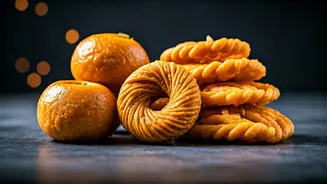
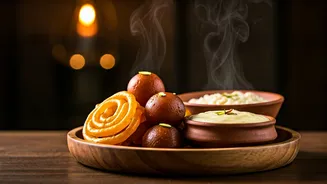
In the other corner is the malpua, a dessert with a much wider, more pan-Indian footprint. Often described as an Indian pancake, these small, fluffy discs are made from a batter of flour, semolina, and sometimes mashed banana, which is then deep-fried and dunked in fragrant sugar syrup. Unlike the architecturally complex Ghevar, malpua represents pure, unadulterated comfort. It is soft, syrupy, and deeply satisfying, especially when served warm and paired with a dollop of cold rabri. While enjoyed during various festivals throughout the year, malpua becomes a crowd favourite in many regions during the monsoon, offering a simple, heart-warming antidote to the grey, rainy days.
The Undeniable Appeal of Hot Jalebi
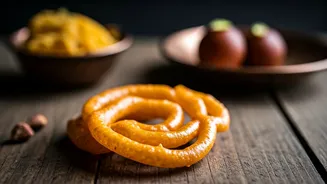
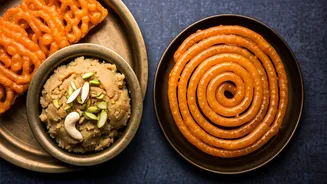
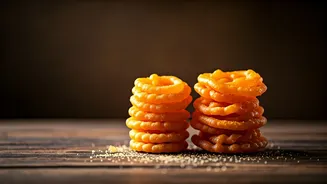
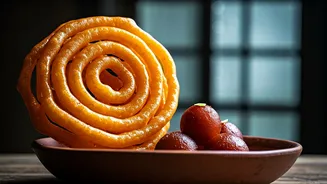
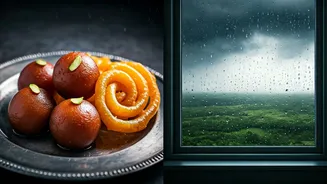
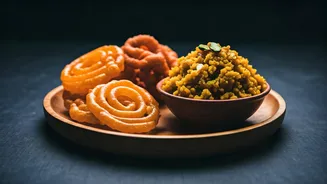
No monsoon dessert debate would be complete without mentioning the sizzling sound of jalebi batter hitting hot oil. These bright orange spirals of deep-fried, fermented batter are soaked in syrup and offer a delightful combination of crispiness and chewiness. The experience of eating warm, freshly made jalebi, perhaps with a side of creamy rabri to create a contrast of temperatures and textures, is a quintessential monsoon pleasure. While available year-round, there is something about the rainy weather that amplifies the appeal of this sticky, sweet treat, making it a powerful contender in the seasonal dessert hierarchy.
It’s a Matter of Taste and Tradition
Ultimately, the preference for one monsoon dessert over another is rarely about which is objectively 'better'. The debate is fuelled by regional pride, family traditions, and deep-seated nostalgia. A person from Rajasthan might staunchly defend Ghevar, linking it to the celebrations of Teej they grew up with. Someone from Bihar or Uttar Pradesh might argue that nothing compares to the comfort of a warm malpua. And for many others, the sight of glistening jalebis is the very definition of monsoon indulgence. This culinary diversity is a testament to India's rich food heritage, where every season and every festival has its own unique flavours. The 'debate' itself is a celebration of this variety, a conversation that keeps these traditions alive and delicious.