



The Invisible Contaminant in Your Water
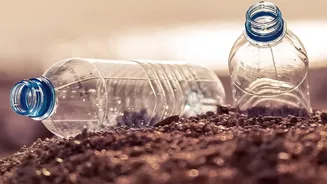
Microplastics are tiny plastic particles less than five millimetres long, originating from the breakdown of larger plastic waste, synthetic fibres from clothing, and tyre wear. Studies across India, from Nagpur to Goa, have confirmed their presence in rivers,
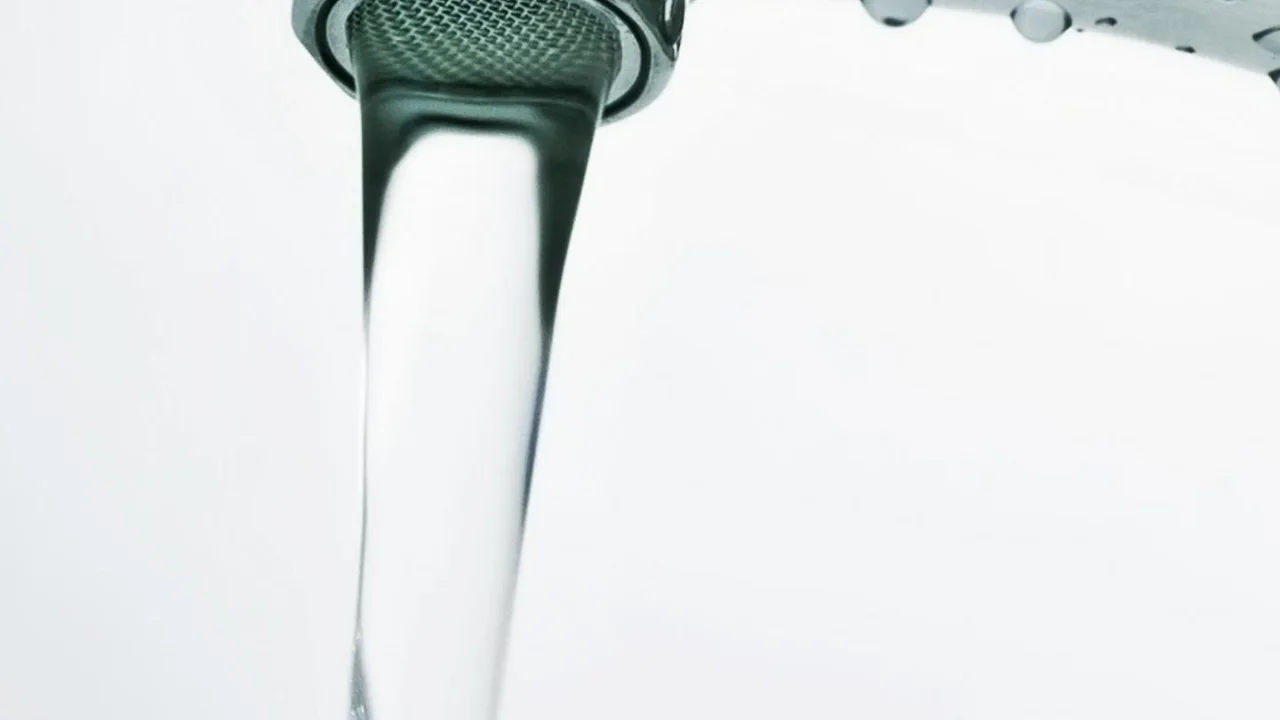
lakes, and even tap water and bottled water. While the full long-term health effects are still under investigation, these particles are a growing concern for public health and ecosystems. Conventional water treatment plants, while effective at removing many impurities, often struggle to filter out these minuscule plastic fragments completely, meaning they can end up in the water we drink every day.
What Exactly is Bio-char?
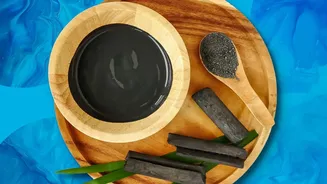
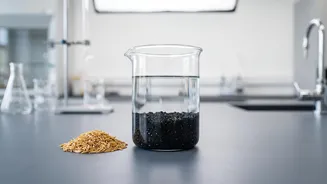
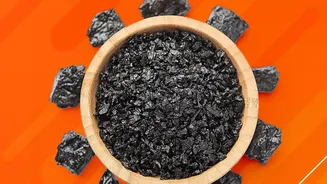
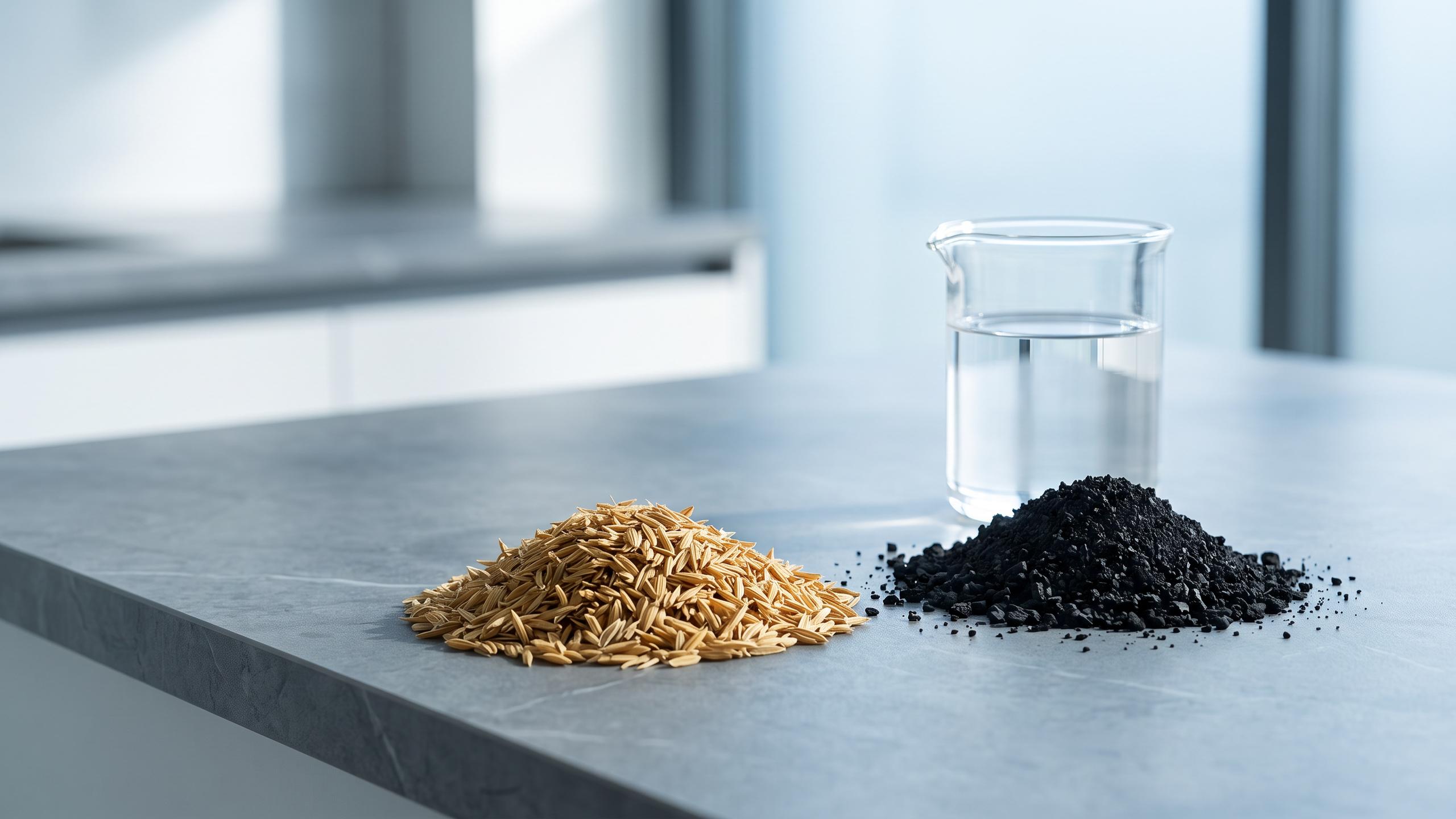
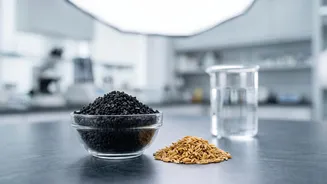
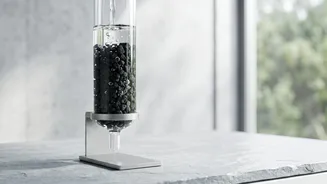
Bio-char is a stable, carbon-rich material that looks a lot like charcoal. It is produced by heating biomass—such as agricultural waste like wood chips, crop residues, or manure—in an oxygen-limited environment through a process called pyrolysis. This process transforms the waste into a lightweight, highly porous substance. For centuries, it has been used to improve soil fertility. Its incredibly large surface area, packed with microscopic pores, makes it act like a sponge, giving it the natural ability to trap and hold various substances, which is why scientists are now excited about its potential for water purification.
How Bio-char Captures Microplastics
The magic of bio-char lies in its complex structure and surface chemistry. When water containing microplastics passes through a bio-char filter, several mechanisms work together to clean it. Firstly, its porous, honeycomb-like structure physically traps larger plastic particles, acting as a microscopic sieve. Secondly, for the even smaller particles, the process of adsorption comes into play. Microplastics are drawn to and stick onto the bio-char's vast surface area through a combination of forces, including hydrophobic interactions (where water-repelling substances cluster together) and electrostatic attraction. Recent research also shows that bio-char doesn't just trap some pollutants; it can actively break them down through electron transfer, making it a more dynamic purifier than previously thought.
A Truly Environmental Solution
The "environmentally" aspect of this technology is one of its biggest advantages. Bio-char is often produced from waste materials that would otherwise be burned or sent to a landfill, contributing to a circular economy. The production process itself, pyrolysis, locks carbon into the solid bio-char material instead of releasing it into the atmosphere as carbon dioxide. This means using bio-char can be a carbon-negative process, helping to combat climate change while cleaning water. Unlike some chemical-heavy water treatment methods, bio-char provides a more natural, low-cost filtration solution that avoids adding other potentially harmful substances to the water supply.
The Future: From the Lab to Your Tap
While the science is promising, scaling up bio-char technology for large-scale urban water systems is the next frontier. Researchers are working on engineering and modifying bio-char to make it even more effective at targeting specific contaminants like microplastics. Combining bio-char with artificial intelligence is helping scientists design more efficient materials tailored for specific pollutants. Although it is not yet a standard feature in municipal treatment plants, its potential is clear. Challenges remain in standardising production and reducing costs for widespread implementation. However, for decentralised or rural systems, bio-char filters already offer a viable and affordable path to cleaner, safer drinking water.