



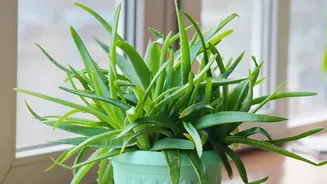

The Legend of the NASA Study
The idea that houseplants can scrub the air clean has its roots in a 1989 NASA study. Faced with the challenge of purifying air in sealed environments like space stations, researchers placed common houseplants in airtight chambers. They then introduced
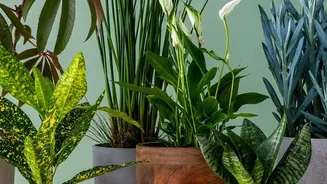
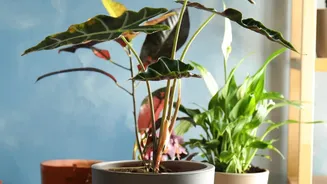
volatile organic compounds (VOCs) such as formaldehyde and benzene. The results were remarkable: after 24 hours, some plants had removed up to 70% of these pollutants. This study gave birth to the 'air-purifying plant' trend, with species like the Peace Lily, Snake Plant, and Spider Plant becoming household heroes. The findings were scientifically valid, but they came with a crucial piece of context that often gets lost.
Why Your Living Room Isn't a Space Station
The major issue with applying NASA's findings to your home is the difference in environment. The study was conducted in small, hermetically sealed chambers. Your home, by contrast, is a large, dynamic space with constant air exchange from doors, windows, and ventilation systems. Later analyses of the research concluded that to replicate the purifying effects seen in the lab, you would need a staggering number of plants—somewhere between 10 and 1,000 plants per square metre of floor space. That means a typical 1,500-square-foot home would require around 680 plants to make a noticeable impact on air quality. In reality, the natural ventilation of a building does far more to remove VOCs than a few potted plants can.
The Real Air Cleaners for Your Home
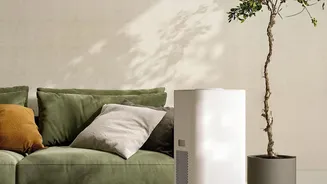
So, if a jungle-sized collection of plants isn't practical, what actually works? Improving indoor air quality largely comes down to three main strategies. First is ventilation: simply opening windows to allow fresh air to circulate and dilute indoor pollutants. Second is filtration: using high-efficiency particulate air (HEPA) filters or dedicated air purifiers, which are designed to trap particles and contaminants effectively. The third, and perhaps most important, is source control. This means reducing the number of pollutants you bring into your home in the first place by choosing low-VOC paints, furniture, and cleaning products. While plants do absorb some VOCs, their effect is too slow to compete with these other methods.
The Proven Psychological Perks of Plants
This doesn't mean you should give up on your green friends. The true, scientifically-backed benefits of houseplants are psychological, not atmospheric. Numerous studies have shown that the presence of indoor plants can significantly reduce stress and anxiety. Interacting with plants, even for just a few minutes, can induce feelings of calm and relaxation. This phenomenon is sometimes explained by the 'biophilia hypothesis', which suggests that humans have an innate tendency to connect with nature. Bringing plants indoors helps satisfy this connection, improving our mood, focus, and overall sense of well-being.
Choose Plants for Joy, Not a Job
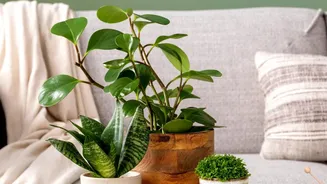
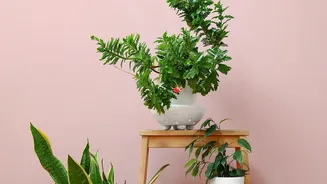
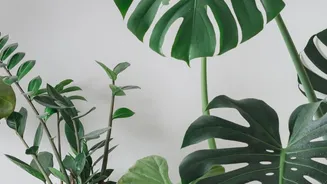
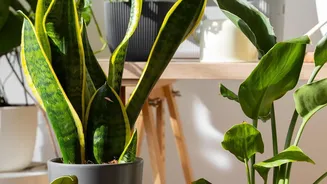
Instead of buying a plant for its supposed air-purifying resume, choose one that you find beautiful and enjoy caring for. The act of nurturing something and watching it grow provides a sense of purpose and connection. Popular and relatively easy-to-care-for plants in India include the Snake Plant (Sansevieria trifasciata), Money Plant (Epipremnum aureum), and ZZ Plant (Zamioculcas zamiifolia). These hardy varieties thrive indoors and add a touch of nature's tranquility to your space. They may not be working overtime to clean your air, but their ability to boost your mood and reduce stress is a powerful benefit in its own right.