

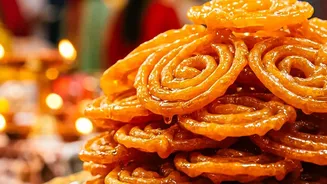
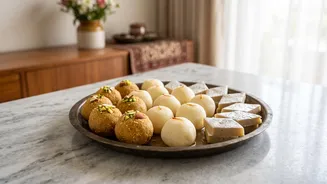
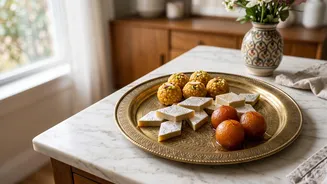
Why Adulteration Spikes During Festivals
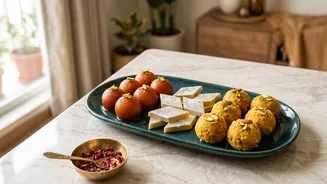
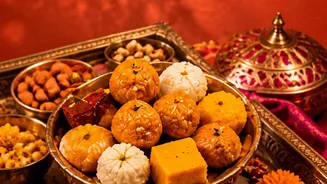
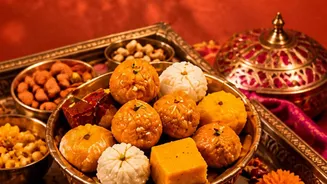
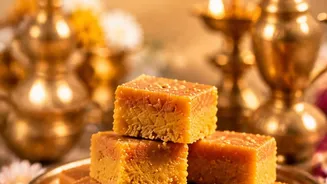
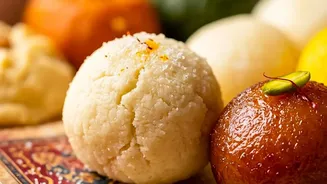
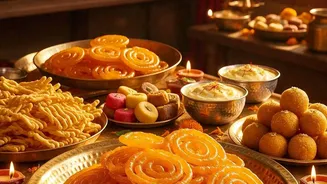
The demand for traditional sweets like barfi, peda, and laddoo skyrockets during Diwali. To meet this surge, some producers may take dangerous shortcuts to increase quantity and profit margins. Key ingredients such as khoya (milk solids), milk, ghee,
and silver foil (vark) are common targets for adulteration. Adulterants can range from relatively harmless starches to dangerous chemicals like detergents, non-permitted dyes, and urea, posing significant health risks from stomach ailments to long-term organ damage.
Testing Khoya and Milk-Based Sweets
Khoya, or mawa, is the foundation of many Indian sweets, making its purity crucial. A common adulterant is starch, added to mimic texture and increase weight. You can easily test for this at home. Take a small sample of the khoya or sweet, boil it in water, and let it cool. Then, add a drop or two of an iodine solution. If the mixture turns blue, it confirms the presence of starch. Another red flag is the presence of detergent, used to create a frothy, rich appearance in milk. If you dissolve a piece of a sweet in warm water and it becomes unusually cloudy or frothy, it might be adulterated.
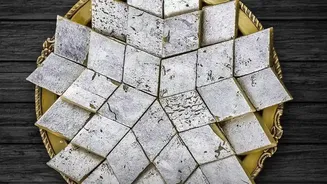
The Silver Vark Authenticity Check
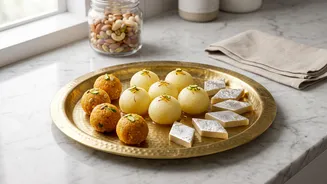
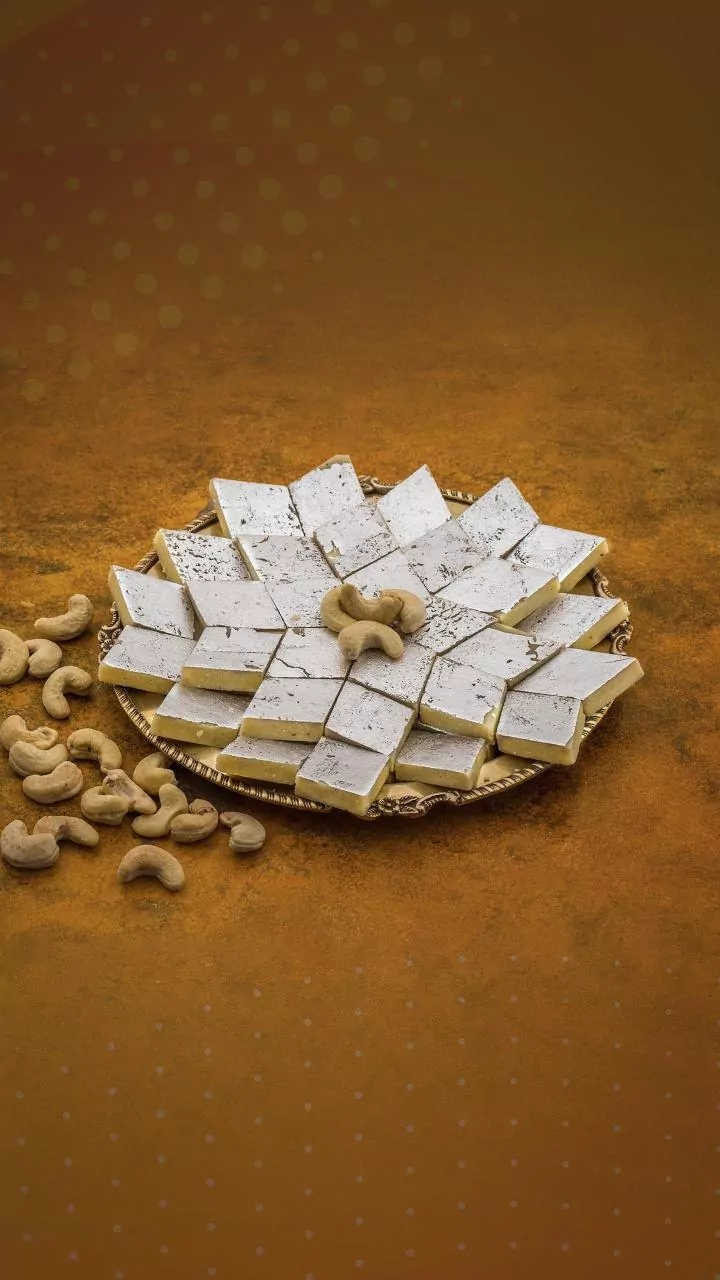
That beautiful silver sheen on your kaju katli might not be silver at all. Often, real edible silver vark is replaced with cheaper, toxic aluminium foil. Real silver vark is incredibly delicate; it should disintegrate into fine particles when you rub a small piece between your fingers. If it rolls into a ball or feels like a distinct particle, it's likely fake. Another simple test is to carefully scrape some foil from the sweet and place it over a flame. Pure silver will burn away and turn into a small ball of white ash, whereas aluminium will burn into a greyish-black ash.
Spotting Dangerous Artificial Colours
Vibrantly coloured sweets can be tempting, but they sometimes contain non-permitted industrial dyes like metanil yellow, which can be harmful. Food-grade colours are safe, but illegal dyes are used to cut costs. To test for these, place a small piece of the coloured sweet on a piece of wet blotting paper or a cotton ball soaked in warm water. If the colour leaches out and leaves a strong stain on the paper or cotton, it is likely an artificial dye. Natural, food-grade colours will typically leave a much lighter stain.
Simple Sensory and Smart Shopping Tips
Your senses are your first line of defence. Before buying, smell the sweets. A fresh product will have a pleasant, rich aroma, while stale or adulterated items might have a musty or slightly sour smell. Look at the texture and colour; avoid anything that looks unnaturally bright or has an oily or greasy appearance when it shouldn't. Most importantly, buy from reputable, licensed vendors. The Food Safety and Standard Authority of India (FSSAI) mandates that sweet shops must display the manufacturing date and 'Best Before Date' even for loose sweets. Checking for an FSSAI license provides an added layer of assurance.