






The Tech Is Finally Seamless
The core reason for the rapid adoption is that the technology just works—and works well. Early versions of beauty apps were clunky, offering little more than cartoonish filters. Today, advancements in artificial intelligence, augmented reality (AR), and computer
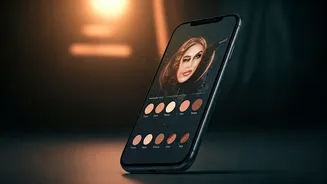
vision have made the experience hyper-realistic. Apps like YouCam Makeup and BeautyPlus use sophisticated algorithms to map facial landmarks with incredible precision. This allows for real-time, true-to-life virtual application of makeup, from foundation shades to intricate eyeshadow looks, that convincingly mimic reality. This technological leap has transformed the apps from a simple gimmick into a genuinely useful tool for both consumers and brands.
Personalization on a Massive Scale
Today’s consumers crave personalization, and AI is the engine that delivers it. Instead of a one-size-fits-all approach, AI beauty apps offer tailored experiences. Many apps now include AI-powered skin analysis tools that can detect issues like wrinkles, acne, and dark spots from a simple photo. Based on this analysis, the app can provide personalized skincare routines and product recommendations. This creates a powerful sense that the recommendations are informed and relevant. For many users, this level of customization was previously only available through expensive consultations. Now, it's accessible to anyone with a smartphone, fulfilling a huge consumer demand for products and advice tailored specifically to them.
The Ultimate E-Commerce Tool
Perhaps the biggest business driver is the integration of AI beauty apps with e-commerce. The age-old problem of online shopping for cosmetics—the inability to try before you buy—is solved by virtual try-on (VTO) technology. Major brands like L'Oréal and Sephora have embraced VTO, allowing customers to test dozens of lipstick shades or foundation matches from home. This dramatically increases buyer confidence and reduces hesitation. The results are powerful: brands report significantly higher engagement and conversion rates, with some seeing conversion rates up to 11 times higher and a major reduction in product returns. This makes investing in AI technology a clear win for beauty companies looking to boost their bottom line.
Social Media and the Curated Self
The influence of social media cannot be overstated. Platforms like Instagram and TikTok have created a culture where a curated digital appearance is the norm. AI beauty apps provide the tools to achieve this idealized self. Studies show that a high percentage of young people use filters to edit their photos, often citing pressure to look a certain way. While this has sparked important conversations about mental health and unrealistic beauty standards, it remains a powerful driver of app downloads and usage. The apps empower users to smooth skin, reshape features, and experiment with their appearance, becoming an integral part of how they present themselves to the world online.
More Than Just Makeup
The fastest-growing apps are expanding beyond simple photo editing and virtual makeup. The next frontier is a blend of beauty, wellness, and diagnostics. Advanced apps are now offering AI-powered hair color try-ons, AI-generated hairstyles, and even clothes-changer features. Some are moving into AI-driven skin analysis that borders on health tech, tracking skin changes over time and offering advice based on factors like UV exposure. Furthermore, AI is revolutionizing product development itself, with companies using it to analyze market trends, discover novel ingredients, and create more sustainable formulas. This evolution from a cosmetic tool to a holistic beauty and wellness advisor ensures these apps remain central to consumer routines.