





Start with a Plan, Not a Product
Before you buy a single bin or basket, the most crucial step is to assess your space and its purpose. Professional organizers advise starting with a clear vision. What do you want this shelf to do? Is it for everyday items or long-term storage? Empty
the entire shelf to see it with fresh eyes. This is the only way to honestly evaluate what you own and how it should be stored. As you take items off, group them into categories like 'keep,' 'donate,' or 'relocate.' This initial purge is essential; you can't organize clutter, and this step ensures you are only making space for things that truly serve a purpose.
Measure Twice, Organise Once
The phrase "correctly sized" is the most important part of the equation. An organizer that is too big is useless, and one that is too small creates more chaos. Grab a measuring tape and note three key dimensions for each shelf: the usable width, the full depth, and, most importantly, the vertical height. When shopping for organizers, especially online, these dimensions are your best friend. For closet shelves, check the depth and width to ensure dividers will fit snugly. For kitchen cabinets, knowing the height will tell you if a two-tier riser is a viable option. Proper measurements prevent the frustrating experience of bringing home a product that simply doesn't fit the space it was intended for.
Go Vertical with Shelf Risers
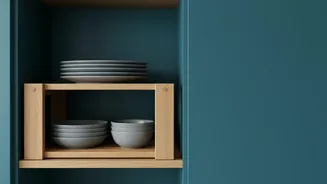
The most underused space on any shelf is the vertical air above short items. Think of a single layer of mugs or cans in a tall cabinet; all the space above them is wasted. Shelf risers are simple, often inexpensive additions that essentially create a second shelf. They can instantly double your storage for plates, bowls, and pantry goods by allowing you to stack items without creating unstable towers. Using risers makes everything more accessible; you no longer need to lift a heavy stack of dinner plates to get to the bowls underneath. These are particularly transformative in kitchen pantries and cabinets, allowing you to see and reach everything with ease.
Divide and Conquer the Clutter
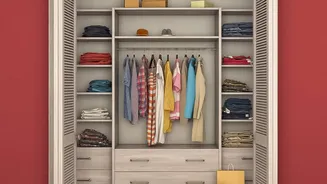
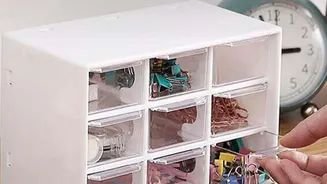
Shelves without dividers can quickly descend into chaos. Folded sweaters merge into one messy pile, and purses topple over. Shelf dividers are a simple, often tool-free solution. Many modern dividers use tension or clip-on mechanisms to grip existing shelves without causing damage, making them perfect for renters. In the closet, place dividers every 12 to 16 inches to create dedicated 'cubbies' for different categories of clothing, like jumpers, trousers, or linens. In the pantry, they can stop cans and boxes from sliding around. For smaller items, use clear bins or baskets. This strategy of grouping 'like with like' creates visual order and makes it much easier to find what you need quickly.
Choose Specialised Tools for Problem Areas
Some areas require more specific solutions. For spices that get lost in deep cabinets, consider tiered acrylic risers or pull-out racks that make every label visible. For that awkward, pipe-filled space under the sink, an expandable U-shaped organizer can be adjusted to fit around plumbing, creating two levels of usable storage. In the wardrobe, shelf dividers designed for handbags can keep them upright and accessible. And in bookcases, using decorative boxes or magazine files can help corral smaller, less visually appealing items like papers and odds and ends, keeping the overall look clean and intentional. The key is to match the tool to the specific storage challenge.