





The Social Media Phenomenon
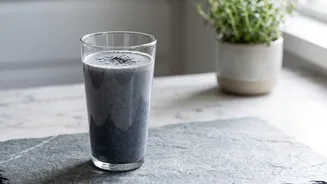
Social media has a knack for turning niche health foods into mainstream conversations overnight. The latest concoction to capture public curiosity is 'black milk'. While the name might sound strange, its striking appearance makes it perfect for a viral
post. The trend is often linked to celebrities who champion alternative wellness and fitness, like actress Adah Sharma. As a proud vegan who often discusses her food choices, she represents the type of public figure whose diet fascinates followers. This curiosity drives trends, prompting many to ask: what exactly is this mysterious black milk, and should I be drinking it?
Decoding Black Milk: Two Main Types
The term 'black milk' doesn't refer to just one specific drink. It generally describes two popular, yet very different, beverages. The first, and more nutritionally dense option, is Black Sesame Milk. Made by blending black sesame seeds with water, it has a rich, nutty flavour. The second, made for visual appeal, is Activated Charcoal Milk. This is typically a plant-based milk, like almond or oat, mixed with a small amount of activated charcoal powder, which gives it a deep black colour. While they may look similar, their properties and effects on the body are worlds apart.
The Case for Black Sesame Milk
Black sesame milk is a nutritional powerhouse. For centuries, black sesame seeds have been used in traditional Chinese medicine to nourish the body. They are exceptionally rich in calcium, containing significantly more than dairy milk per serving, making it an excellent choice for bone health. They are also a great source of iron, magnesium, healthy fats, and antioxidants. Proponents claim it can improve skin health, aid digestion, and even help manage stress due to its magnesium content. With a naturally creamy texture and nutty taste, it serves as a robust and beneficial alternative to traditional dairy.
The Controversy Around Activated Charcoal
Activated charcoal is the ingredient that gives many 'goth' or black-coloured foods their signature look. It's often marketed with 'detox' claims, based on its medical use in treating certain types of poisonings and overdoses. The theory is that its porous surface binds to toxins and impurities, helping to flush them from the body. However, health experts issue strong warnings against consuming it casually. Activated charcoal is non-discriminatory; it can bind not only to unwanted substances but also to essential nutrients, vitamins, and medications, preventing their absorption. If you take any prescription medication, including birth control, consuming activated charcoal can render it ineffective.
What the Experts Say
Nutritionists are generally enthusiastic about black sesame milk as a healthy addition to a balanced diet. Its nutrient profile speaks for itself, offering tangible benefits without significant risk. However, the consensus on activated charcoal milk is far more cautious. Health professionals warn that regular consumption could lead to nutrient deficiencies and constipation. The Association of Food and Drug Officials in the US has even raised safety concerns about its use in foods and drinks. The primary risk lies in its potential to interfere with life-sustaining medications. The 'detox' benefits for an average person are largely unproven and overshadowed by these potential dangers. It is advised to consume it on an empty stomach, at least two hours apart from any medications or vitamins.